Snapchat scams often start with something that looks harmless and something that you could encounter all the time. A new friend request, a message from a “support” account, a flirtatious chat, or a link that claims you need to verify your login can all turn into account theft, money loss, or blackmail. If you’ve ever experienced any of the issues and are feeling concerned, this article explains what you should do!
Quick Summary
Yes, and they follow a few familiar patterns, just like Instagram and WhatsApp scams.
Some want your account. Some want your money. Some want leverage over you, usually through private photos, fake romance, or threats. Compromised accounts often show signs like unknown logins, changed phone numbers or email addresses, spam sent from your account, new contacts added without permission, or stories posted that you did not upload.
The hard part is that many common Snapchat scams do not stay inside Snapchat. They move you to a fake shop, a fake Snapchat for Web login page, a fake recovery service, or a payment request through gift cards, bank apps, or crypto.
That is where a tool like ScamAdviser becomes useful. It cannot verify whether a private Snapchat account is real, but it can help you check suspicious websites, online shops, and payment pages before you trust them.
A fake Snapchat account can look real in seconds. It may have a friendly Bitmoji, casual selfies, fast replies, and a story that sounds believable. In romance-style scams and meetup scams, the other person often tries to move the conversation quickly, build closeness fast, and then ask for money, photos, or off-platform contact.
According to the FTC, romance scammers build trust first and then ask for money, often with urgent stories about travel, emergencies, or fees.
Some scams also borrow the language of official support, as we also previously covered in our Facebook scams piece. A fake Snapchat Support message may warn that your account is at risk, tell you to “verify” something, or ask for a code. Snapchat will never ask you for your passwordso these messages should be treated as a warning.
The most common Snapchat scams usually fall into ten buckets.
This is one of the oldest and most effective tricks. Someone claims they accidentally used your number, need help getting into an account, or need you to send a verification code “just once.” If you send that code, you may hand over your own account.
We’ve seen and received plenty of reports around login code scams in the past. You would only receive your login code, not anyone else’s. Also, you are the only person who needs the login code, not even the Snapchat support!
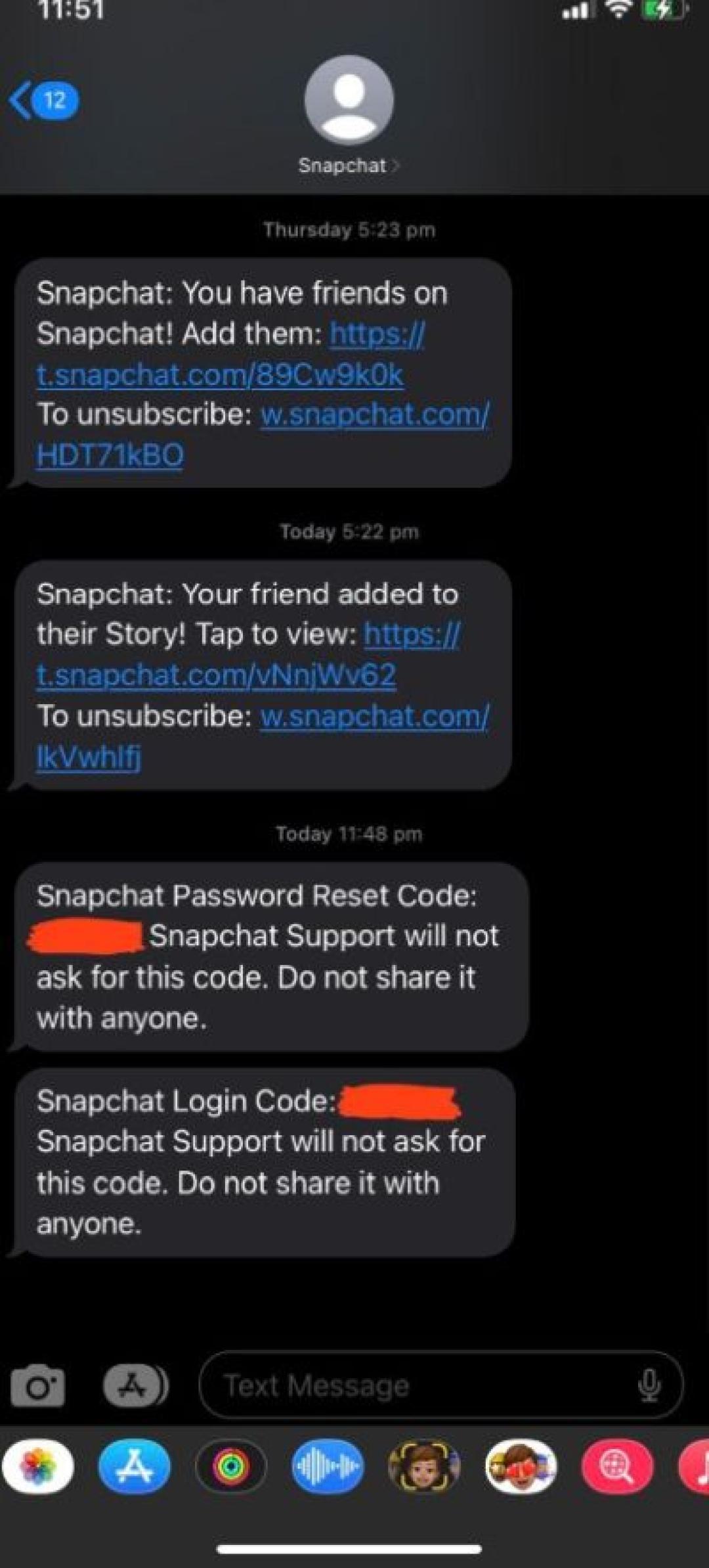
It might be hard to recognize some of these messages (Image Credit: Reddit)
A fake support account contacts you first. It says your account will be deleted, locked, or reviewed unless you verify it. Then it asks for your password, a reset code, or a login through a fake page.
Snapchat says the fastest way to report suspicious accounts is in the app, and real support does not need your password to help you.
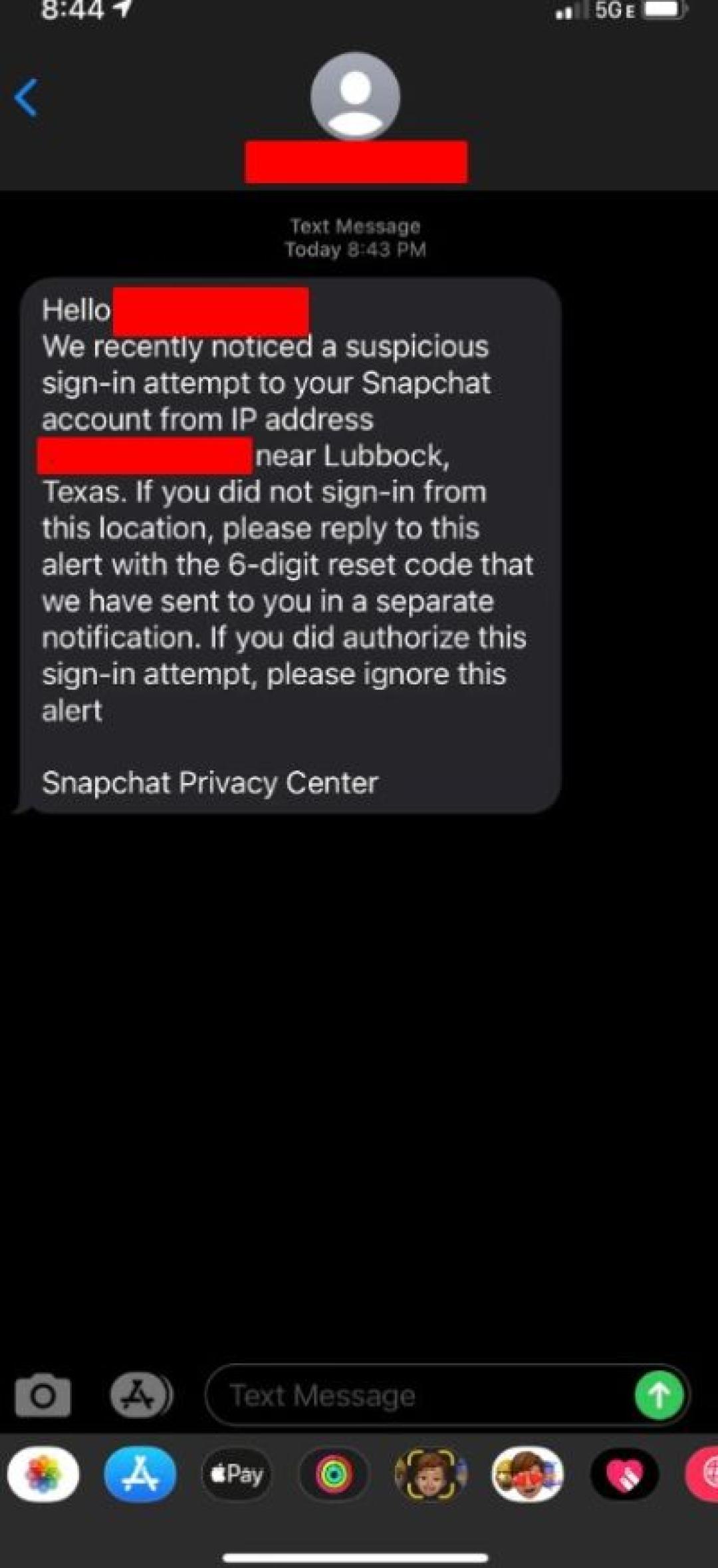
There are certain indicators when Snapchat support reaches you, such as an official domain (Image Credit: Reddit)
“Snapchat for web scams” usually involve phishing, which means a fake page tries to steal your login. The page may copy the look of the official web login and arrive through a link in chat, email, or text.
Once you type your details, the attacker tries to log in and trigger a real code to your phone or email. If they succeed, it may be too late to recover your account after that point. Always keep your eyes open! These links and messages might look very real, and that is what most of the users of ScamAdviser fall for, according to the reports we get.
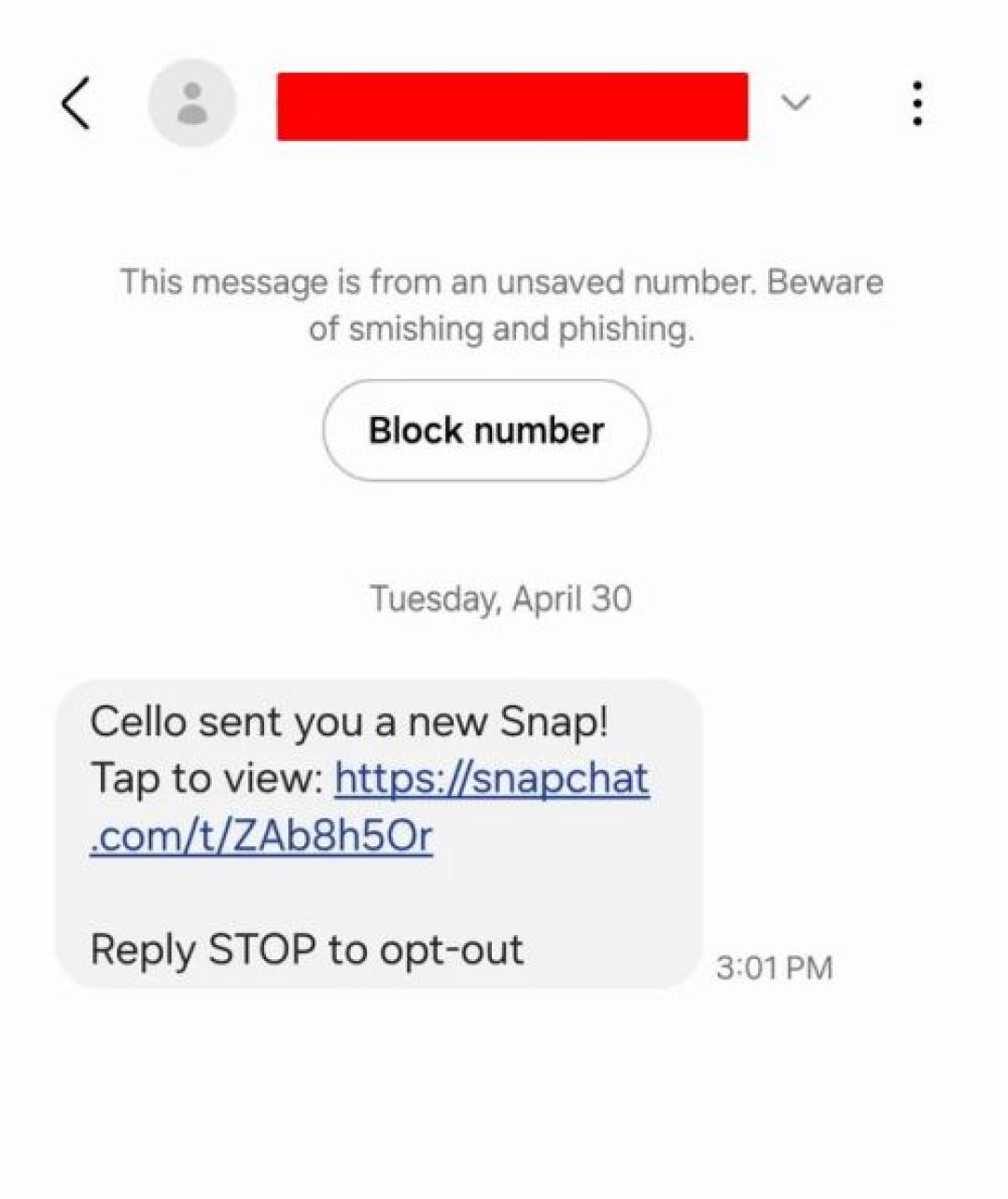
You would never get a message as seen above. Keep those eyes open at all times! (Image Credit: Reddit)
These scams target people who already lost access to an account. A stranger on Snapchat, Telegram, Reddit, or another platform claims they can recover your Snap account for a fee.
They take the money, ask for more money, or ask for your login details and email access. That makes the damage worse. Never, ever trust anyone to recover an account. Always stay in touch with Snapchat officials.
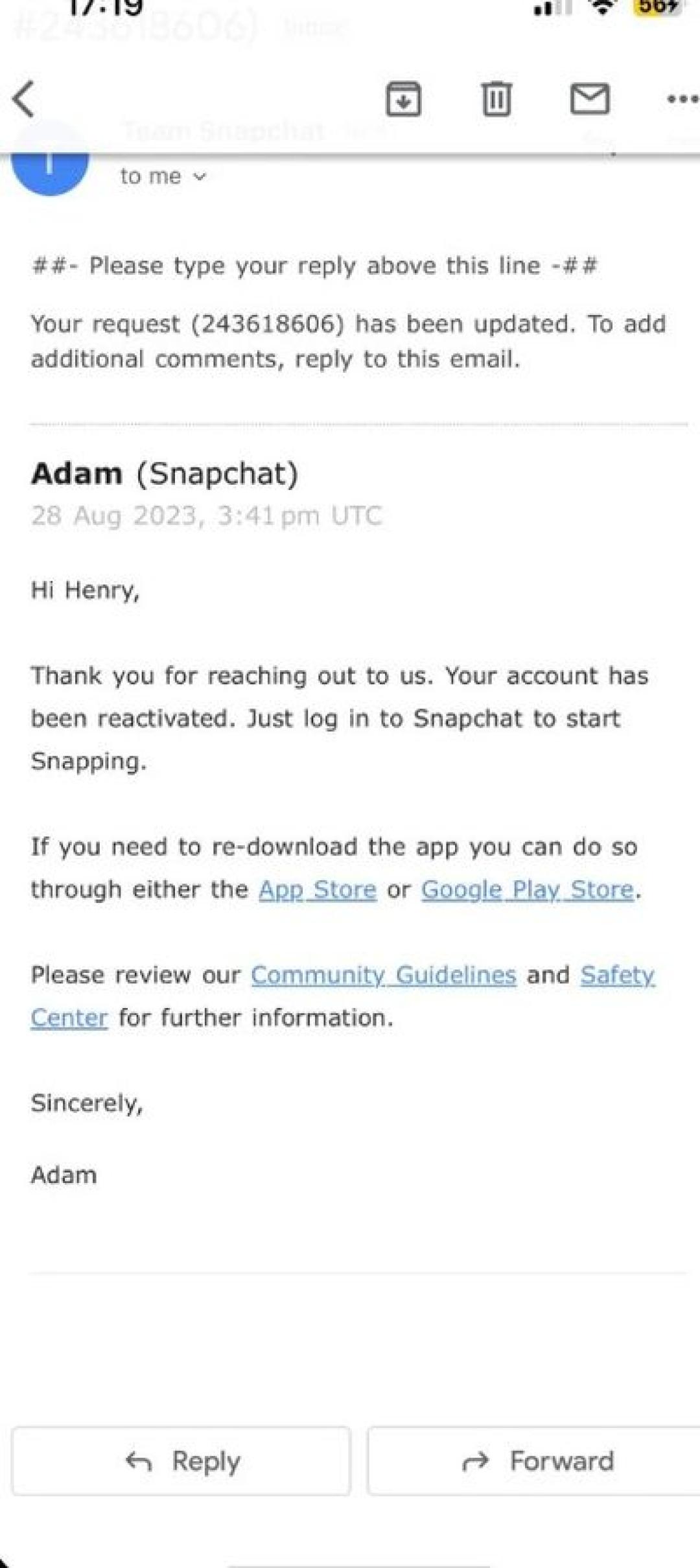
Talk to the Snapchat official support and see if there is a way to get your account back. There are many examples that this works! (Image Credit: Reddit)
This is the most serious category. It often starts with flirting, casual sexting on Snap, or fake trust. Then the other person threatens to send screenshots or saved content to your friends or family unless you pay.
According to a survey by Snapchat, in 2023, 65% of Gen Z teens and young adults, across all platforms and devices, said they or their friends had been targeted in catfishing scams or had explicit imagery or private information stolen and then used for threats or blackmail.
The FBI shared that sextortion can start on any app or platform where people meet and communicate, and it has seen a huge increase in cases involving children and teens being threatened and coerced into sending explicit images online.
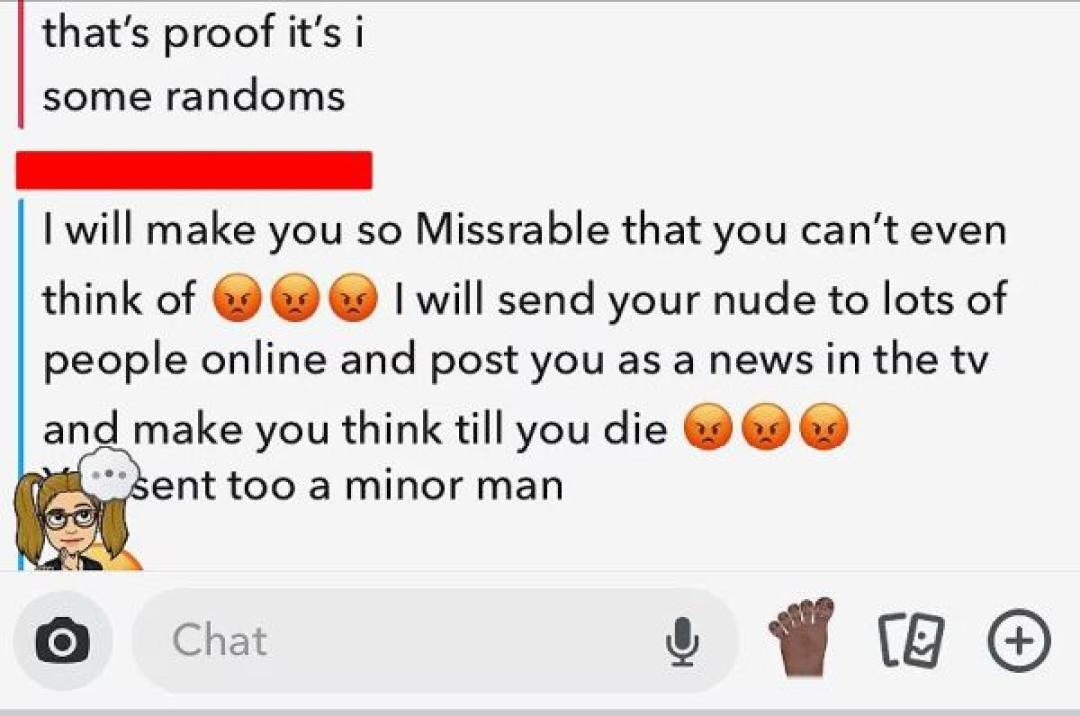
This is really serious and could cause real harm to people (Image Credit: ABC News)
Are Snapchat meetups scams? Not always. But many are, especially some like Tinder Snapchat scams, where users meet on Tinder and move to Snapchat to chat.
A meetup becomes risky when the other person refuses a normal video call, keeps changing plans, pushes intimacy too fast, asks for travel money, or starts the conversation on a dating app and moves it to Snapchat right away. Check out more of our romance dating scam pieces!
We advise doing a reverse image search of a profile picture. If the photo appears under another name, or in details that do not match the story, that is a strong red flag. Because many of the pictures that they find online are already in-use. If it is an AI-generated image, you may not be able to find it by reverse searching, but just look at the image carefully to see if there are any anomalies.
These scams sell easy money. You may see “send $50 and get $500 back,” “sugar daddy weekly allowance,” or “I just need a small fee to release your payment.” The goal is simple: get you to send money first, then disappear or ask for more.
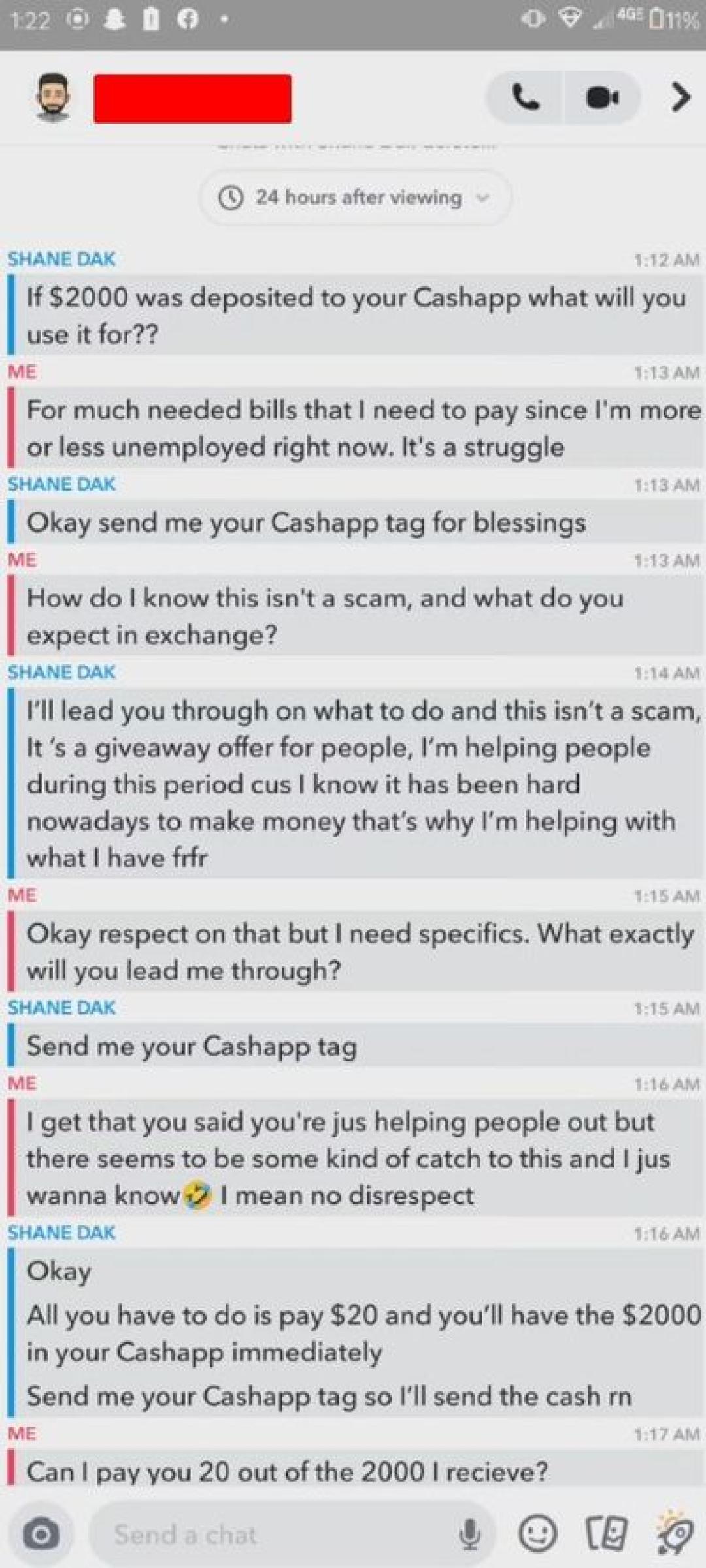
Keep this in mind: No one will send you money out of nowhere on the internet! Image Credit: Reddit
A fake friend, fake date, or fake authority figure says there is an urgent problem and you need to buy gift cards. Only scammers tell people to buy a gift card and send the numbers and PIN. No real business or government agency will ask you to pay that way.
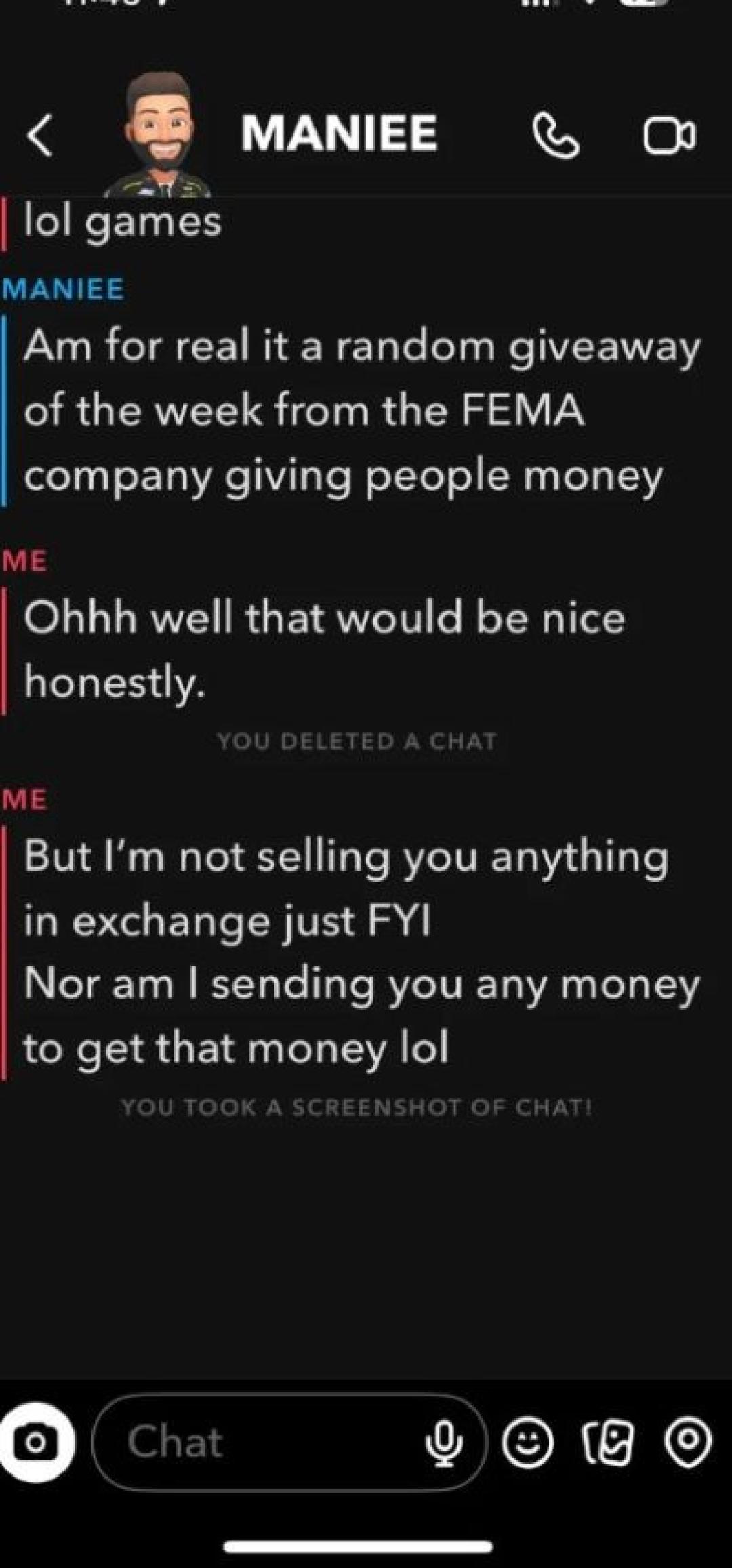
Some scammers act like government agencies, like FEMA, as seen in the image above (Image Credit: Reddit)
Some common Snapchat scams happen through ads, stories, or private seller chats. You click through to a shop with huge discounts, buy a ticket, pay for sneakers or electronics, and get nothing.
This is where ScamAdviser can help most. If a Snapchat seller sends you to a website, check the domain, trust signals, payment methods, and contact details before you pay. If the page looks like one of the fake shopping websites we often warn about, step away.
Check out how our Trust Score system works!
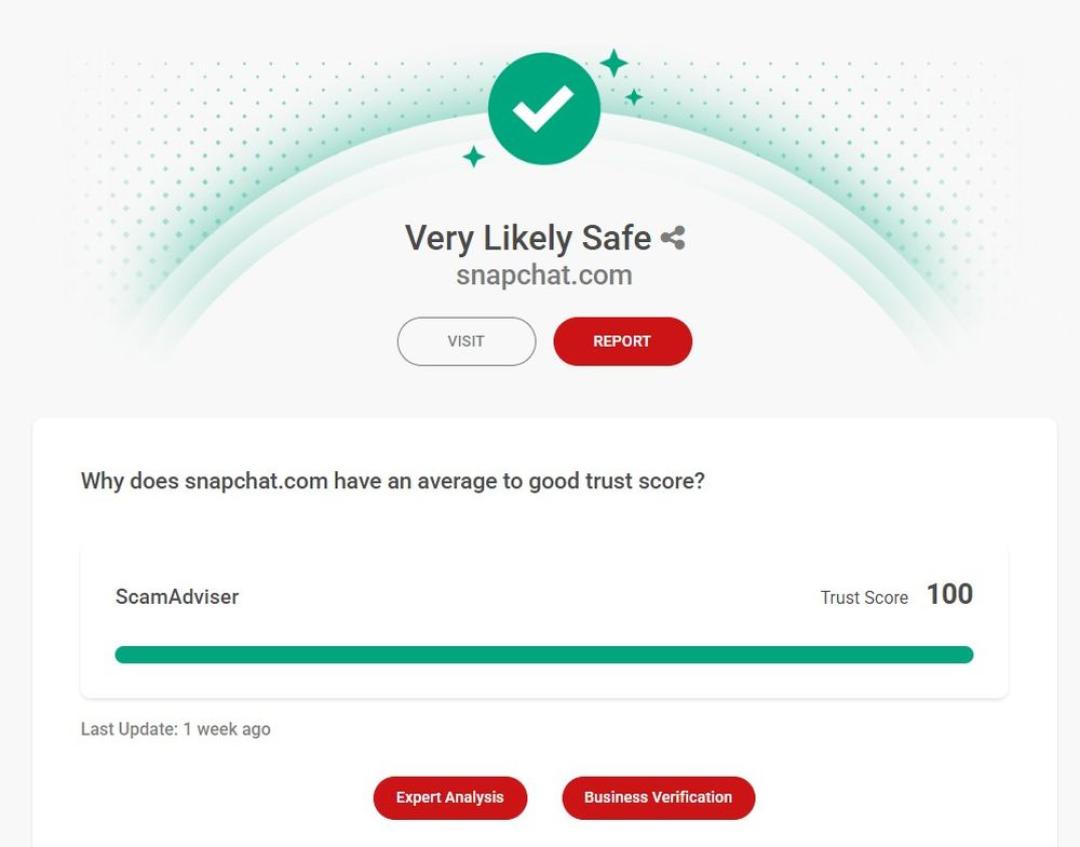
You can search for websites on the ScamAdviser homepage and have a better understanding thanks to our Trust Score, which is dynamic and uses 40+ indicators (Image Credit: ScamAdviser)
Job scams now travel through social messaging too. A fake recruiter offers remote work, “easy daily income,” or influencer tasks, then asks for your Social Security number, bank details, or payment for equipment.
In our experience and the reports that we receive, fake recruiters use official-looking messages and may ask for your driver’s license, Social Security number, or bank account number as “employment paperwork” before they even answer basic questions about the job.
The Social Security Administration also warns that scammers impersonate SSA through calls, texts, emails, websites, and social media messages to obtain personal information or money.
The warning signs are usually easier to spot once you slow down. So before everything else, don’t act too quickly and just take a second look when necessary.
Here are 10 red flags that show up in many Snapchat scams:
A Snapchat scam usually targets one of four things: your account, your money, your privacy, or your identity.
The safest move is to treat every suspicious Snapchat request as part of a wider chain. A message, link, payment request, and threat may look separate, but they often belong to the same scam.
The right reporting path depends on what the scammer tried to do.
To recognize a scam, use a 10-second pause before you reply, click, pay, or send anything private. Ask yourself these five questions:
Are there scams on Snapchat?
Yes, Snapchat scams are common and usually involve account theft, fake support, blackmail, fake jobs, fake shops, or payment fraud.
How do Snapchat scams work?
They usually build trust first, then push you to share a code, click a link, send money, or hand over personal information.
How do you report scams on Snapchat?
Press and hold the account, chat, story, or Snap in the app and tap “Report,” which Snapchat says is the fastest reporting method.
Are Snapchat meetups scams?
Not all meetups are scams, but if the person refuses verification, asks for money, or rushes intimacy, you should treat it as high risk.
What scams are on Snapchat?
The most common Snapchat scams include login code theft, fake Snapchat Support, Snapchat for Web phishing, blackmail, sextortion, fake jobs, fake meetups, money-flip schemes, fake giveaways, and fake shops.
Jamie James is an alias of an experienced technology writer whose pieces and reviews appeared in various media outlets, such as CNET, Softonic, gHacks, and more. He has been covering technology news, evergreen guides, and pieces on how to stay safe online for many years.