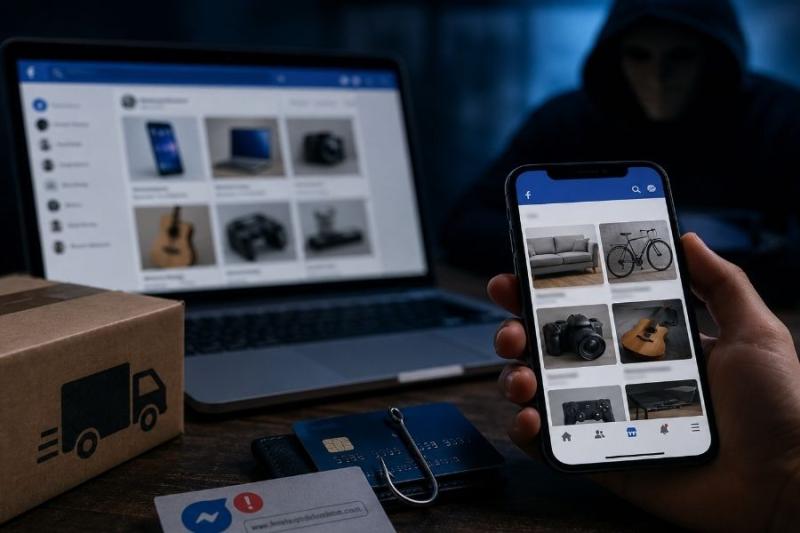
Facebook scams now move across Marketplace listings, paid ads, Messenger chats, groups, Pages, and fake profiles. Even though the platform looks like it has lost its popularity, it is still a hub for many people around the world, which automatically makes it an attraction for scammers.
That does not mean every Facebook ad, seller, buyer, or message is dangerous. It means you need a better filter before you click a link, send money through Cash App, share a Facebook login code, or trust a deal from a profile you do not really know. In this piece, we explain what Facebook scams are with various examples that you should be aware of, what to do after falling for one, how to report them, and more!
Quick Summary
Facebook scams are fake posts, messages, ads, profiles, Pages, groups, or Marketplace listings created to steal money, account access, personal details, or payment information.
Facebook’s own Help Center guide on avoiding scams tells users to slow down, check the story, and avoid sending money or personal details when something feels rushed or suspicious.
The scale is pretty large. According to the FTC, people reported losing $2.1 billion to scams that started on social media in 2025, and Facebook produced more reported losses than any other social platform.
Meta removed more than 159 million scam ads in 2025 and took down 10.9 million Facebook and Instagram accounts linked to criminal scam centers. That shows how active scam operations have become across major social platforms. Is that enough, though? Well, we will never know!
Normally, Facebook is a safe website. Just like Instagram scams, Facebook scams often begin with trust, urgency, or a deal that seems too good to be true.
Most of the time, you would see the same pattern. The scammer asks you to click a link, leave Facebook, pay quickly, share a code, or trust a story that cannot be checked.
When a normal conversation gives you the feeling that the person is pressuring you, pause for a second. Real buyers, sellers, brands, charities, and friends can wait while you verify the details.
So, the issue is not with the platform, as seen in the image below Facebook has a 100 Trust Score according to our parameters; the issue is created by scammers who use the platform.
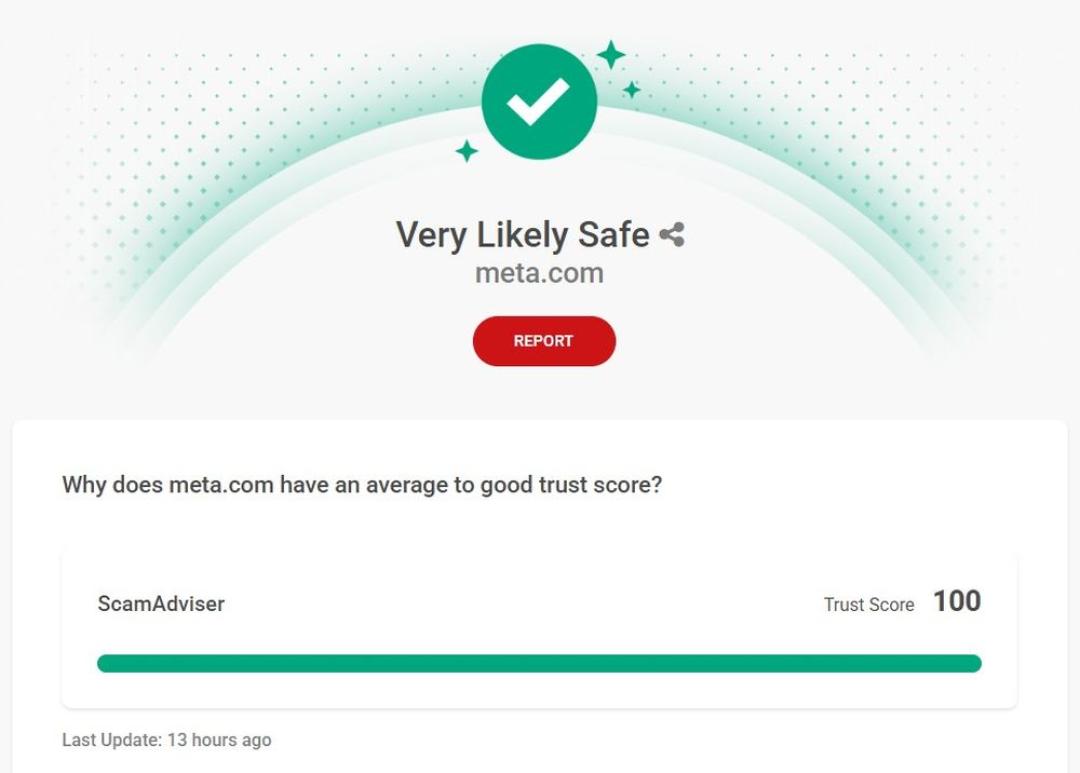
Facebook belongs to Meta, hence the score is on Meta.com (Image Credit: ScamAdviser)
While there are quite a few different types of Facebook scams that you might face, here are 14 that you may have encountered or might encounter in the future:
You know what people say: “When something looks too good to be true, it usually is.” Facebook Marketplace scams often start with a deal that feels hard to ignore. So, too good to be true.
The listing may show a cheap phone, laptop, car, sofa, rental home, ticket, pet, or game console. The seller may ask for a deposit to “hold” the item, then disappear after payment.
Check the seller’s Facebook profile, listing history, reviews, photos, and location. If the price is far below the normal market value, ask why before you pay.
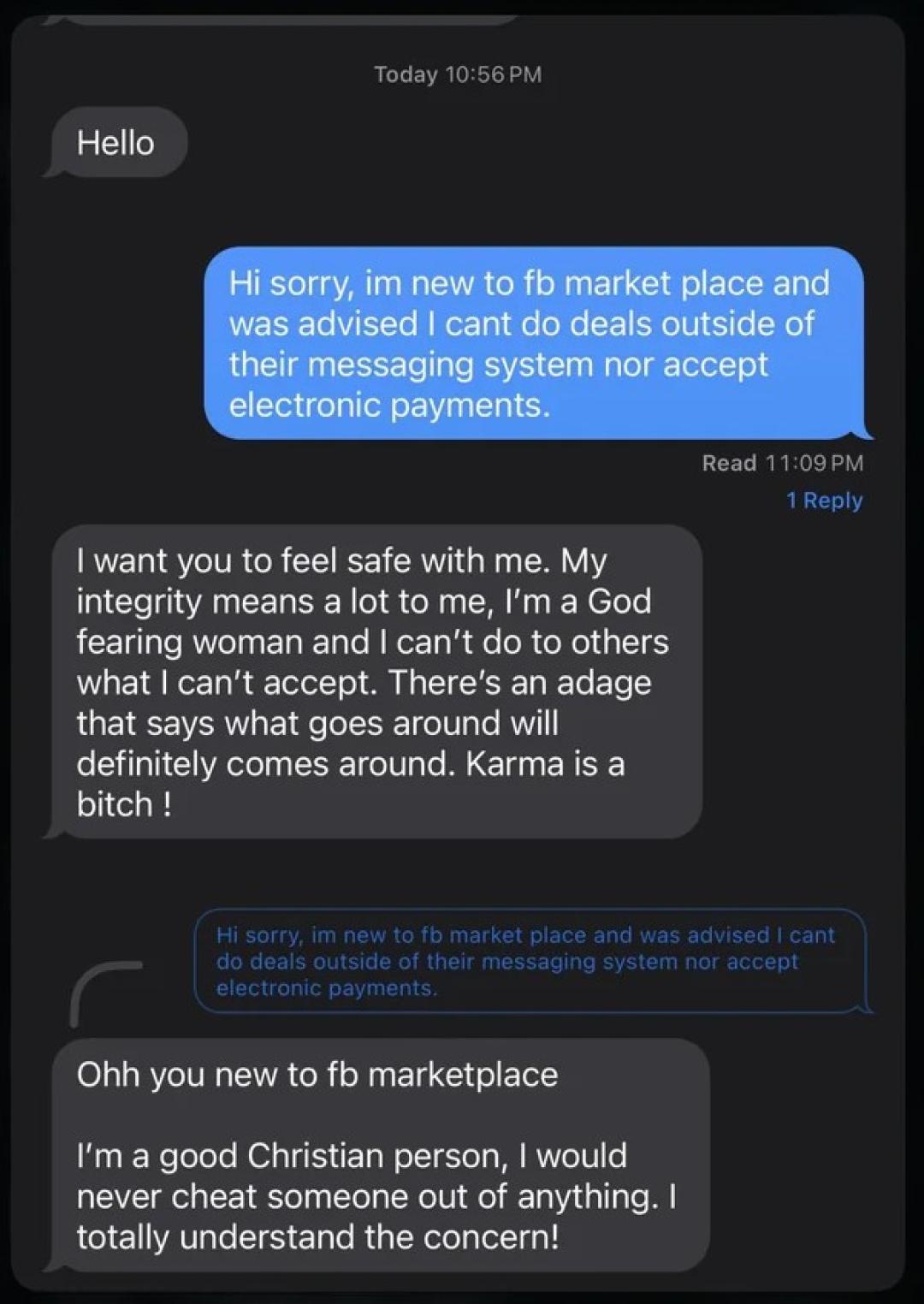
Image Credit: Reddit
This scam targets sellers on Facebook Marketplace, and they usually blame the payment company or the service.
A buyer says they already paid and sends a screenshot, a fake email, or a payment notice. The message may pretend to come from PayPal, Zelle, Cash App, Venmo, a bank, or a delivery company.
Do not hand over the item because of a screenshot. Open your own bank or payment app and confirm that the money is in your account.
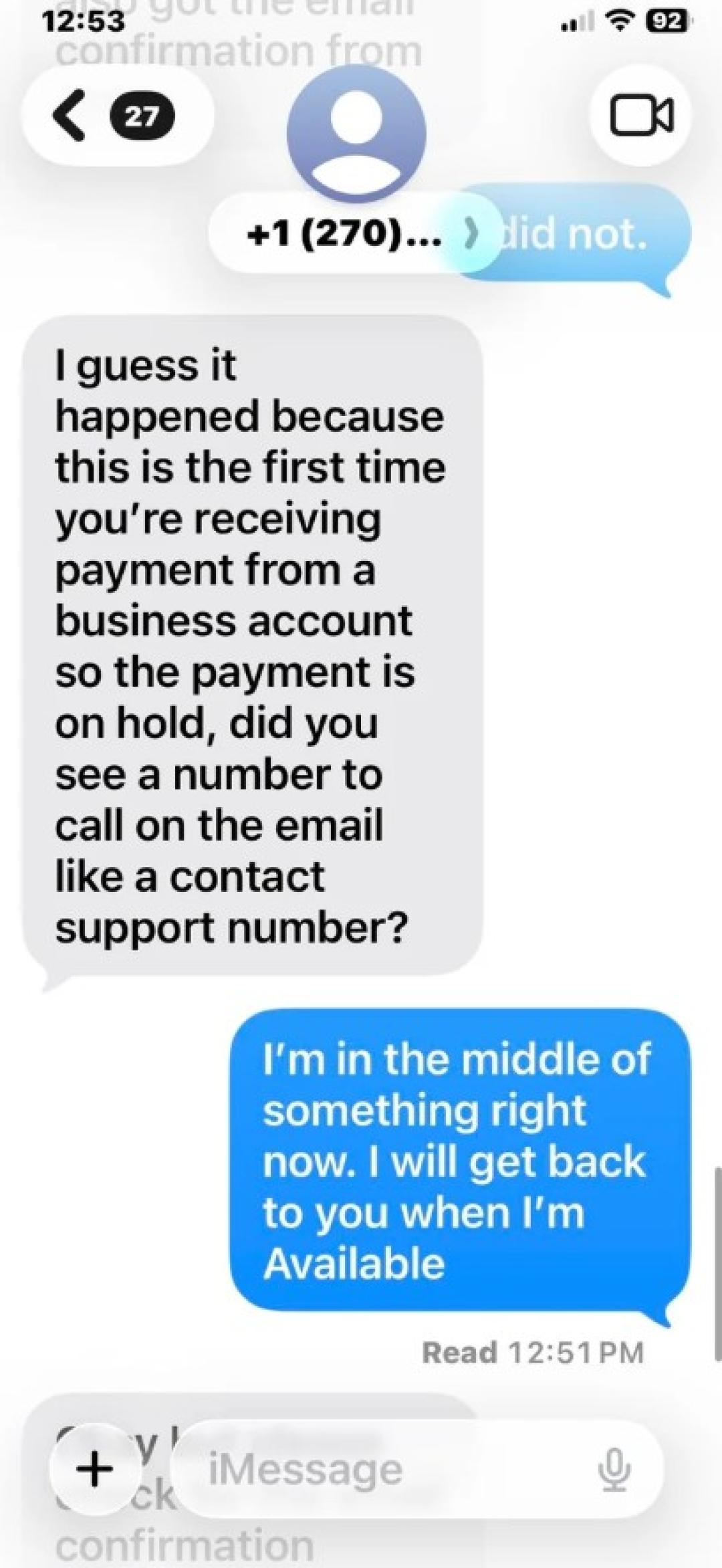
Image Credit: Reddit
In an overpayment scam, the buyer claims they sent too much money and asks you to return the extra amount.
The first payment may be fake, stolen, or reversible. If you send money back, you may lose your own funds while the original payment fails or gets reversed.
Cancel the deal and ask the buyer to pay the correct amount through a trusted method. Never refund money you cannot verify in your own account.
Some scams on Facebook Marketplace use fake courier links
The buyer says a delivery company will collect the item and manage payment. Then they send a link that asks for card details, bank details, or login information.
Real delivery companies do not need your banking password to collect a second-hand item. If a buyer sends a strange courier payment link, stop the deal and report the profile.
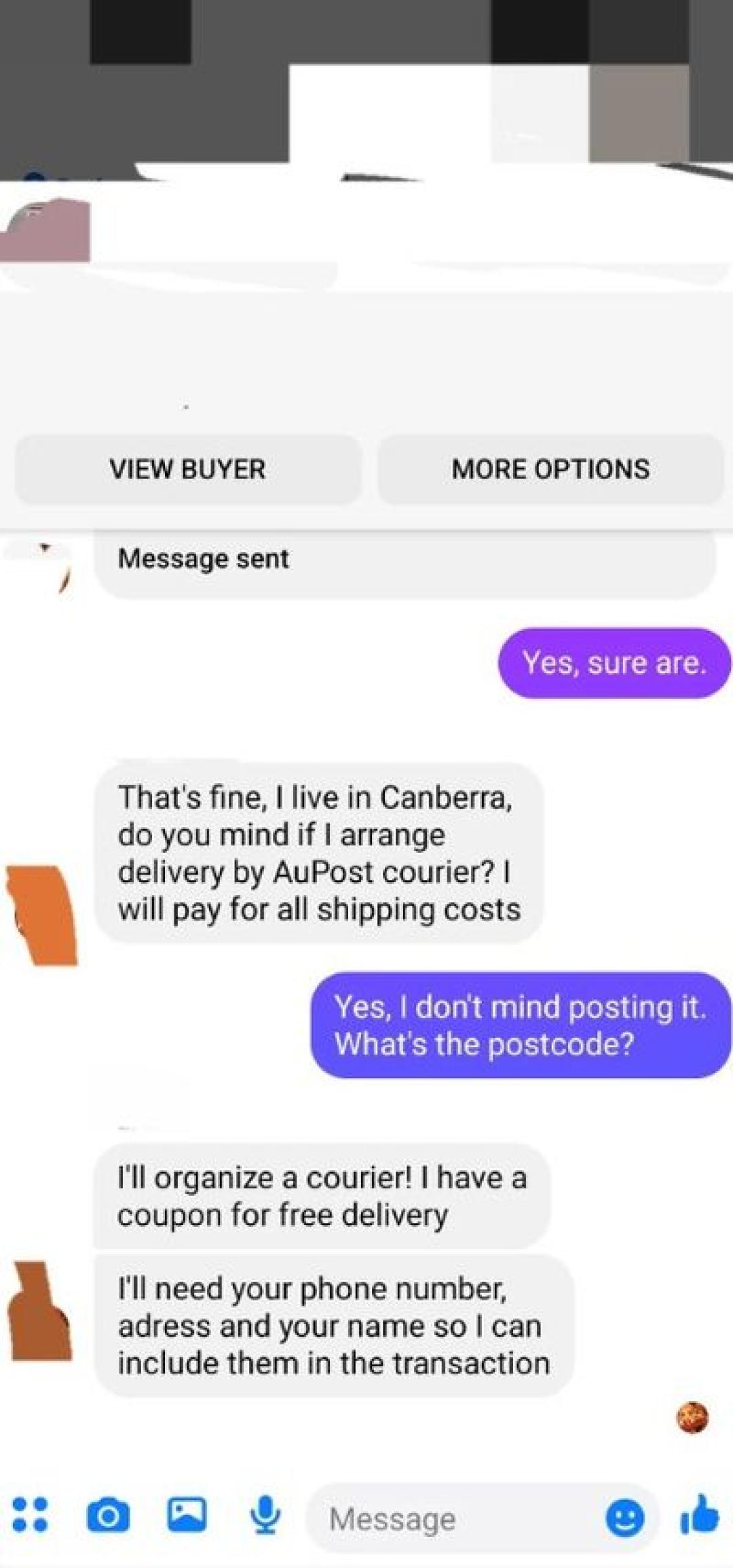
Image Credit: Reddit
This is a very classic scam that has been going on for many years now. It usually creates panic, and the user clicks on the link sent.
You receive a Messenger message that says, “Is this you in this video?” or “Look what they posted about you.” The link opens a fake login page that steals your Facebook username and password.
The message may come from a real friend’s account because someone already hacked it. Contact the person through another channel before you click. This is a really old trick.
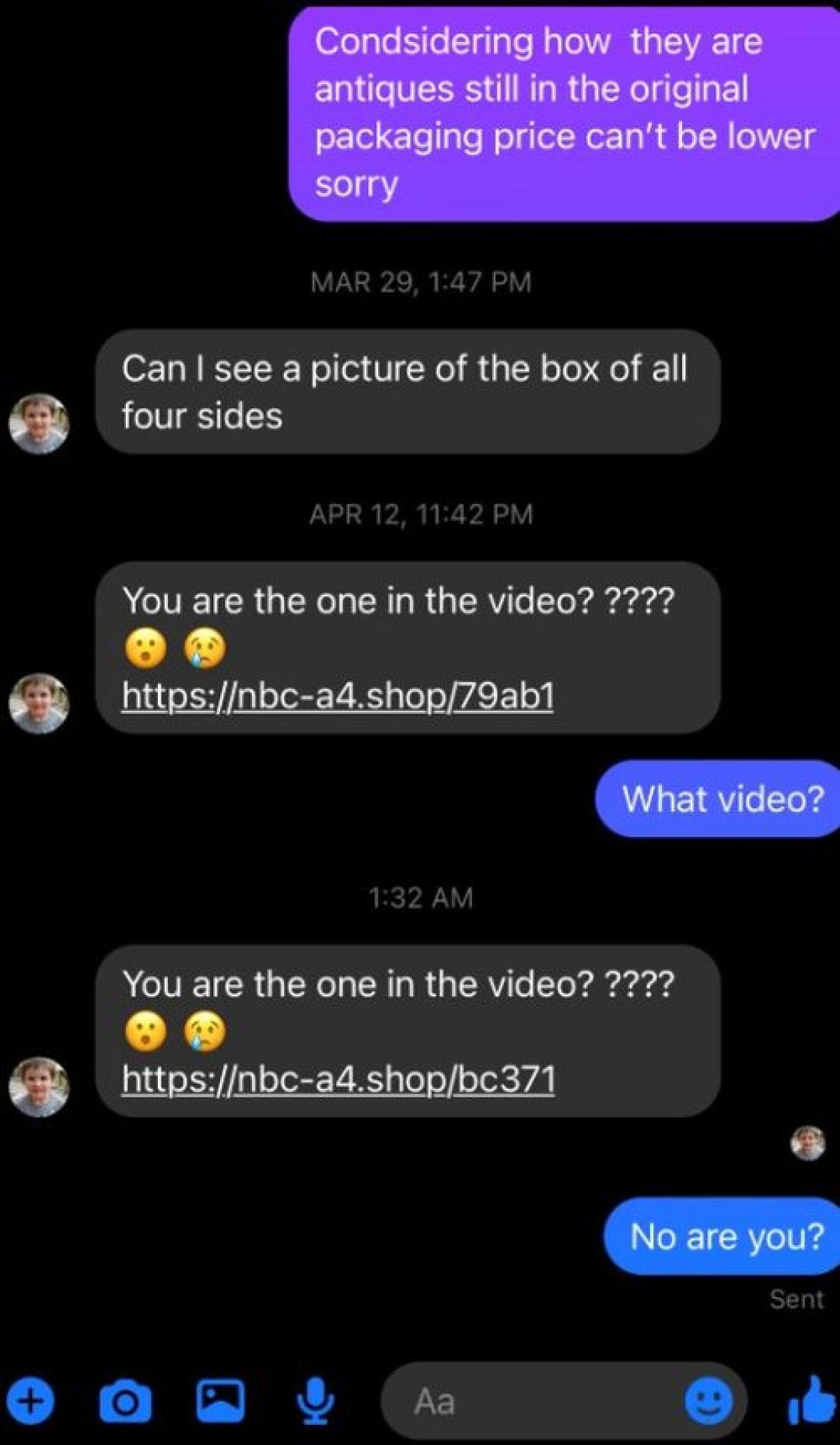
Image Credit: Reddit
A login code scam tries to take control of your account by making it feel like you are helping the person.
Someone may say they need your code to confirm a Marketplace deal, prove you are real, recover their own account, or finish a payment. That code may let them access your Facebook profile, and it has nothing to do with them accessing their own account. Just think: Why would you have that code in the first place?
Never share a Facebook login code with anyone. No buyer, seller, friend, recruiter, or support agent needs it.
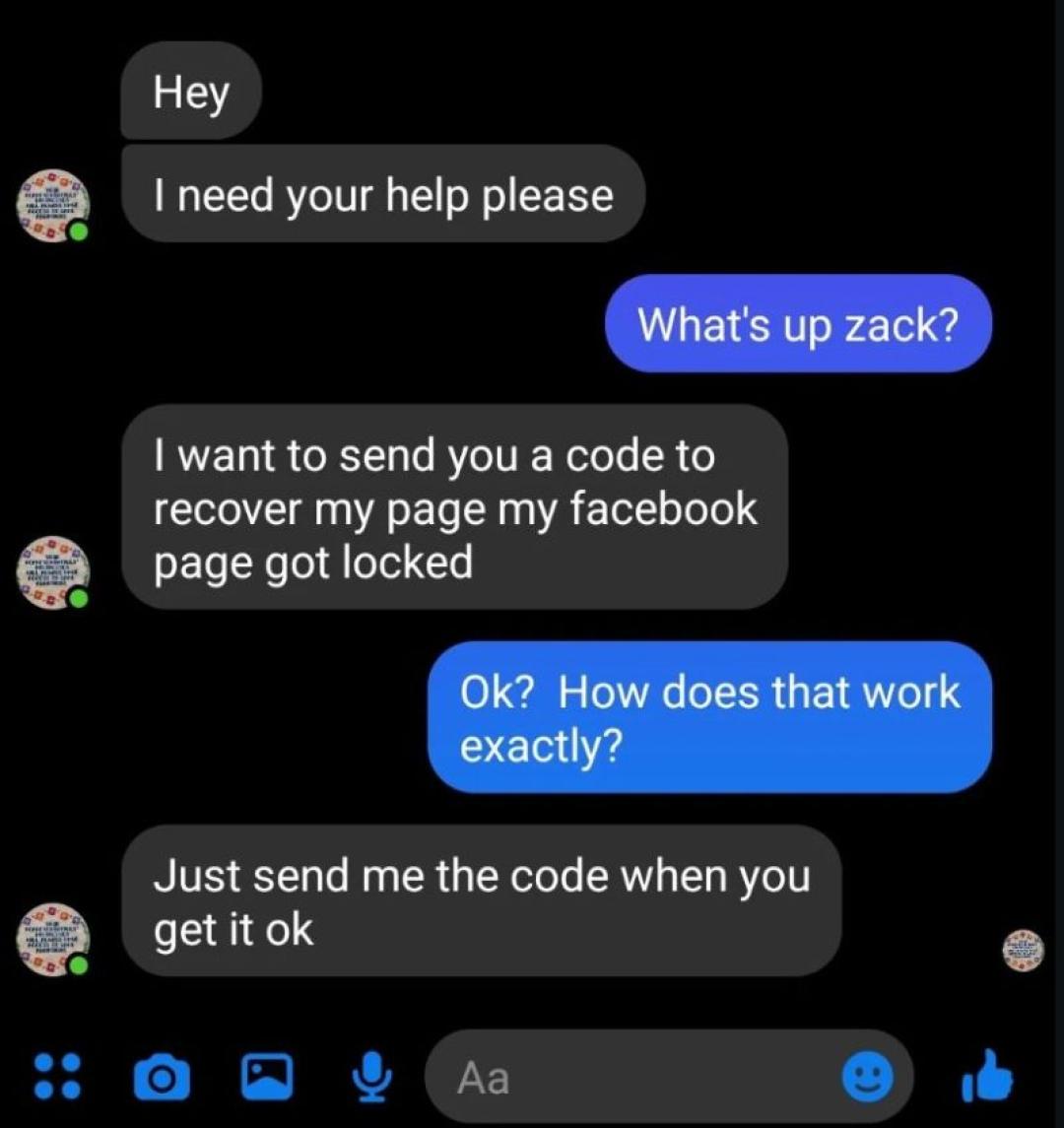
Image Credit: Reddit
When your friend’s or a relative’s account gets hacked, the scammer gets access to lots of potential victims. They use personal relationships to scam people.
You may get a message from someone you know. They claim they lost their wallet, need rent money, need help with a medical bill, or need quick support while travelling.
Call the person or message them outside Facebook before sending money. A real friend will understand why you checked.
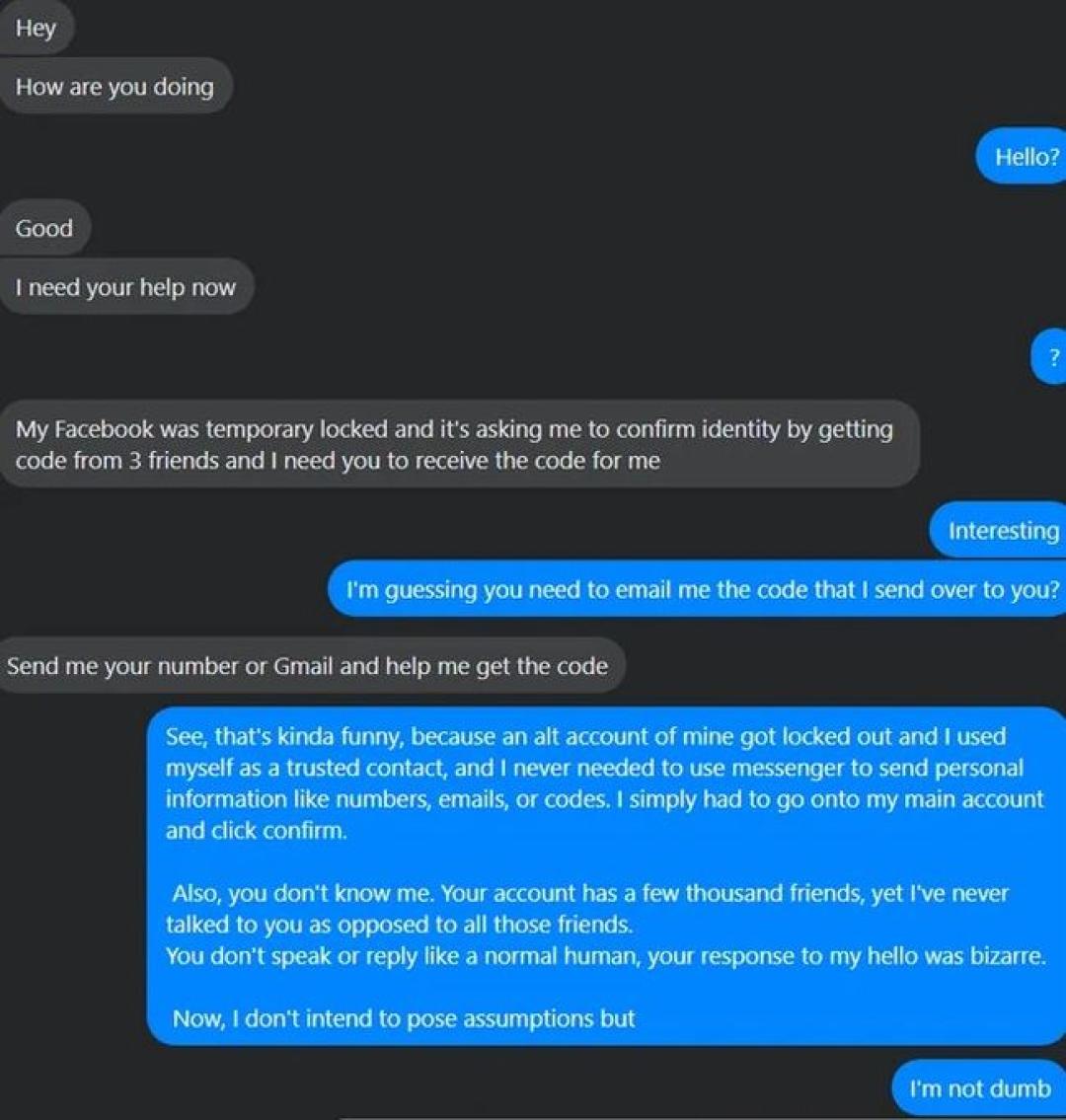
Image Credit: Reddit
This scam often targets Page admins, business owners, creators, and advertisers.
The message may claim your Page will be deleted, your ad account has been suspended, or your content violated copyright rules. It then asks you to “appeal” through a link.
Do not use a random Messenger link to handle account problems. Go directly to Facebook’s Help Center or your account settings and check there.
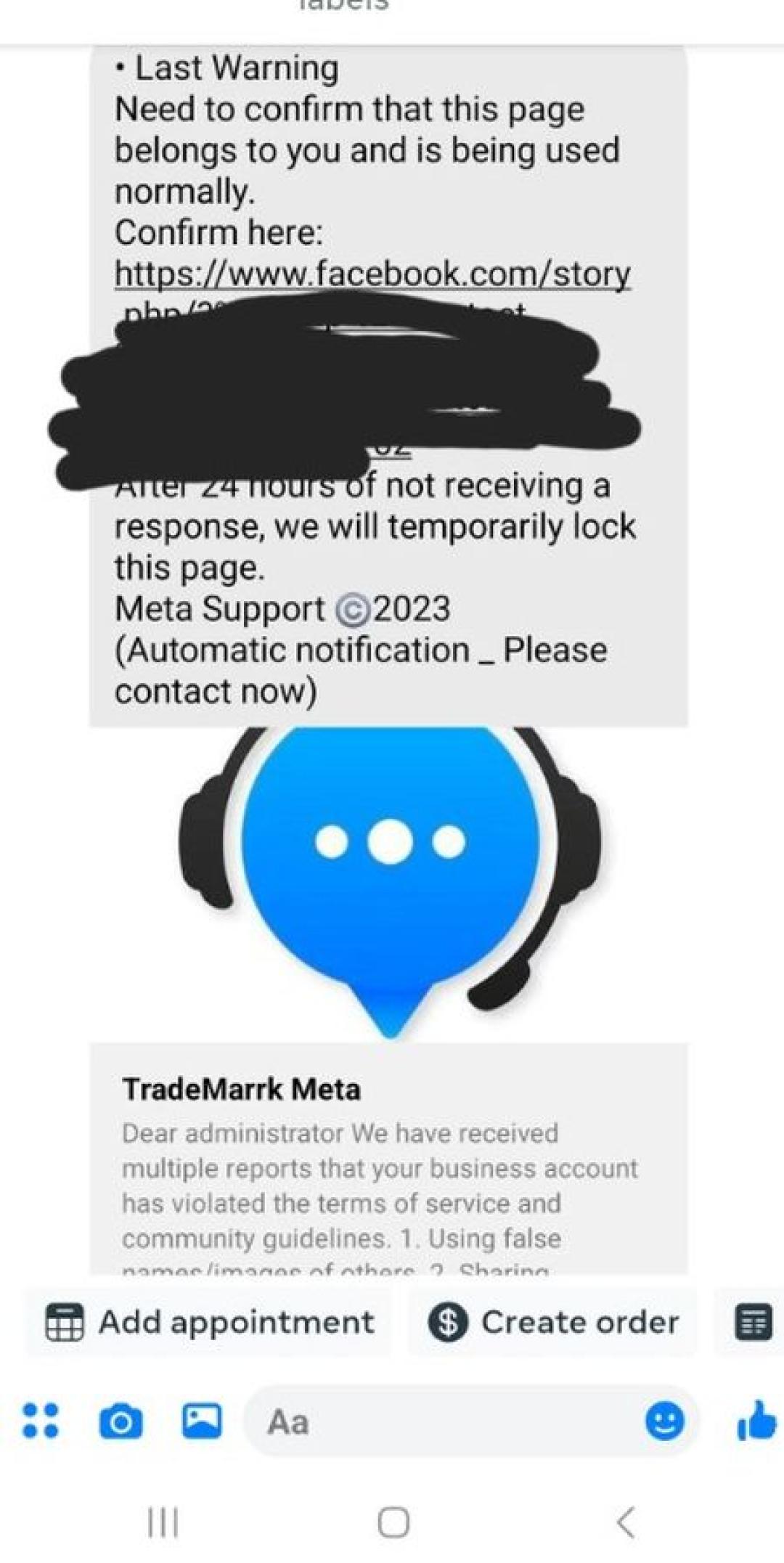
Image Credit: Reddit
Fake giveaway posts borrow the names of real brands.
They may promise a free iPhone, supermarket voucher, airline ticket, Amazon gift card, or luxury product. The post may use pressure phrases such as “only today,” “limited spots,” or “claim before midnight.”
These posts often ask you to like, share, comment, complete a survey, or pay a small “shipping fee.” That small fee can expose your card details. Be careful, not every fake giveaway comes from names in the image below, sometimes they can be really convincing!
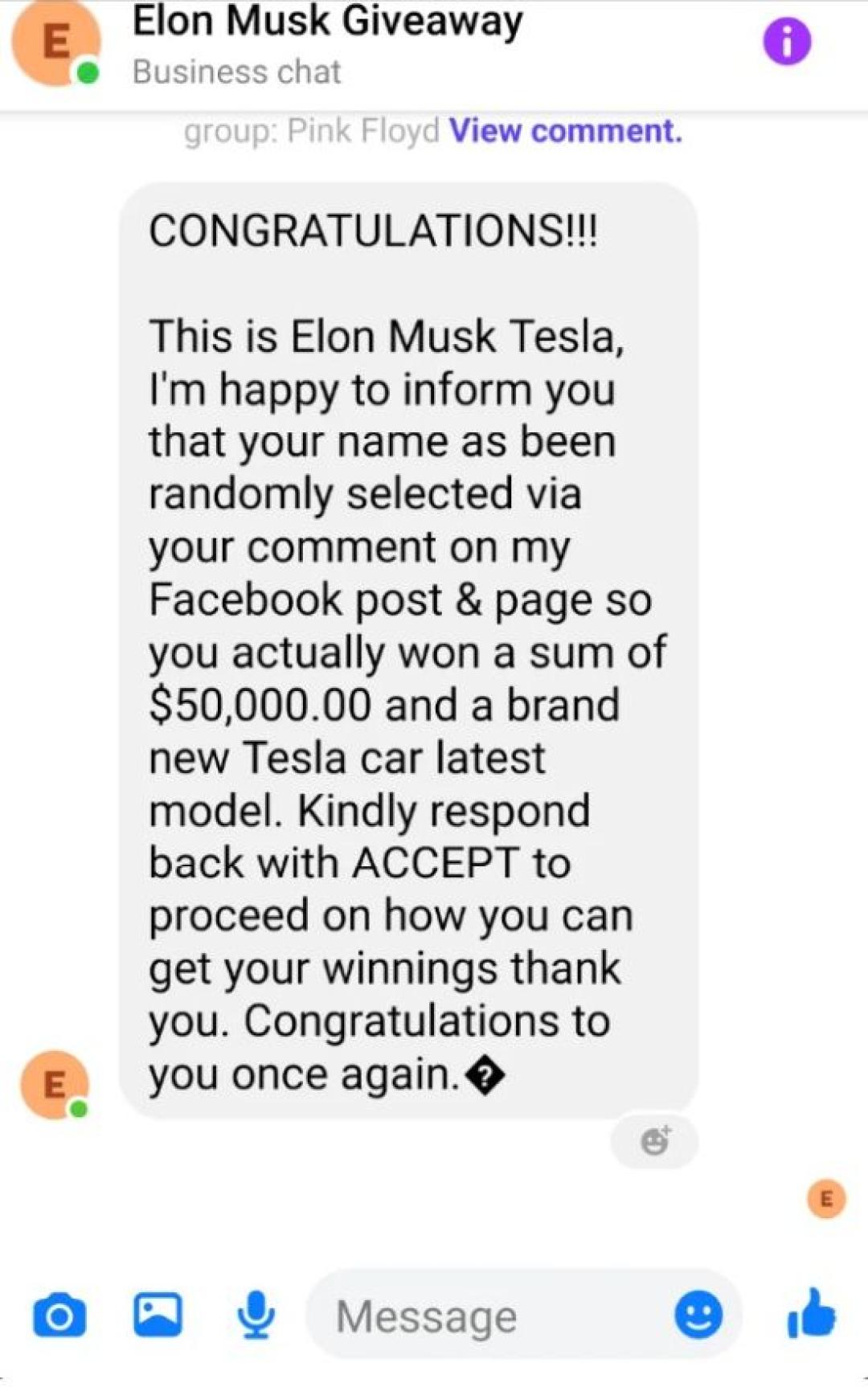
Image Credit: Reddit
Some Facebook ads lead to fake stores, counterfeit products, or phishing websites.
The FTC’s report shows that shopping scams were the most reported type of scam that started on social media in 2025. Many reports involved items bought through social media ads that never arrived or arrived as cheap knockoffs.
A polished ad does not prove the store is real. Search the store name, check the domain, read outside reviews, and run the website through ScamAdviser before you buy.
Some investment scams use AI-generated videos of famous people, public figures, or financial experts.
Kaspersky reported cases where deepfake ads on Facebook and Instagram pushed users into private WhatsApp chats, where the fake investment pitch continued away from the original ad.
Be careful with any ad that promises “guaranteed returns,” “daily profit,” or “risk-free crypto income.” Real investments carry risk, and real advisers do not need to recruit you through a random social media ad.
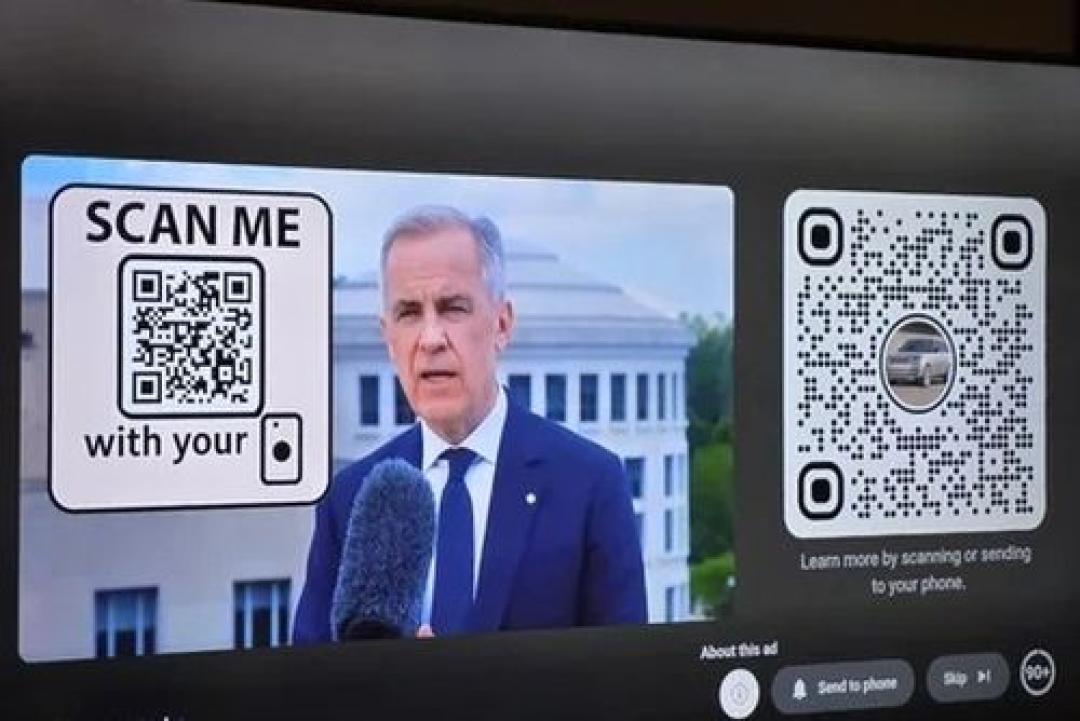
Image Credit: Reddit
Romance scams often start with a friendly message, comment, or friend request.
The person builds trust, then asks for money. They may mention travel problems, medical bills, military service, inheritance issues, crypto trading, or a private investment platform.
The same FTC report that we mentioned earlier shows nearly 60% of people who reported losing money to romance scams in 2025 said the scam started on social media.
Fake job scams appear in local groups, student groups, expat groups, and remote work communities.
The post may promise simple work, fast hiring, and high pay. Then the person asks for an upfront fee, identity documents, bank details, a Social Security number, or access to your account.
Real employers do not need your Facebook password, bank login, or payment before a proper hiring process.
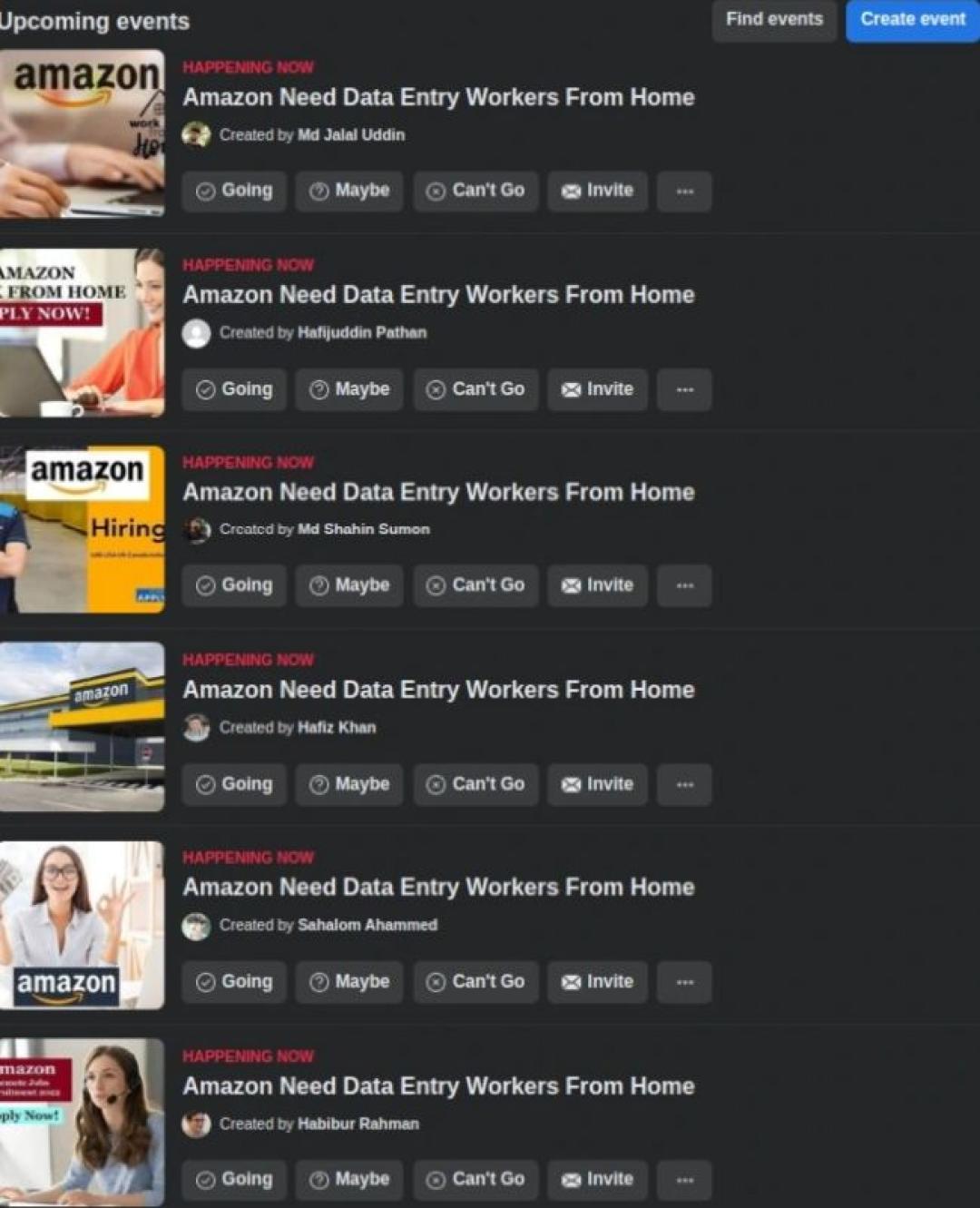
Image Credit: Reddit
Fake charity posts use emotion to rush you.
They may copy photos of sick children, injured animals, disaster damage, or grieving families. The payment request may go to a personal account, payment app, crypto wallet, or unknown donation page.
Check the charity name, official website, registration details, and payment destination before you donate.
Some quizzes and apps collect more than harmless answers.
They may ask for your birth date, first pet, hometown, school, or mother’s maiden name. Those details can match password reset questions.
Do not connect random apps to your Facebook profile. Check your app permissions and remove anything you do not recognize.
When we review suspicious websites, fake shops, and social media scams, the strongest warning signs usually appear as a pattern.
A Facebook profile may look normal at first. The photo looks real, the name looks familiar, and the message sounds just like any other seller. Once that account sends a strange link, asks for money, pushes you to decide quickly, or moves the conversation away from Facebook, that’s when you should be extra careful.
Before making a purchase on the Marketplace, make sure the seller or the buyer checks all of these boxes:
What to check
Look for these indicatorsWhat is considered risky
Profile Older posts, natural comments, real activityNew account, copied photos, little history
Message Clear reason, normal tone, no pressure Urgency, fear, guilt, or strange wording Link Matches the real brand or platform Misspelled domain, short link, odd checkout Payment Protected method, clear receipt Gift cards, crypto, bank transfer, Cash App to a stranger Support Claim Visible inside your Facebook account Random Messenger link asking you to “verify”Before you buy or sell on Facebook Marketplace, score the deal like a safety review. A deal does not need to be perfect, but it should pass the basic checks:
Check Green Signal Red Flag Price Close to normal market value Far cheaper than similar listings Photos Original, clear, consistent Stock images or photos used elsewhere Profile Local activity and normal history New profile or no real activity Communication Clear answers Pressure, vague replies, strange excuses Payment Confirmed in your own account Screenshots, links, deposits, gift cards Handover Public meet-up or protected delivery Courier link or rushed shipping demandIf you encounter two or more red flags, it would be a good idea to approach with caution as the deal might be risky. For example, a cheap laptop from a new profile is not automatically a scam, but a cheap laptop from a new profile that also asks for a deposit has a high probability. Being extra careful would never hurt.
If you are a seller, don’t release the item until payment shows up in your own account. For buyers, do not send money before you can verify the item and the person behind the listing.
The safest way to shop in Facebook Marketplace is to keep the transaction as simple as possible. The more complicated the payment story becomes, the more carefully you should check it.
Report the scam, but save the evidence first. Once you report a profile, ad, Page, message, or Marketplace listing, the content may disappear or become harder to access.
Take screenshots of the profile, listing, Page name, ad, Messenger conversation, payment request, website link, email address, phone number, and transaction receipt.
Then report the scam where it happened. The best way to report suspicious content is to use the report link near the content itself. For Marketplace scams, Facebook tells users to stop communicating with the buyer or seller and report the suspected scam to Facebook.
Here are ways to report the damage outside Facebook:
Apart from these, you can also report a scam to ScamAdviser with an option to “report to authorities.”
Can I get my money back after a Facebook Marketplace scam?
You may be able to recover money through your bank, card provider, PayPal, or payment app, but your chances depend on the payment method and how fast you report it.
Why do Facebook scammers ask to move to WhatsApp or text?
They move you away from Facebook because private chats make the scam harder to report and easier to control.
Is Facebook Marketplace safe?
Facebook Marketplace can be safe when you verify the profile, item, price, payment method, and delivery process before you buy or sell.
Are Facebook ads scams?
Some Facebook ads are scams, so you should check the website, brand, domain, reviews, and payment page before you buy.
How do I check if a Facebook shop is real?
Check the Page history, Page transparency, outside reviews, website domain, payment options, and the store’s ScamAdviser trust score.
What should I do if my Facebook account was hacked?
Use Facebook’s account recovery tools, change your password, log out of unknown sessions, turn on two-factor authentication, and warn your contacts.
Why would a Facebook buyer send a fake courier link?
A fake courier link usually tries to steal your card details, banking details, login credentials, or personal information.
Should I share a Facebook login code with a friend?
No, a Facebook login code can give someone access to your account and should never be shared.
Jamie James is an alias of an experienced technology writer whose pieces and reviews appeared in various media outlets, such as CNET, Softonic, gHacks, and more. He has been covering technology news, evergreen guides, and pieces on how to stay safe online for many years.