
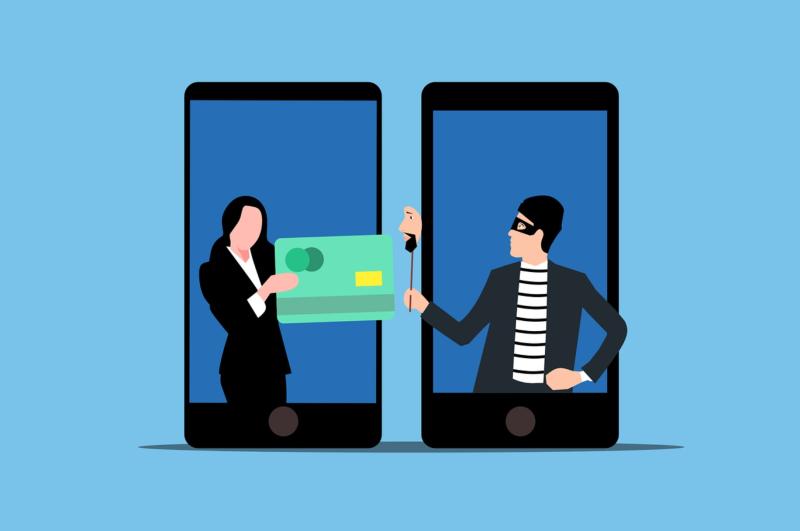
Recently, many people are reporting an unexpected voicemail that sounds calm, professional, and reassuring. The message claims to come from NovaLend, delivered by a man introducing himself as Brian. According to the voicemail, a loan has already been pre-approved and only a few documents are needed to move forward.
For recipients who are actively dealing with finances, this kind of message can feel like a lucky break. But for many others, it immediately raises a serious question: How can a loan be approved when no application was ever submitted?
Hey, this is Brian over here at NovaLend. It appears we were able to get everything pre-approved. I just need some documents back. Your approval number is 9856473A. Call me back at 585767-6102.
Please note that the information shown in the examples above may have been fabricated or presented under a false identity.
The voicemail is carefully designed to sound legitimate. The tone is friendly, not aggressive. The caller speaks clearly, avoids slang, and includes details such as an approval number. All of this gives the impression of an organized financial process already underway.
What makes this situation unusual is the consistency reported by recipients. Many people describe hearing:
In genuine lending systems, approvals are unique and tied directly to a specific application and credit profile. Identical details across thousands of unrelated calls strongly suggest a mass outreach campaign rather than individual loan processing.
Calls like this often use a basic psychological trick known as pre-approval language. When someone hears “you’re already approved”, it creates instant curiosity and a sense of urgency. As a result, people are far more likely to respond than they would to a cold call simply asking whether they want to apply for a loan.
Once someone calls back, the conversation typically shifts. The caller may say they need to “verify” information before releasing funds. This verification can include requests for:
At that moment, the person on the other end is no longer being treated as a customer but as a source of valuable information or money.
The approval reference provided in these messages plays an important role. Numbers signal legitimacy. They make the interaction feel official and structured.
However, real lenders generate approval numbers that are:
When the same reference number appears repeatedly in unrelated calls, it strongly suggests it exists only to build confidence but not to track a real loan.
Another important factor to consider is who starts the conversation. Genuine lenders usually contact people only after an application has been submitted. They don’t make unexpected calls claiming an approval without first verifying identity, income, and credit history.
When a company reaches out without knowing anything about you such as your financial background or credit profile, that by itself should be treated as a serious red flag.
Even one of these signs should need prompt caution. When several appear together, it’s best to disengage entirely.
If you are interested in a loan, contact a lender directly using an official website not some random voicemail.
Messages like the (585) 767-6102 NovaLend “Brian pre-approval” voicemail succeed because they sound helpful, polite, and efficient. But real financial institutions don’t operate through surprise approvals and recycled reference numbers.
When a call feels professional yet unexpected, slowing down and verifying independently is the safest move. Awareness remains the strongest defense against misleading robocalls and financial traps.
Disclaimer: This article has been written by a Scam Fighter Contributor. If you believe the article above contains inaccuracies or needs to include relevant information, please contact ScamAdviser.com using this form.
Image Source: Pixabay
