
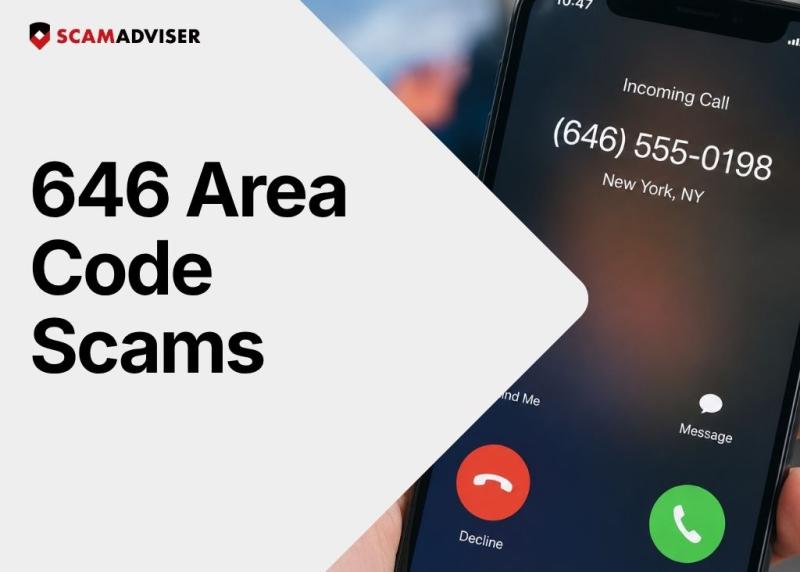
There has been an influx of 646 Area Code Scams, with calls and WhatsApp messages coming from unfamiliar numbers that leave many people confused and unsure whether to respond. These scams often look harmless at first, using a New York area code to appear local and trustworthy while creating a sense of urgency.
In some cases, scammers quickly switch from a phone call to WhatsApp to make the interaction feel more “legit” and harder to trace. Here’s what’s really happening behind these 646 Area Code Scams and why you should be careful before engaging.
In a Nutshell
You glance at your phone and see a missed call or a WhatsApp message from a 646 number asking, “Is this David?” Because 646 is a well-known New York City area code, it can easily feel like a legitimate business or local contact is trying to reach you. That’s exactly the assumption scammers rely on.
In many 646 Area Code Scams, fraudsters use cheap, easily purchased virtual numbers to blend in and bypass your natural suspicion. Once trust is established, they may try to pull you into premium-rate callbacks, fake investment opportunities, or even cryptocurrency schemes.
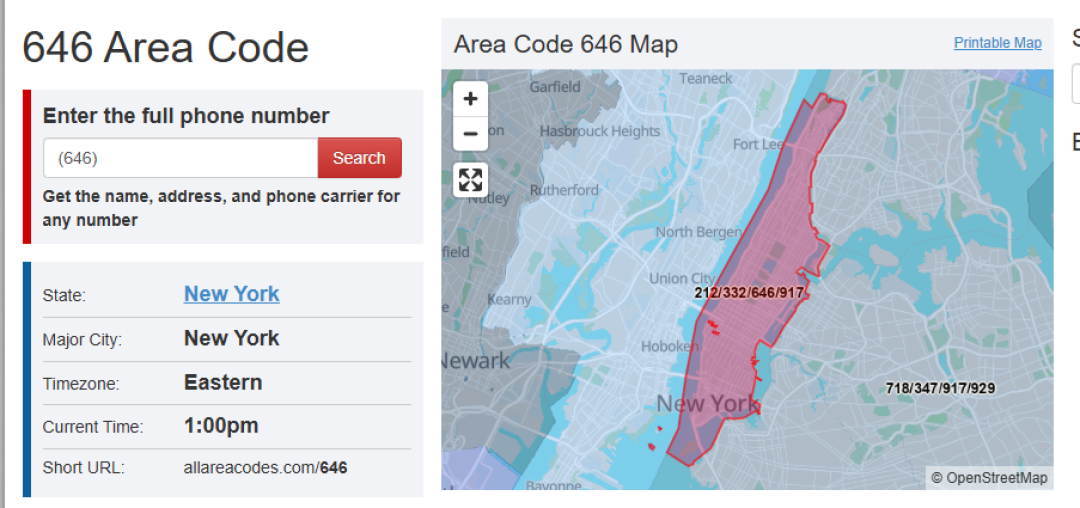
The 646 prefix, introduced on July 1, 1999, is an overlay for Manhattan alongside the original 212 code, covering mobile phones, landlines, and VoIP services across New York City. Scammers take advantage of this structure by buying VoIP numbers for almost nothing, often operating from overseas while still appearing as a local Manhattan caller on your screen.
The result is simple but effective deception: a familiar area code that makes 646 Area Code Scams feel safe enough to answer.
Most 646 fraud falls into one-ring hang-ups, government impersonation, or fake tech support. The one-ring scam NYC trap — also called Wangiri — happens when your phone rings once and disconnects. If you call back, the scammers route you to an international premium-rate number that charges you $10 to $50 per minute.
Another major threat is the Chinese consulate robocall scam, which specifically targets Chinese Americans and recent immigrants. The automated caller speaks Mandarin, claims you face immediate deportation or arrest, and demands an urgent wire transfer to resolve the fake legal issue.
Finally, IRS impersonators use 646 numbers to leave threatening voicemails about back taxes. The real IRS only initiates contact through the mail and never demands payment via gift cards or cryptocurrency.
Scammers register 646 VoIP numbers on WhatsApp to bypass traditional carrier spam filters and reach you directly. This is a rapidly growing threat because WhatsApp allows anyone to register an account using any phone number, letting an overseas fraudster easily appear as a standard +1 646 contact. You receive a seemingly harmless message like "Hi, I think we met at the conference?" accompanied by a stolen profile picture of an attractive professional.
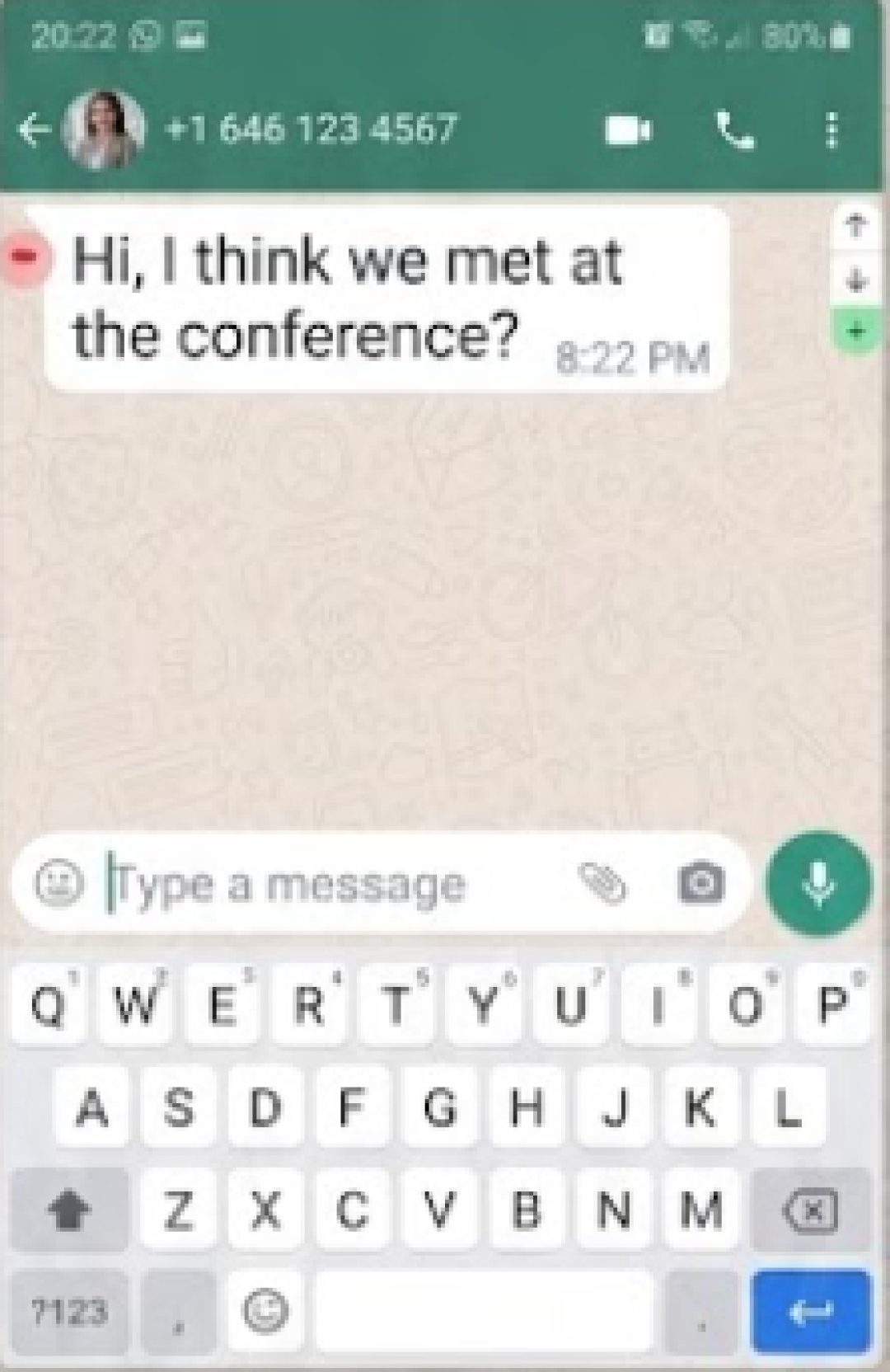
Once you reply to correct them, they keep the conversation going to build trust over days or weeks. Eventually, they pivot to a romance scam or pitch a "guaranteed" cryptocurrency investment platform. They direct you to deposit funds into a fake exchange, and once your money goes in, the scammer blocks you and disappears.
Do not answer, do not call back, and do not reply to unexpected messages. If you receive a missed call that matches the profile of a Manhattan New York phone scam, leave it alone. Calling back only confirms your number is active and exposes you to premium charges.
For suspicious WhatsApp messages, open the chat, tap the contact's name, and scroll down to select "Report and Block." If you already transferred money to a caller or a WhatsApp contact, call your bank immediately to attempt a chargeback and file a report with the FBI's Internet Crime Complaint Center at ic3.gov.
You are not paranoid for ignoring an unexpected message from a New York number. Always report spoofed calls to the FTC at reportfraud.ftc.gov and the FCC at consumercomplaints.fcc.gov to help authorities track the VoIP providers enabling this fraud.
They do not need to be in Manhattan to steal your money — they just need you to trust the area code.
You may notice this isn’t the first time we’ve covered area code scams. If you’ve been following along, here’s a quick look back at some of the scams we’ve discussed before:
Frequently Asked Questions
Is area code 646 a scam?
The 646 area code is a legitimate Manhattan prefix, but scammers frequently spoof it or buy virtual numbers to trick you into answering.
Why is a 646 number messaging me on WhatsApp?
Overseas fraudsters buy cheap US virtual numbers to bypass spam filters and trick you into romance or cryptocurrency scams.
Should I call back a 646 number that missed me?
Never call back an unknown number that rings once and hangs up, as this often routes you to a premium-rate line that charges you per minute.
What is the hello text scam 646?
Scammers send vague texts like "Hello" or "Guess who?" from a 646 number to confirm your phone is active before pitching fake investments.
Adam Collins is a cybersecurity researcher at ScamAdviser who operates under a pseudonym for privacy and security. With over four years on the digital frontlines, he specialises in translating complex threats into actionable advice. His mission: exposing red flags so you can navigate the web with confidence.
