
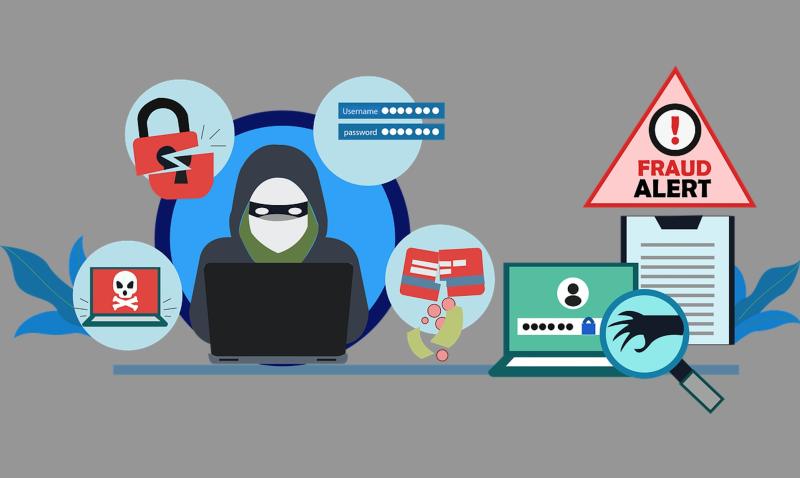
Phone scams continue to evolve, and one growing tactic involves calls and text messages linked to the 907 area code, which is officially assigned to Alaska. While the area code itself is legitimate, scammers are increasingly using it to make fraudulent messages appear trustworthy. These scam attempts are not limited to Alaska residents, people across the country are receiving them. Understanding how these scams work, how to recognize warning signs, and how to protect yourself is essential in today’s digital world.
The 907 area code calls and texts scam refers to fraudulent phone calls and text messages that appear to come from a 907 number. In many cases, the number shown on your screen is not the real source of the call or message. Scammers commonly use caller ID spoofing, a technique that allows them to disguise their real phone number and make it seem like the communication is coming from a trusted or local source.
These scam messages often claim to come from banks, government agencies, law enforcement, utility providers, or delivery services. The goal is simple, to scare, pressure, or trick you into sharing personal information, clicking malicious links, or sending money.
Scammers use a variety of stories to catch attention and create urgency. While the wording may change, the underlying tactics are usually the same as below:
One common version involves fake account alerts. You may receive a text claiming that your bank account or credit card has been locked due to suspicious activity. The message urges you to call at a 907 related number immediately or click a link to verify your account. Once you respond, scammers attempt to steal your card details, login credentials, or PIN.
Another widespread tactic is government or law enforcement impersonation. In these cases, callers claim you owe unpaid taxes, fines, or legal fees. Some messages even threaten arrest or legal action if payment is not made immediately. The pressure is intentional, designed to stop you from thinking critically.
Utility and service shutoff scams are also common. You may be told that your electricity, water, or internet service will be disconnected unless you make an urgent payment. These messages often demand payment through unusual methods.
There are also delivery and prize scams, where texts claim you missed a package or won a reward. These messages usually include a link that leads to a fake website designed to collect personal information or install malicious software on your device.
Scammers choose the 907 area code because it feels legitimate and less familiar to many people. Since Alaska has only one area code, many recipients assume the call may be important or official. Scammers rely on curiosity, confusion, and urgency to increase the chances of a response.
It is important to understand that a phone number alone does not prove who is calling. Modern technology allows scammers to appear as though they are calling from almost any area code they choose.
Although these scams are designed to look convincing, there are clear warning signs you can watch for, such as:
Staying safe starts with caution and awareness. If you receive a call or text from a 907 number and do not recognize it, avoid answering or responding. Ignoring unknown communications is often the safest option.
Never click links in unexpected text messages, even if they appear urgent. These links may lead to fake websites designed to steal your information or compromise your device.
If a caller claims to represent a bank, company, or government agency, do not rely on the information provided during the call. Look up official contact details from a trusted source and verify the claim directly.
Avoid sharing personal or financial information unless you initiated the contact and are confident you are speaking with a legitimate representative.
Call blocking features and spam filters can significantly reduce scam attempts. Many smartphones and mobile carriers provide built-in tools to help identify or block suspicious numbers.
If you have clicked a link, shared information, or sent money after receiving a suspicious call or text from 907 related numbers, act quickly. Monitor your bank and credit accounts for unusual activity, change compromised passwords, and contact your financial institution immediately if necessary.
You should also consider reporting the incident to consumer protection agencies or local authorities. Reporting scams helps raise awareness and may prevent others from becoming victims.
Scam calls and texts using the 907 area code are part of a broader trend in phone based fraud. While the messages may look convincing, they are designed to exploit fear, urgency, and trust. By staying informed, questioning unexpected communications, and taking time to verify claims, you can greatly reduce your risk of falling victim.
A phone number alone does not determine legitimacy. Awareness and caution remain your strongest defenses against modern phone scams.
Disclaimer: This article has been written by a Scam Fighter Contributor. If you believe the article above contains inaccuracies or needs to include relevant information, please contact ScamAdviser.com using this form.
Image Source: Pixabay
