
You click on a video, open a dating profile, or try to access a page marked 18+. Everything looks normal until one final screen appears. It says you need to verify your age before you can continue.
Then it asks for your credit card.
That can feel strange, but a card request does not automatically mean you are dealing with an age verification scam. Some real services do use credit cards as one way to confirm age. The problem is that scammers know this too, and fake verification pages can look almost identical to the real thing.
Quick Summary
Sometimes it is. The important part is knowing exactly who is asking for it.
Ofcom lists credit-card checks as one possible age-assurance method, and Google also uses card-based age verification in some situations. That means seeing a card form does not tell you much on its own.
The context matters far more.
If you are using a well-known service and the age check appears inside its normal verification process, the request may be legitimate. If someone you just met sends you a separate link and says, “Verify here before we meet,” you should treat that very differently.
The same goes for a streaming page that keeps redirecting you, an adult site you have never heard of, or a pop-up that suddenly wants your billing information.
Before you enter anything, open the official website yourself and check how it says age verification works. Do not rely on the link you were given.
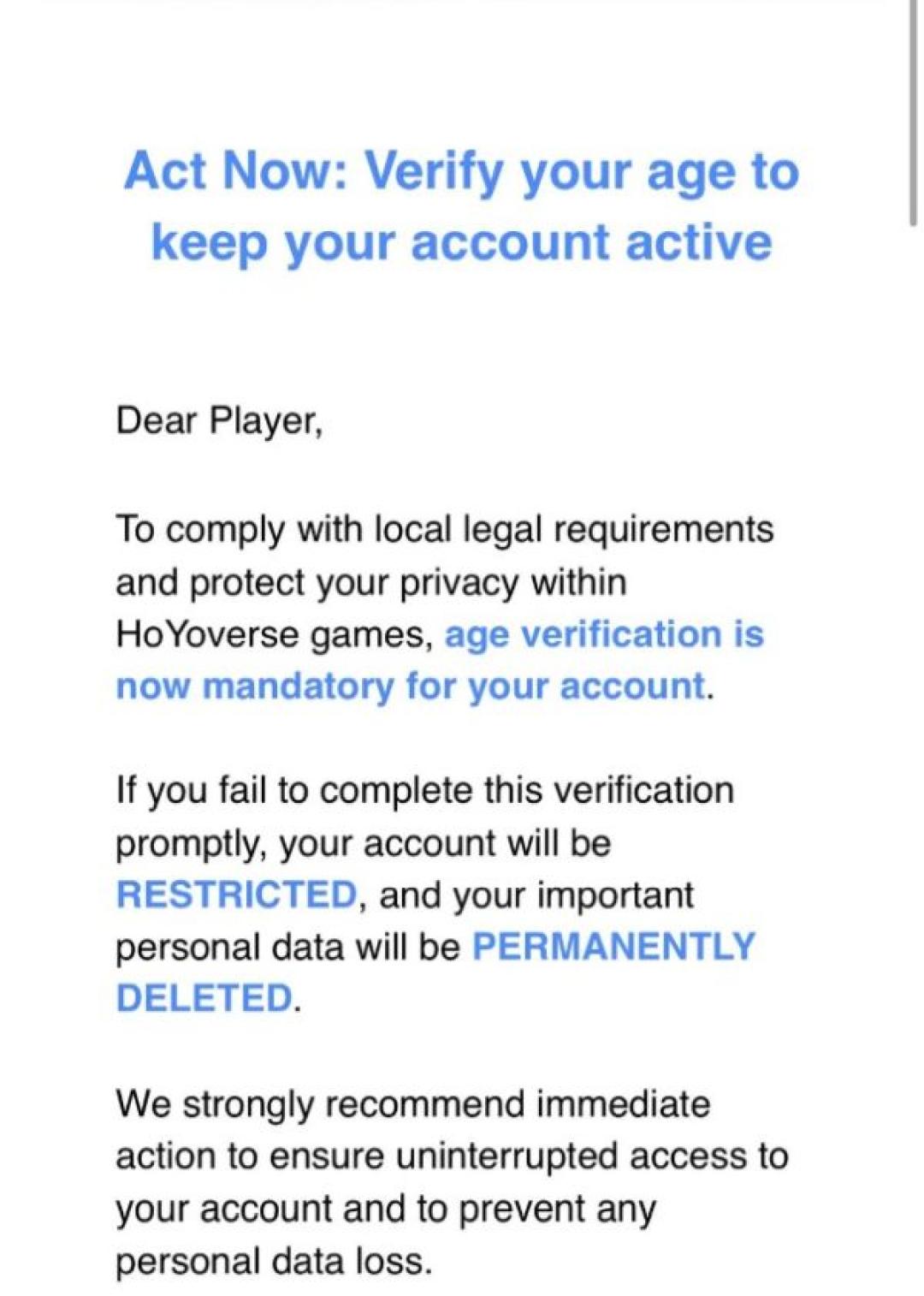
Some age verification emails could be scams or legit; performing a quick internet search could help the user understand their legitimacy (Image Credit: Reddit)
Most of these scams start with something you already want to access.
Maybe it is a video. Maybe it is a dating profile. Maybe it is a stream that looks like it is about to start. Then a page appears and says you only need to complete one quick check.
The form may ask for your name, email address, card number, expiry date, and CVV. It may also say things like “your card will not be charged” or “verification is completely free.”
That is where the risk starts.
The FBI warned about this exact setup in April 2024. In some dating scams, users were sent to supposedly free verification websites that collected personal and credit-card details. Some victims were then redirected into expensive monthly subscriptions.
Malwarebytes found a similar pattern in August 2026 around adult-content searches. Some pages used age verification as the reason for asking for card details, while the payment flow could lead to recurring charges.
You can run into the same age check scam in very different places. The page may look different, but the basic idea stays the same: convince you that handing over payment details is part of a normal safety check.
This is one of the easiest versions to fall for because the request often comes from a real conversation.
You match with someone, chat for a while, and things seem to be going well. Then they tell you they would feel safer meeting if you complete a “dating ID” or “safety verification.”
The link may lead to a professional-looking website with security badges, testimonials, or media logos. Some pages even claim they are checking users against criminal or sex-offender databases.
The FBI has warned about this type of dating ID scam. In documented cases, fake sites used trusted-looking branding before asking for personal information and card details.
If a dating platform has its own verification system, use that system directly inside the app. Be very careful with outside verification links sent by matches.
Adult sites often use age gates, so a fake check can feel believable at first.
You may click on a blurred image or preview, then get sent to another page that says you must confirm you are over 18. After that, another page asks for your card.
Malwarebytes has documented similar flows where adult-content searches led users through several pages before reaching forms that requested payment information.
The redirects matter here. If you started on one domain and suddenly find yourself entering card details on a completely different one, stop and check where you are.
Fake streaming pages use a similar trick.
You search for a movie, live event, or video and find a site claiming it can play it for free. You click through, and just before the stream starts, the site asks you to confirm your age.
That is usually the moment to slow down.
Check the trial terms and renewal conditions. Look for the company name that will appear on your statement. If the page says the check is free but also asks you to agree to a subscription, the “age verification” may simply be part of the payment funnel.
You may also see fake verification messages that look like they came from a social media platform.
The message may say your account will be limited unless you prove your age. A link then takes you to a page asking for personal details or payment information.
Australia’s Scamwatch warned about this in December 2025, saying criminals may impersonate platforms and age-verification providers as new age rules become more familiar to users.
The safest move is simple: do not use the link in the message. Open the app or website yourself and check whether your account actually needs verification.
A fake verification website does not always look cheap or badly made. Some of them look polished enough to pass at a glance.
There are still a few signs worth checking:
Do not judge the page by how modern it looks. Check the domain, search for the company separately, and see whether the service mentions that verification provider on its own website.
If the link arrived through a suspicious message, ScamAdviser’s guide on how to recognize a phishing scam can help you check the warning signs.
Sometimes nothing happens right away, which can make the page seem legitimate.
The first sign may appear days later when you notice a charge from a company name you do not recognize. It may be a one-time payment, or it may repeat every week or month.
The FBI says victims of fake dating-verification schemes have found recurring charges from unfamiliar businesses. It also warns that information collected by these sites may be used for other fraud or sold on criminal markets.
If you created a password on the site and reused it elsewhere, change it on those accounts too.
If the page now looks suspicious, do not wait for a strange charge to appear.
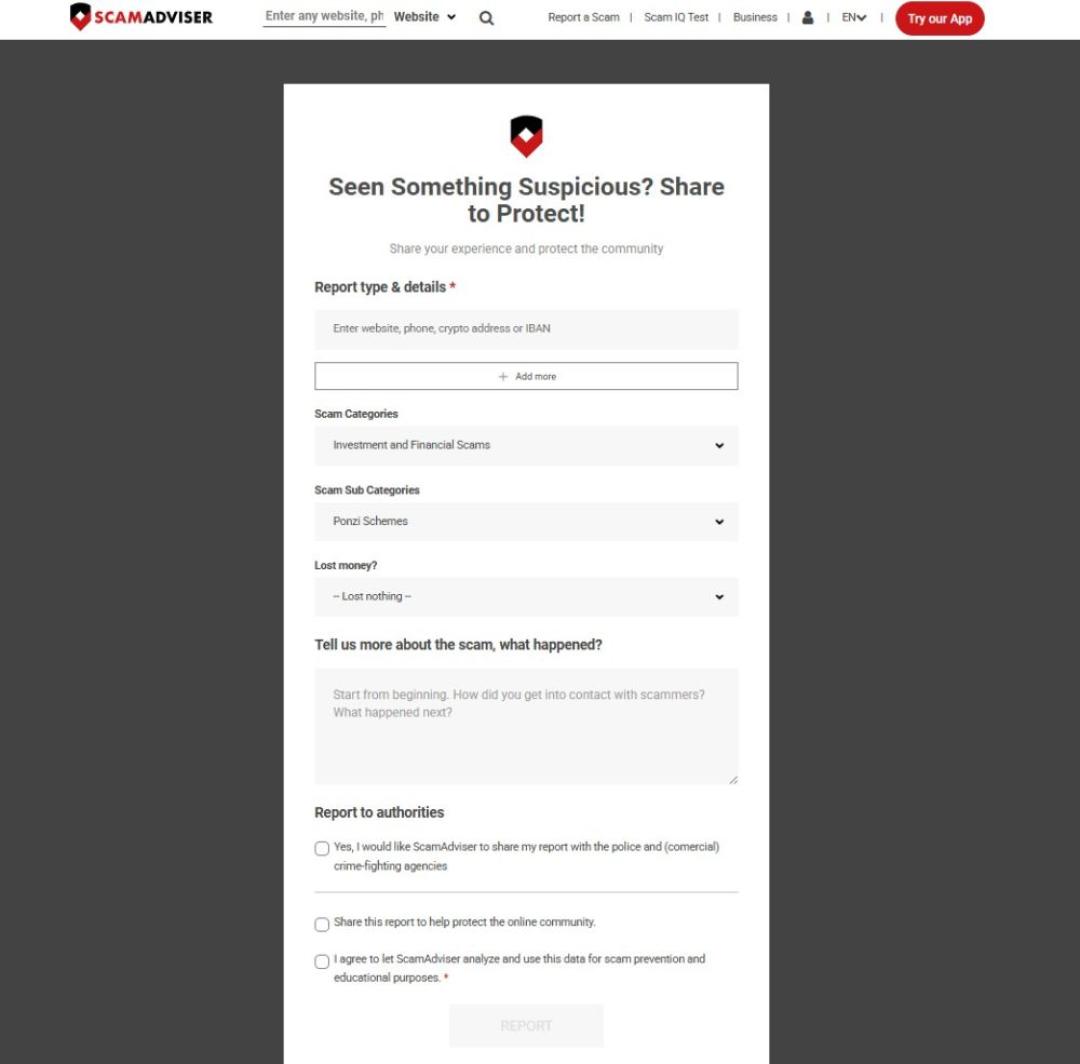
You can always report a scam to ScamAdviser and help us keep the internet a safer place (Image Credit: ScamAdviser)
Before you type in your card number, spend a minute checking the site itself.
Start with the domain. Does it match the service you thought you were using? Can you find the company behind it through an independent search? Does the official website mention the same verification provider?
You can also check the website with ScamAdviser to see its Trust Score, domain information, and available user reports.
Then read the payment terms carefully. If the site cannot clearly explain why it needs your card or what will happen after you enter it, leaving the page is the safer choice.
An age verification scam works best when the request feels routine. That is why the most useful habit is to check who is asking before you hand over any payment information.
Why does an age verification website need my credit card?
Some legitimate services use credit cards as one way to confirm that a user meets an age requirement.
Can a website charge my card after a “free” age check?
Yes, fake verification pages may hide subscriptions or redirect you into paid memberships even when the first page says the check is free.
Is a small age verification charge always a scam?
No, but you should still confirm the provider and read the payment terms before accepting any charge.
Are dating verification IDs legitimate?
Some platforms have their own verification systems, but outside “safety ID” links sent by matches should be checked before you use them.
What should I do if a dating match sends me an age verification link?
Open the dating platform yourself and confirm whether that verification service is actually required before visiting the link.
Can scammers use my card details after a fake age check?
Yes, stolen card details may be used for unauthorized payments, subscriptions, or other forms of fraud.
Author: Jamie James
