
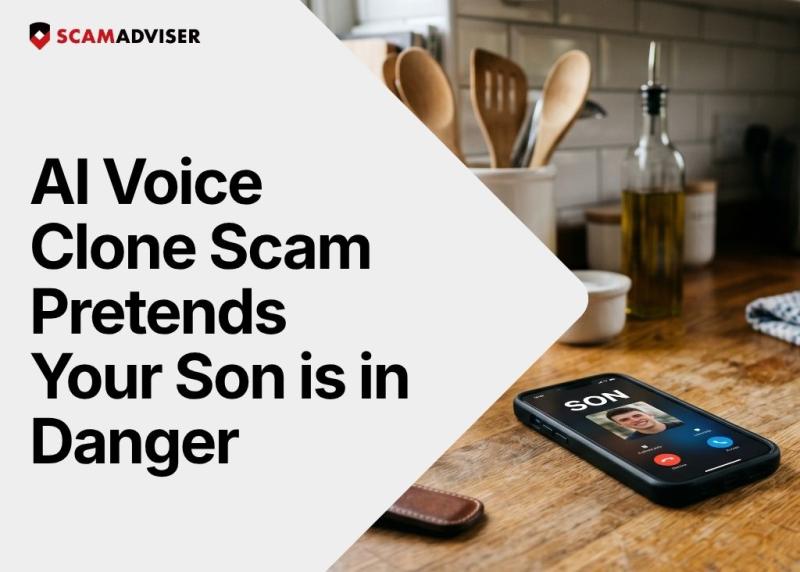
A mother picked up her phone expecting a normal afternoon call, only to hear her son crying and begging for help after what sounded like a horrible car accident. Her heart dropped instantly, and for a few terrifying moments, she believed every word. But the call was actually an AI voice clone scam designed to create panic so fast that she would send money before stopping to think. The scariest part is how real the voice sounded — almost impossible to question in the moment.
In a Nutshell
According to NewsChannel 9 WSYR Syracuse, a mother from Central New York answered an unknown call in the middle of the afternoon and immediately heard her son screaming for help. He claimed he had been in a serious car accident before a man posing as a police officer took over the call and started demanding money.
For a few terrifying moments, the panic felt completely real — until she realized the voice begging for help may not have been her son at all, but an AI-generated clone. These scams are growing fast, with TrendLife research reporting that Americans lost more than $5 million to AI voice cloning scams in 2025 alone.
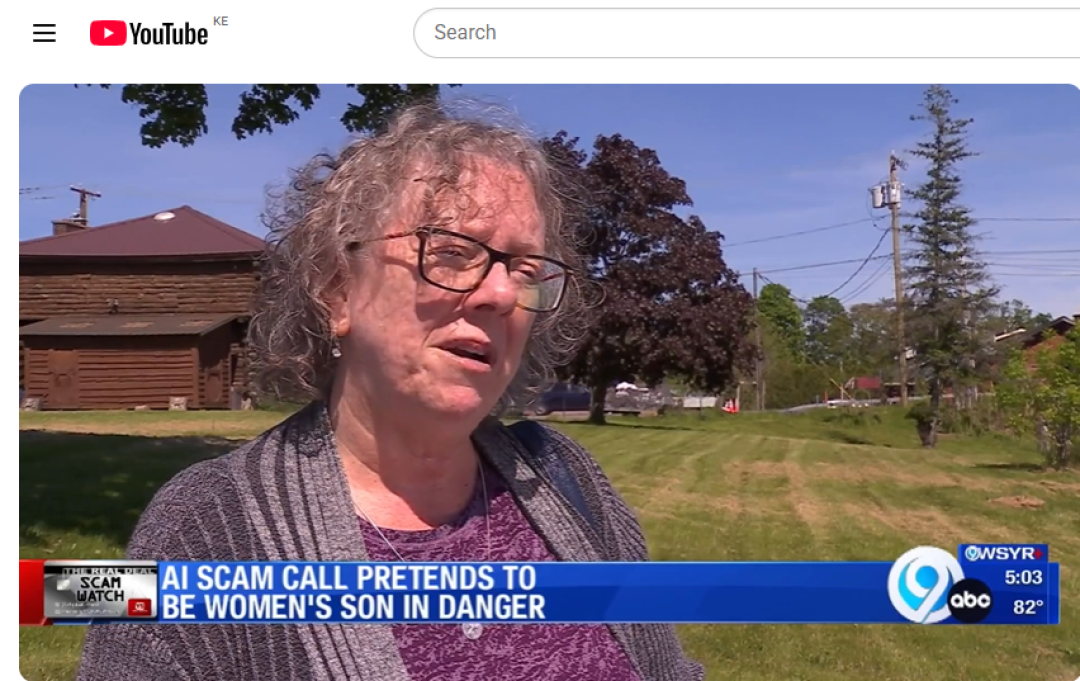
Source: Youtube
Criminals use software to clone your loved one's exact voice and stage a fake emergency to extort money.
Scammers only need three seconds of audio, grabbed from TikTok, YouTube, or even a voicemail greeting, to create a digital clone. They feed this clip into commercial artificial intelligence tools, which perfectly copy the person's accent, tone, and speech patterns. Experts at Pindrop report this technology has passed the "uncanny valley" — a technical term meaning the human ear can no longer tell the difference between a machine and a real person.
The criminals spoof the caller ID so it looks like a local number or your child's actual phone. Once you answer, they play the cloned voice pleading for help, often passing the phone to a fake doctor or police officer to escalate the panic. They demand immediate payment via Bitcoin, wire transfer, or gift cards, threatening terrible consequences if you hang up.
The cloned voice is perfect, but the scammers running the script always make mistakes.
Two specific details saved Brenda Brookins from losing her money. First, the caller ID showed an area code of 315, but her son does not live in Central New York. Second, the cloned voice used a specific word her real son would never say.
Other signs point directly to fraud. The caller will demand you stay on the line and explicitly order you not to call the police or other family members. They also insist on untraceable payment methods — formats that legitimate hospitals or police departments never accept.
Victims across the country lose thousands of dollars because the voices sound too real to question.
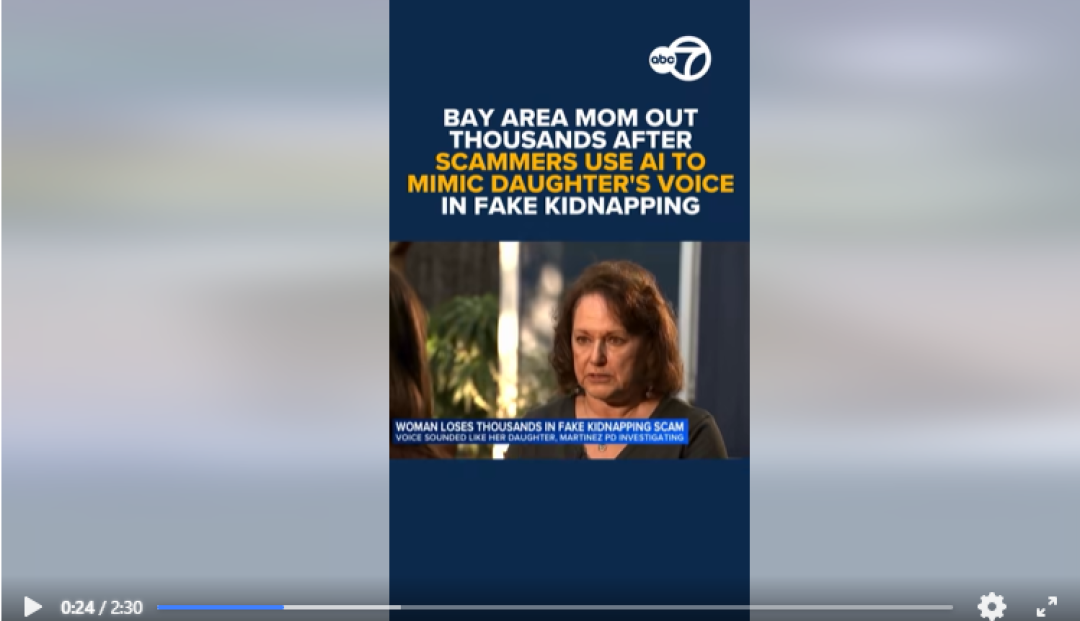
Brenda Brookins survived her close call, but many do not. A St. Louis mother named Rachel wired thousands of dollars after hearing an AI clone of her daughter describe a car accident and kidnapping scenario. She only realized the truth when her real daughter called an hour later.
The financial damage is staggering. A 2025 McAfee study found that 77% of people who lost money to these AI voice scams handed over between $500 and $15,000. Deborah Del Mastro, a California mother, lost thousands after a cloned voice of her 37-year-old daughter cried, "I love you, mom, I'm so sorry, I'm so scared."
You must cut off the immediate panic and verify the emergency through a separate channel.
Create a family code word immediately. Brenda Brookins now advocates for families to establish a private, offline safe word that only immediate relatives know. If someone calls claiming to be in trouble, ask for the code word — if they cannot say it, hang up the phone.
Tell the caller you are hanging up to dial your family member directly. A real emergency will still be happening 60 seconds later. Finally, lock down your social media accounts to friends-only so scammers cannot harvest the audio clips they need to build the clone.
Contact your bank or wire transfer service immediately to attempt a reversal.
If you gave the scammer gift card numbers, call the card issuer directly to freeze the remaining balance. File a report with the FBI's Internet Crime Complaint Center at ic3.gov to document the fraud. Finally, warn the family member who was impersonated so they can alert their friends and lock down their online profiles.
It is completely normal to panic when an AI scam pretends to be a family member in danger, but hanging up to verify the truth is your best defense. Report these calls to the FTC at ReportFraud.ftc.gov and your local police department.
They do not need a real hostage — they just need you to believe the cloned voice long enough to empty your bank account.
Frequently Asked Questions
How do AI voice cloning scams work?
Scammers use artificial intelligence software to copy a person's exact voice, then call their relatives claiming to be in an emergency that requires immediate money.
Can scammers clone a voice from a short audio clip?
Yes, criminals only need three seconds of clear audio from a social media video or voicemail greeting to create a convincing digital clone.
What is a family code word and how does it help?
A code word is a secret phrase agreed upon offline by your family that a scammer using an AI voice clone will not know.
What should I do if I already sent money to a voice cloning scammer?
Contact your bank, wire service, or the gift card issuer immediately to report the fraud and attempt to freeze the funds.
Adam Collins is a cybersecurity researcher at ScamAdviser who operates under a pseudonym for privacy and security. With over four years on the digital frontlines, he specialises in translating complex threats into actionable advice. His mission: exposing red flags so you can navigate the web with confidence.
