

In a Nutshell
According to the FBI Internet Crime Complaint Center 2025 report (released in April 2026), internet crime losses have surged to over $20.9 billion, with investment and retail-related scams accounting for nearly $17.7 billion of that figure. That context matters when you come across websites like Bulkvouch.com promising heavily discounted vouchers for platforms such as Amazon or Apple. On the surface, it looks like a shortcut to savings. In reality, it often follows a familiar pattern that ends with empty inboxes, unexplained charges, and no real way to get help.
The pitch is simple but effective. You land on a site claiming to offer high-value vouchers at a fraction of their price due to “bulk liquidation” or exclusive deals. The urgency is immediate, the discounts feel unreal, and the process is quick. You enter your payment details expecting a digital code to arrive within minutes. Instead, nothing shows up, or worse, your bank account begins to show activity you don’t recognize.
According to Whois Lookup & ScamAdviser, Bulkvouch.com was registered on 31st March 2026. This alone does not make it a scam, but it is a key detail that should shape how much trust you place in the platform. Newly created websites are commonly used in short-term fraud campaigns where operators launch quickly, collect payments, and disappear before complaints catch up.
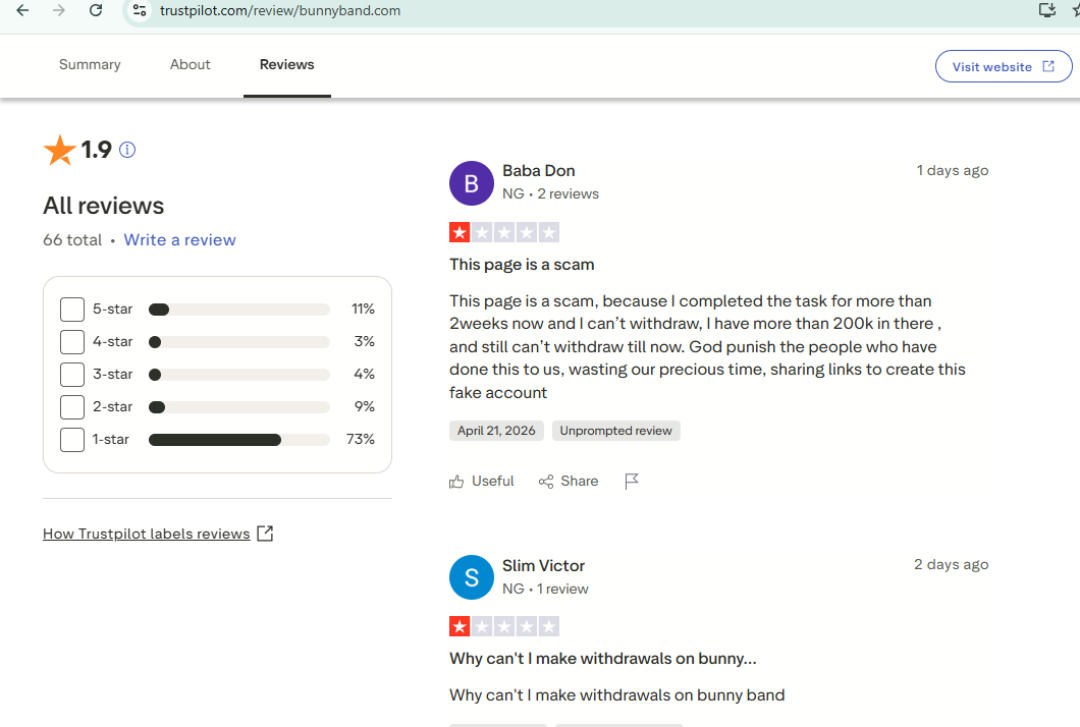
A website that has only existed for a short time has not had the opportunity to build a reliable reputation. There are no years of customer feedback, no established history, and no consistent track record of delivering products. In contrast, legitimate retailers invest time in building credibility, visibility, and trust over the long term.
Transparency is one of the clearest ways to separate legitimate businesses from suspicious ones. Genuine companies make it easy for customers to find them, contact them, and verify their existence. When reviewing a site like Bulkvouch.com, the absence of clear and verifiable contact information becomes an important signal.
If a website only provides a contact form or a generic email address, it limits your ability to reach anyone if something goes wrong. Even when an address is listed, it is worth checking whether it actually belongs to the business. Many scam sites use borrowed or random addresses that lead to unrelated locations. When the contact details do not align with a real, traceable company, the risk increases significantly.
The way a site asks you to pay can reveal its intentions almost immediately. Secure and reputable platforms typically rely on payment methods that offer some form of buyer protection. However, when a site begins pushing alternatives that are difficult to reverse, it changes the risk entirely.
Requests to use cryptocurrency, wire transfers, or peer-to-peer payments are particularly concerning because once the money is sent, it is extremely difficult to recover. Even when credit card payments are available, it is important to verify that the transaction is processed through a legitimate and secure gateway. Some fraudulent sites mimic trusted payment providers by displaying logos that are not actually functional, creating a false sense of security.
The outcome of interacting with suspicious voucher sites tends to follow a familiar pattern. Users often report that the promised vouchers never arrive, while unexpected charges begin appearing on their accounts. Attempts to contact support usually lead nowhere, and in some cases, personal and financial information may be exposed.
If you suspect that you have been targeted, acting quickly is essential. Contacting your bank can help prevent further unauthorized transactions, and reporting the incident to the FBI Internet Crime Complaint Center or your local cybercrime authority can contribute to broader investigations. The sooner action is taken, the better the chances of minimizing the damage.
Online scams in the retail space are becoming more polished and more convincing. The safest approach is to question anything that promises unusually high returns for minimal cost. When it comes to digital vouchers, if the deal feels effortless, the real cost may come later.
This article has been written by a scam fighter volunteer. If you believe the article above contains inaccuracies or needs to include relevant information, please contact ScamAdviser.com using this form.
Adam Collins is a cybersecurity researcher at ScamAdviser who operates under a pseudonym for privacy and security. With over four years on the digital frontlines and 1,500+ days spent deconstructing thousands of fraud schemes, he specialises in translating complex threats into actionable advice. His mission: exposing red flags so you can navigate the web with confidence

