

Cash App has tens of millions of active users and moves billions of dollars every month. That scale makes it a high-value target for financial fraud. Because peer-to-peer (P2P) payments are instant and largely irreversible—lacking the automatic dispute protections of traditional credit cards—getting funds back after falling victim to a scam is extremely difficult.
The CFPB highlighted this systemic issue when it ordered Block, Inc. (Cash App’s parent company) to pay $175 million—including up to $120 million in consumer redress—for failing to properly investigate unauthorized transactions and providing inadequate fraud support.
Fraudsters leverage multiple platforms to initiate contact before directing victims to Cash App:
1. Cash Flipping Scams
A scammer claims they can turn a small payment (e.g., $100) into thousands using a "loophole" or "investment algorithm." Once you send the funds, they demand additional payments for "clearance fees," "taxes," or "processing" before disappearing with your money.
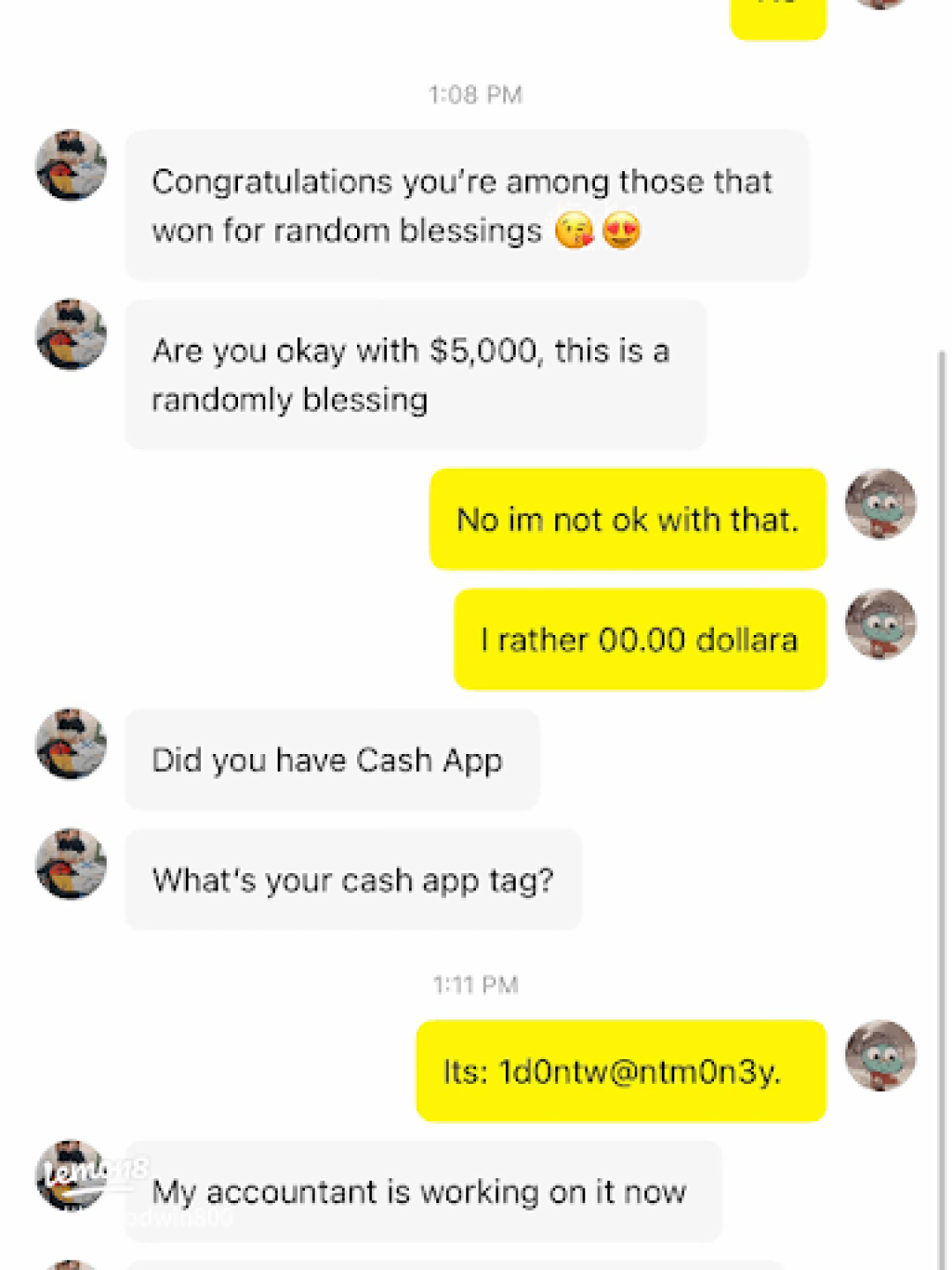
2. Fake #CashAppFriday Giveaways
Scammers hijack Cash App’s real promotional hashtags to create lookalike accounts. They inform targets that they’ve won a cash prize, but insist a small "verification fee" must be sent first to unlock the funds. Rule: Real giveaways never require an upfront fee to claim a prize.
Source: Lemon8
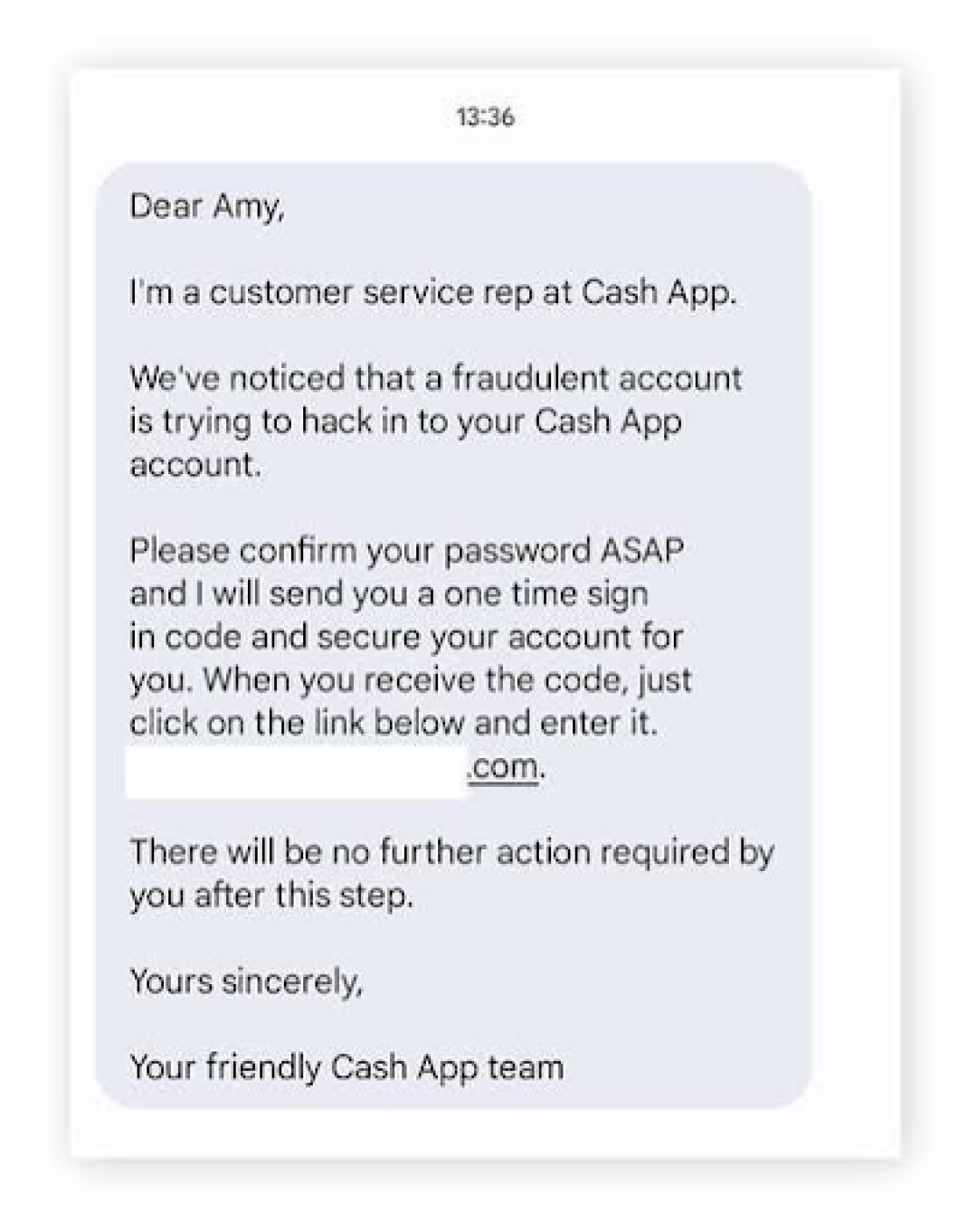
Scammers monitor public posts on platforms like Reddit or X for users complaining about Cash App issues. They message the victim posing as support agents, demanding sign-in codes, PINs, or password resets to drain the user's balance.
A scammer sends money using a stolen debit card and immediately messages claiming it was a mistake, asking for a direct refund. If you send the money back as a new transfer, the original stolen transaction is eventually reversed by the bank, leaving you out of pocket for the amount you returned.
A fake buyer or employer sends a bad check or fraudulent payment exceeding the agreed amount and asks you to refund the difference via Cash App. Days later, the initial deposit bounces, and you lose the "refunded" funds.
Fraudsters build trust through online relationships or promise massive crypto returns, directing you to buy and transfer Bitcoin via Cash App. Once sent, cryptocurrency transactions cannot be reversed.
Scammers post fake listings for rental homes, purebred pets, or vehicles at below-market prices, demanding a Cash App deposit to "hold" the item before an in-person meeting.
Given that 56% of Cash App scams originate on social platforms, treat every Cash App-related post, DM, or comment on social media as a potential scam until proven otherwise. This includes:
Cash App is a legitimate and widely used financial tool. The scams that target it are not a failure of the platform's technology; they are social engineering attacks that exploit human psychology. Urgency, greed, fear, and trust are the real vulnerabilities.
The $118.1 million lost in just the first quarter of 2025 is not an abstract statistic. It represents real people who were manipulated into sending money they couldn't get back. The CFPB's $175 million enforcement action against Cash App's parent company signals that regulators are paying attention, but regulatory pressure does not protect individual users in the moment a scam unfolds.
Your best protection is a combination of skepticism and verification:
Scammers rely on speed. They want you to act before you think. Taking 30 seconds to verify a link or a claim is often all it takes to avoid becoming part of next quarter's statistics.
Download the ScamAdviser app to check suspicious links and websites on the go, directly from your phone. Before you tap a link in a DM or text, run it through ScamAdviser to see whether it's associated with known fraud. It takes seconds and can save you hundreds or thousands of dollars.
Download ScamAdviser for free and add a layer of verification to every online transaction.

Adam Collins is a cybersecurity researcher at ScamAdviser who operates under a pseudonym for privacy and security. With over four years on the digital frontlines, he specialises in translating complex threats into actionable advice. His mission: exposing red flags so you can navigate the web with confidence.
