
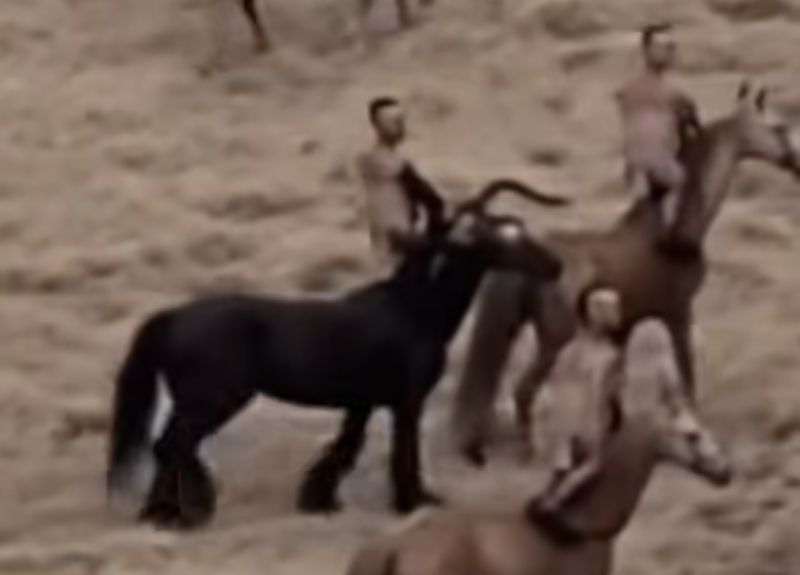
A mysterious TikTok video has recently caught the attention of many curious viewers. The clip is shared by the TikTok account @Mqyfrqxd and claims to show a strange creature discovered on an old tape found in a grandma’s attic, labeled “Himalaya 1996.” According to the video, the figure resembles Sagittarius, a centaur like being from ancient mythology. The description hints that this could be a cryptid sighting, leaving viewers wondering, could this be real, or is there more to the story?
At first glance, the claim is intriguing. The combination of an old tape, a remote and mysterious location like the Himalayas, and a forgotten attic discovery creates a powerful narrative. These elements are commonly used in so called “found footage” stories because they give the impression of authenticity while making verification difficult. The video itself appears grainy and dark, which further strengthens the illusion of age and secrecy.
However, when we slow down and look at the details more carefully, questions begin to appear.
The creature shown in the video resembles Sagittarius. Sagittarius is not a cryptid, nor is it an animal that has ever been claimed to exist in the real world. It originates from Greek mythology and is widely known as a symbolic figure, half human and half horse, associated with the zodiac. Unlike cryptids such as Bigfoot or the Yeti, which are at least theorized as undiscovered animals, Sagittarius has always been understood as a mythological concept rather than a biological entity.
This raises an important question: if the creature shown in the video looks like Sagittarius, which is based on mythology rather than zoology, why is it being framed as a cryptid sighting?
Another major element of the video’s appeal is the label “Himalaya 1996.” Using a past year immediately makes the footage feel rare and untraceable. Pairing that with the claim that it was found in a grandma’s attic removes the need for any supporting evidence, such as the original camera, filming details, or eyewitness accounts.
From an investigative standpoint, this is a classic tactic. Many viral hoaxes and misleading videos rely on vague origins and unverifiable sources to avoid scrutiny. Without any documentation, location confirmation, or third party validation, such claims remain stories not proof.
After reading the video description carefully, an important detail stands out. Beneath the caption, TikTok displays a notice stating “Contains AI-generated media”. This label is automatically applied by TikTok when its systems detect that a video was created or altered using artificial intelligence.
This changes everything.
If the platform itself flags the content as AI-generated, it strongly suggests that:
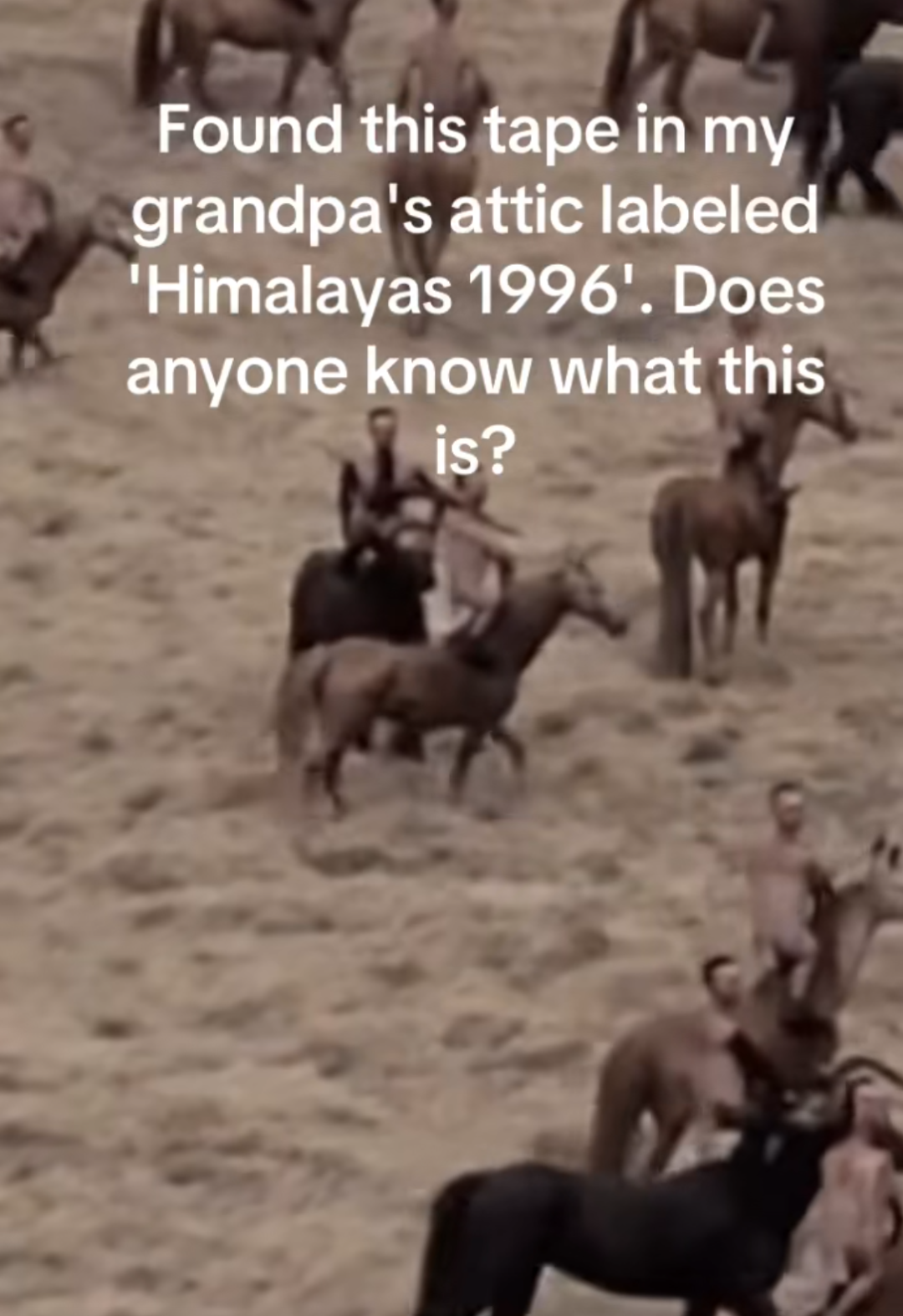
There are several reasons why this clip fits the pattern of AI-generated content:
In our view, this video is not real footage of a cryptid or unknown creature. Instead, it appears to be AI-generated content designed for storytelling and engagement. The creator likely used the “found footage” format because it works well on social media and encourages people to speculate and share.
That doesn’t mean the video is pointless or misleading by default, it can still be creative or entertaining. But it should be viewed as fiction or digital art, not evidence of a real cryptid sighting.
The “Himalaya 1996” Sagittarius video is a great example of how convincing AI-generated media has become. While the story is intriguing and the presentation feels mysterious, the facts point clearly toward digital creation rather than a real discovery.
As AI content continues to spread online, it’s more important than ever to:
Mystery is fun but clarity keeps us informed.
