
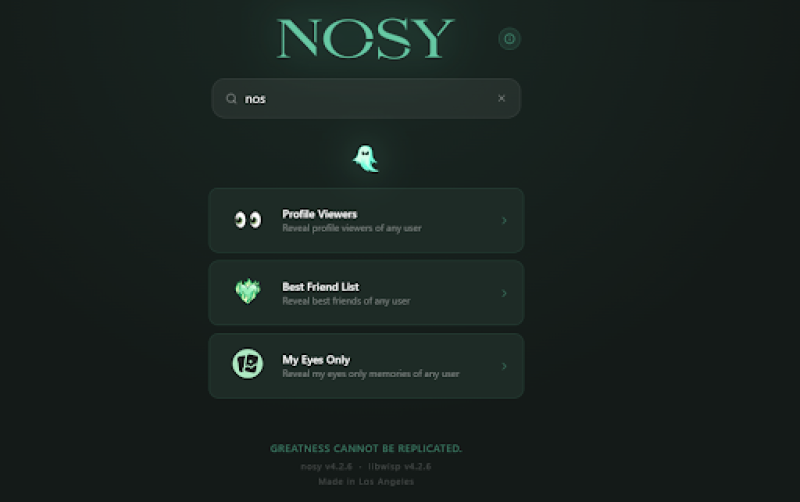
Nosypeek's pitch is specific: view any profile you want, see someone's best friends list, or pull up their memories. That's a tempting offer, and it's probably why you're reading this. So does any of it actually work? Short answer: no. Here's what happens when you try.
Before you can view anything, the site tells you that you need a key. It frames this as a supply issue: "Due to the high volume of traffic we're currently experiencing, all users are required to complete tasks to receive a unique key." That line is doing a lot of work. It makes an artificial barrier feel like a legitimate limitation, when it's really a paywall built out of ad clicks.
Once you agree to unlock a key, you're walked through a set of "offers" that have nothing to do with profiles, friend lists or memories. Examples seen on the site include a "Claim Your Instant Free Gift Card" step, where you sign up and hand over your details for a card that never shows up, and a "Score goals to get special offer" step, which is a mini game wrapped around a form asking for more of your information.
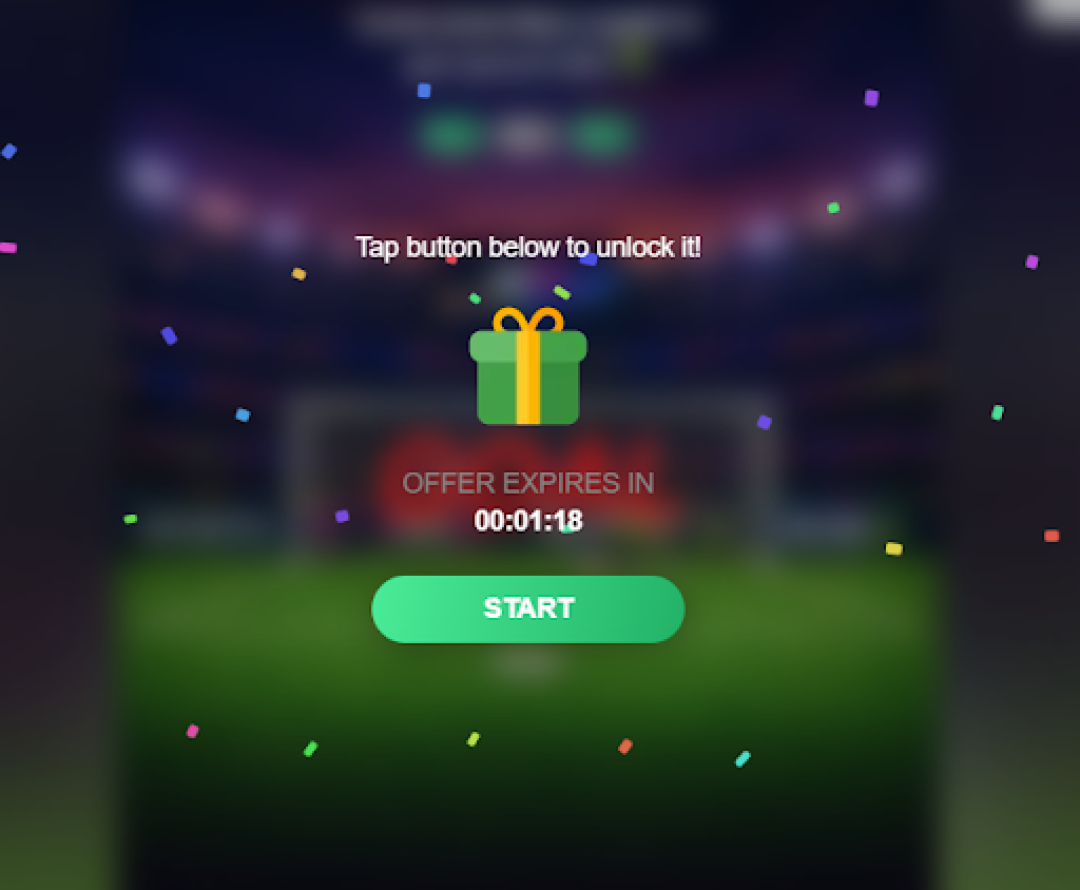
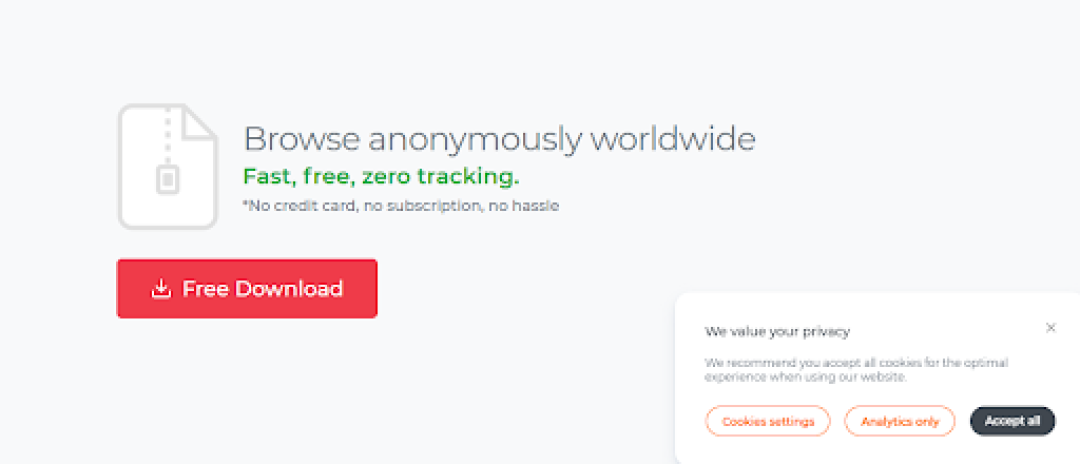
After marking those as complete, you're pushed into a "Kick" game to move to the next level. At the end of that chain, instead of a key or a profile viewer, you're redirected to a VPN app download page. No profile, no best friends list, no memories. The thing you came for never appears, because it was never really available.
No. There's no functioning tool anywhere behind the key system that pulls private profile data, friend rankings or saved memories from any platform. Those specific promises exist because they're exactly what people search for and click on. Every step you complete is an ad placement that pays the site operator, not a step toward the feature it advertised.
The gift card offer, the quiz form, the mini game and the final VPN download are all affiliate placements. Nosypeek gets paid for every visitor who completes them, whether or not that visitor gets anything back. Dressing this up as a key system and a fake traffic shortage is meant to make you feel like you're earning access, rather than just generating ad revenue for a stranger.
ScamAdviser recommends caution on this domain as well.
That matches the pattern of sites that dress up affiliate offer chains as a feature or a reward system rather than disclosing what they actually are.
Any site that asks you to complete a handful of simple steps before it'll give you something valuable in return is worth treating with suspicion. Real services don't gate their core function behind gift card sign-ups and mobile games. If the reward for your effort keeps moving further away with each step you complete, that's the design working as intended, not a glitch.
Download the ScamAdviser app today!
This article has been written by a scam fighter volunteer. If you believe the article above contains inaccuracies or needs to include relevant information, please contact ScamAdviser.com using this form.
Adam Collins is a cybersecurity researcher at ScamAdviser who operates under a pseudonym for privacy and security. With over four years on the digital frontlines, he specialises in translating complex threats into actionable advice. His mission: exposing red flags so you can navigate the web with confidence.
