
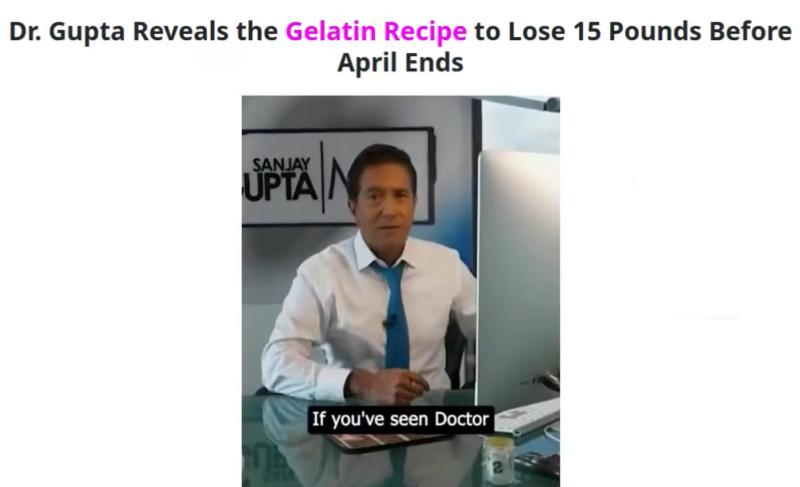
You can see that online platforms like Facebook, YouTube, and TikTok have been flooded with videos promoting a so-called “Dr. Sanjay Gupta gelatin recipe” for rapid weight loss. These videos often promise dramatic fat loss within days using simple kitchen ingredients. While the idea may sound appealing, a closer look reveals several questionable elements that users should carefully consider before trusting such claims.
Below is a detailed breakdown of what is being promoted and the potential red flags surrounding it.
The videos usually follow a similar pattern:
These messages are designed to grab attention quickly. However, the recipe itself is often never clearly explained, which raises early concerns.
One of the most notable issues is that viewers are told to watch the entire video or click through to another page to learn the secret. Instead of showing actual preparation steps, the content typically transitions into promoting a supplement or alternative product.
This pattern suggests that the gelatin recipe may simply be used as a hook rather than a genuine weight loss method. When the promised instructions are missing, it makes the claim appear less credible.
Many of these videos use the name of Dr. Sanjay Gupta to make the content appear medically trustworthy. Some versions also compare the claim with similar trends linked to Dr. Mehmet Oz or Dr. Jennifer Ashton.
However, there is no verified evidence that these professionals created or endorsed such gelatin based weight loss recipes. Using familiar medical names without clear verification is often considered a warning sign.
Another common element is a page designed to look like a medical article. These pages often include:
While these visuals create credibility, the logos frequently do not link to actual sources. This makes them appear decorative rather than verifiable. When trust indicators cannot be confirmed, their reliability becomes questionable.
These promotions often include:
However, many of these elements appear static, meaning they cannot be clicked, replied to, or verified. A lack of interaction features suggests the testimonials may not be from real users. This pattern is commonly seen in promotional content that prioritizes persuasion over transparency.
Another noticeable issue is how the content transitions. After building anticipation around the gelatin recipe, the page or video often shifts focus to a supplement. This change happens without ever providing the promised recipe. This type of transition can make the gelatin claim seem like a marketing setup rather than a genuine weight loss tip.
Another questionable element is the presence of multiple trust badges. These often include 100% Money Back Guarantee, certification seals, and an FDA Approved label. These graphics are meant to create confidence. However, clicking these badges usually leads nowhere. There are no certificates or verification documents. They appear to be simple images.
The FDA Approved claim is particularly concerning. The U.S. Food and Drug Administration does not approve dietary supplements in the same way it approves medications. It also does not provide approval badges or guarantee weight-loss results. When such labels appear without proof, the claims become questionable.
Another common element includes:
These urgency tactics are often used to encourage quick decisions. When combined with limited verifiable information, such pressure may signal questionable marketing practices.
Some videos appear to show Dr. Sanjay Gupta speaking directly about the gelatin recipe. However, reports indicate that certain clips may be edited using AI-generated audio or deepfake technology.
In fact, Dr. Gupta has publicly warned viewers that his likeness has been used in misleading promotional videos. He clarified that he does not endorse miracle weight loss products or similar claims.
These warnings are also reflected in a short video message where he cautions users about manipulated content using his image.
Another concerning element seen in these promotions is the use of logos from major media outlets such as The New York Times, CBS, ABC, Fox News, and CNN. These logos are displayed prominently to create an impression that the information has been featured or endorsed by well-known media sources.
However, clicking on these logos typically does nothing. They are not linked to any actual articles or references. This suggests that they are used purely for visual credibility rather than providing verifiable evidence.
The gelatin trend itself usually involves:
The idea behind this method is that gelatin contains protein, which may help increase satiety. Feeling fuller before meals could potentially reduce calorie intake. However, this is not the same as a fat burning solution. It is simply a dietary habit that might support portion control for some individuals.
Even when used as described:
Therefore, presenting gelatin as a standalone rapid weight loss solution appears unrealistic.
When evaluating similar claims, watch for:
These elements can indicate that the information may not be fully reliable.
Health professionals generally suggest:
These approaches are supported by evidence and are safer for long-term results.
The so-called “Dr. Sanjay Gupta gelatin recipe” appears to follow a pattern commonly seen in questionable weight loss promotions. The absence of a clearly defined recipe, the use of recognizable medical names, unverifiable testimonials, and shifting product promotions all raise concerns.
While gelatin itself can be part of a healthy diet, it does not appear to be a magic solution for rapid fat loss. Users are encouraged to approach such claims carefully, verify sources, and rely on evidence based health advice before trying any new weight loss method.
Disclaimer: This article has been written by a Scam Fighter Contributor. If you believe the article above contains inaccuracies or needs to include relevant information, please contact ScamAdviser.com using this form.
