
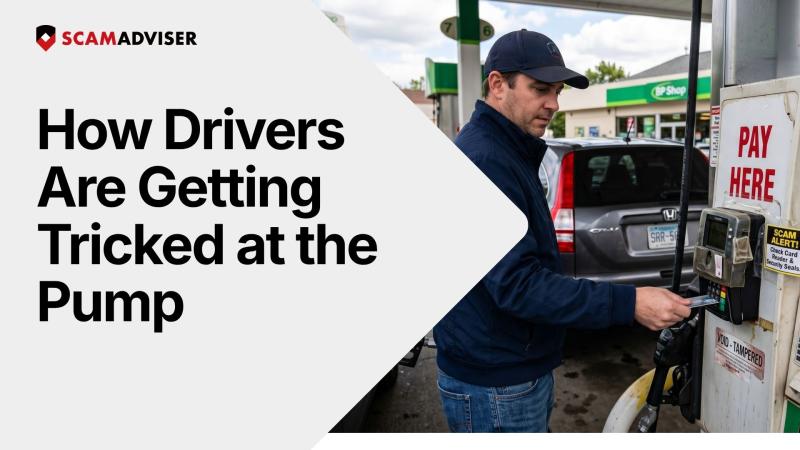
Gas stations are a prime target for fraudsters because drivers are often in a rush, distracted by phones, or navigating through a daily commute. While some methods are high-tech and others are purely physical, knowing what to look for can save you from a drained bank account
In a Nutshell
Card skimming attacks at payment terminals surged by 90% in 2025, according to FICO. Gas stations feel routine and safe — you swipe your card, pump your fuel, and drive away without a second thought. But that familiarity is exactly why scammers target them. Modern gas pump scams happen in seconds, turning a quick pit stop into a drained bank account.
Scammers target drivers through a mix of hidden technology and physical trickery, including card skimmers, deceptive helpers, and meter malfunctions. Thieves rely on the fact that you are distracted by your phone or the rush of your daily commute. By the time you realize something is wrong, the criminal has already harvested your financial data or used your open transaction.
The pump switching scam involves a deceptive stranger who keeps your transaction open so you unknowingly pay for their fuel. While this is a lower-frequency scam compared to digital theft, it relies on social engineering. You finish pumping, and someone at the next island offers to hang the nozzle back for you. Instead of returning it correctly, they keep the trigger engaged or prevent the sensor from clicking into "off" mode. While you drive off, they immediately fill their own vehicle using your still-active credit card authorization.
Thieves attach hardware to the payment terminal to steal your card data. Skimmers sit over the magnetic stripe reader to capture the swipe, while the shimmer scam involves paper-thin inserts hidden deep inside the chip slot. Many of these devices are almost invisible and blend perfectly with the pump's plastic casing, making them nearly impossible to see without a physical inspection.
The gas pump meter scam (or phantom pumping) happens when the machine continues charging you even after the fuel stops flowing. You release the handle, but the digital display keeps ticking upward. While often a result of poor maintenance or air in the lines rather than a deliberate "hack," it still forces you to pay for fuel you never received. If you catch the numbers moving without fuel coming out, stop immediately and alert the attendant.
Some stations use deceptive roadside signs that advertise a cheap cash price, while the actual pump charges a much higher credit card rate. You pull in expecting a deal, but the pump defaults to the higher tier. This pricing discrepancy happens entirely in the background if you aren't paying attention. Always verify the price displayed on the pump screen before you select your fuel grade.
The biggest red flags at a gas pump are physical signs of tampering or unexpected human interference.
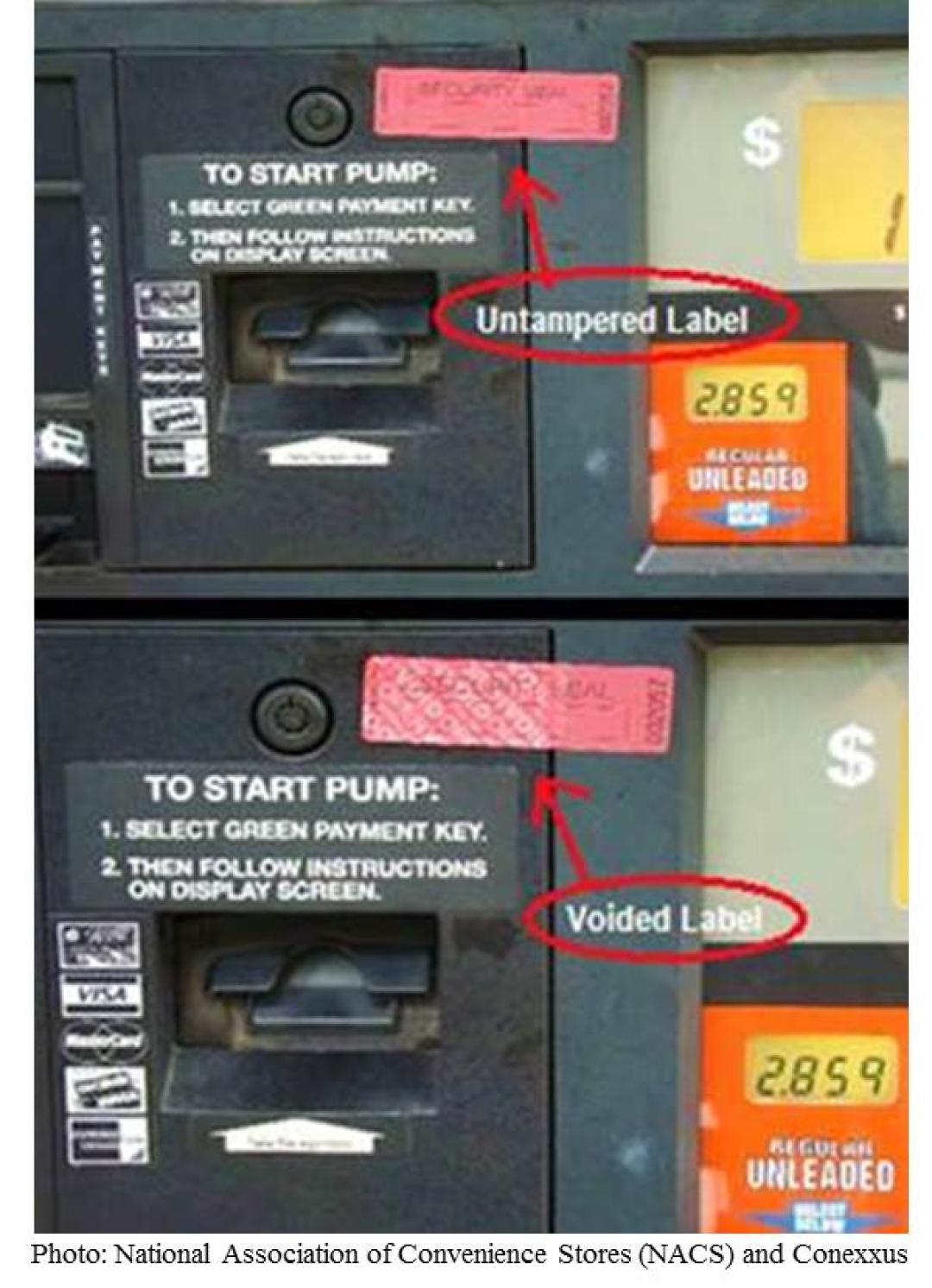
Knowing how to spot a scam starts with looking out for these warning signs:
You can protect yourself by treating the gas pump like an ATM and maintaining strict physical awareness. Use these practical prevention tips every time you fill up:
If you suspect you were scammed, you must immediately cut off the scammer's access to your money:
ScamAdviser acts as your second-line defense when physical gas station fraud turns into a digital trap. Scammers often follow up a physical theft by texting you links to fake refund portals or spoofed banking sites to steal your login credentials. You can use ScamAdviser to verify these suspicious URLs before you click.
Myth vs Reality
Myth Reality “Chip cards stop all gas scams” Shimmers can still target chip payments to clone magnetic data. “Pump switching happens to everyone” It is actually low frequency; modern pumps have better sensors. “Helpful strangers are just being nice” Some use distraction tactics to steal fuel on your open tab. “Gas station scams are rare” They are increasing and becoming harder to spot visually.The Bottom Line
Routine environments naturally lower your suspicion, making the gas station the perfect hunting ground for fraudsters. When you are rushing to work or eager to get back on the highway, small distractions create expensive mistakes. A quick tug on a card reader or a firm "no thank you" to a stranger takes exactly two seconds, but it saves you weeks of fighting with your bank.
At the gas pump, distractions are often the scam.
Frequently Asked Questions
Can I get my money back if my debit card is skimmed at a gas pump?
Yes, but you must report the fraud to your bank within two days to limit your liability to $50. After that, your liability can jump to $500 or more.
Why does the gas pump charge a $100 hold on my credit card?
Gas stations place a temporary authorization hold to verify your card is valid before dispensing fuel; this usually drops off within 48 to 72 hours.
How do I know if a gas pump security seal has been tampered with?
A tampered security seal will appear sliced down the middle or show the word "VOID" across the sticker.
Is it safer to pay inside the gas station?
Yes. Paying inside directly with the cashier bypasses the external card readers entirely, drastically reducing your risk of encountering a skimmer or shimmer.
Adam Collins is a cybersecurity researcher at ScamAdviser who operates under a pseudonym for privacy and security. With over four years on the digital frontlines, he specialises in translating complex threats into actionable advice. His mission: exposing red flags so you can navigate the web with confidence.
