
In a Nutshell
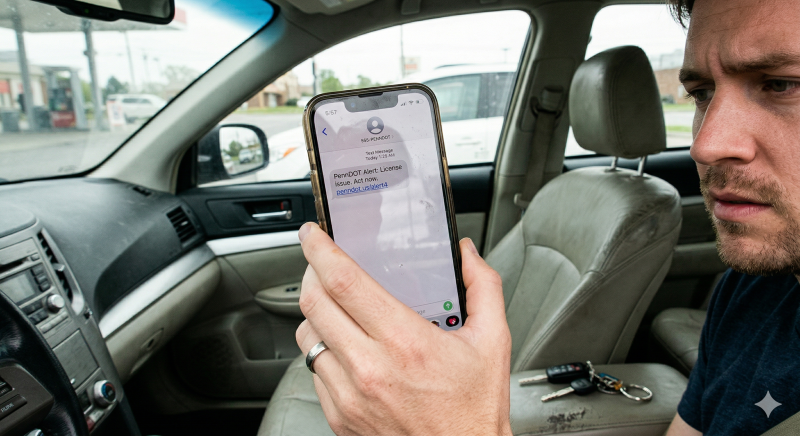
In March 2026, the Pennsylvania Department of Transportation (PennDOT), the Pennsylvania State Police (PSP), and the Pennsylvania Turnpike Commission issued a joint warning regarding a massive surge in fraudulent text messages. Scammers are currently targeting thousands of Pennsylvania drivers with "smishing"—a form of SMS phishing—designed to steal your identity and money. If you have received a message claiming your driving privileges are at risk, you are likely the target of a coordinated PennDOT Phishing Text Scam.
These messages often appear to come from the "Commonwealth of Pennsylvania Motor Vehicles (DMV)" or "PennDOT" directly. They claim that your license or vehicle registration will be suspended within 30 days unless you pay a fine or toll violation immediately. You are being pushed into a high-pressure situation designed to make you act before you think.
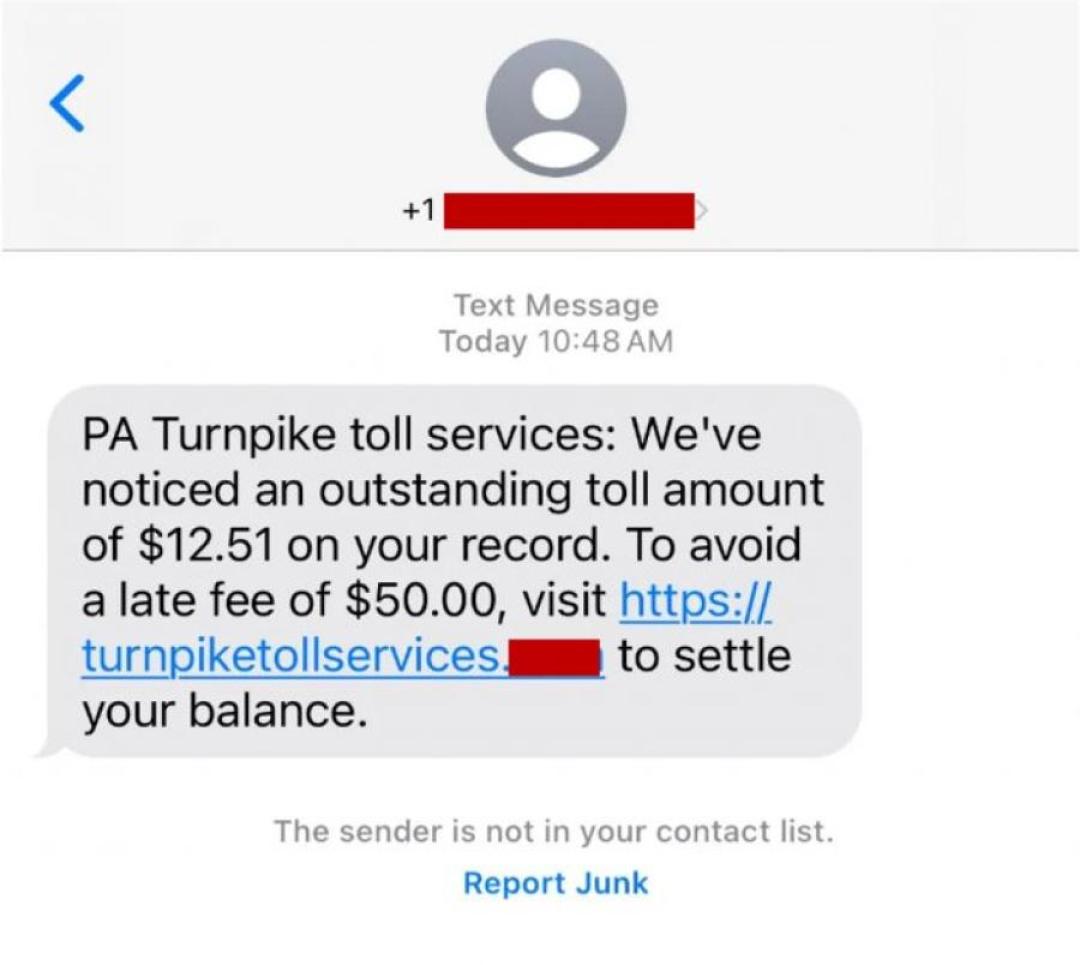
Scammers use a psychological trick called "forced urgency" to bypass your natural skepticism. The text warns you that your license is "pending suspension" or that you must "pay immediately" to avoid legal prosecution. By creating a 30-day deadline, the criminal hopes you will click the included link to resolve the issue quickly.
The link inside the PennDOT Phishing Text Scam leads to a sophisticated phishing page—a website that looks identical to a government portal. Once there, the site prompts you to enter your name, address, driver’s license number, and credit card information. Every piece of data you enter is captured by the scammer for identity theft or unauthorized financial charges.
PennDOT confirmed in their March 2026 alert that they do not use text messages to communicate with customers. All official notifications regarding your driving record, vehicle registration, or license status are sent through the U.S. Postal Service. If the state needs to contact you about a suspension, you will receive a physical letter on official letterhead.
This rule is your strongest defense against government impersonation scams. If you receive a text claiming to be from a state agency, you can safely assume it is fraudulent. Delete the message immediately and do not call any numbers provided in the text.
A common variation of this scheme involves fake PA Turnpike alerts. These messages claim your E-ZPass account has been suspended due to "unpaid tolls" and direct you to a fraudulent payment portal. These Pennsylvania DMV phishing tactics have escalated nationwide since 2024, as documented by the FBI and FTC.
The PA Turnpike Commission will never demand payment through a link sent in a random text message. To check your actual account status, use the official PA Toll Pay app or log in directly at the PA Turnpike website. Avoid using links from texts, as they often lead to "clone sites" that look legitimate but are hosted on foreign servers.
If you are genuinely concerned about your driving status, use official channels to verify the information. You can check your driving record or vehicle registration status at any time by visiting the official PennDOT Driver; Vehicle Services portal at pa.gov. This is the only way to ensure you are viewing accurate, real-time data from the state.
You can also contact PennDOT directly by calling 717-412-5300 to speak with a representative. This allows you to bypass the scammer's infrastructure entirely and get the facts from a human expert. For more information on identifying these threats, see our guide on How to Spot a Smishing (SMS Phishing) Scam.
If you have already clicked the link and entered your information, you must take immediate action. Contact your bank or credit card issuer to report the fraud and cancel any compromised cards. They can help you flag your account for suspicious activity and reverse unauthorized charges.
You should also place a fraud alert with the three major credit bureaus: Equifax, Experian, and TransUnion. This prevents scammers from opening new lines of credit in your name using your stolen license number. Finally, report the PennDOT Phishing Text Scam to the FBI’s Internet Crime Complaint Center (ic3.gov) and the FTC to help authorities track the campaign.
Staying safe requires you to treat every unsolicited government text as a threat until proven otherwise. Skepticism is your best tool for protecting your financial life and your identity. Official government agencies will never text you to demand immediate payment under the threat of license suspension.
Adam Collins is a cybersecurity researcher at ScamAdviser who operates under a pseudonym for privacy and security. With over four years on the digital frontlines and 1,500+ days spent deconstructing thousands of fraud schemes, he specialises in translating complex threats into actionable advice. His mission: exposing red flags so you can navigate the web with confidence.
