
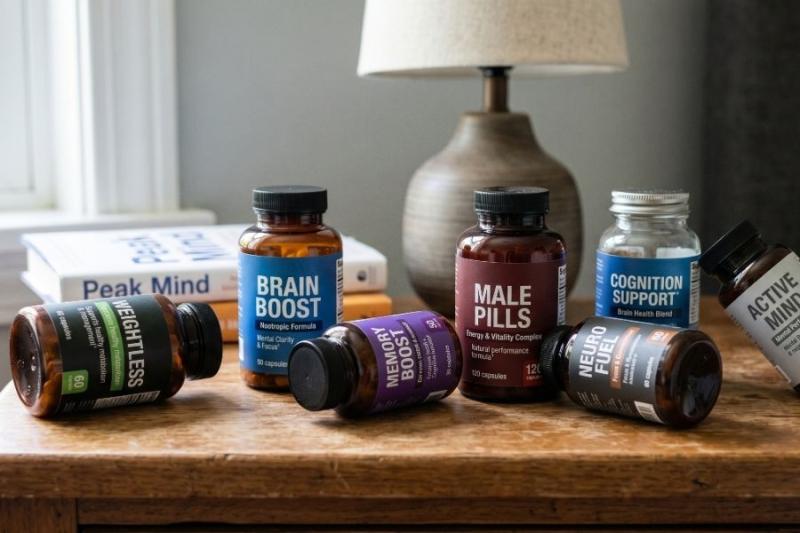
Scroll through YouTube or Instagram long enough and you will find a video with thousands of views promising a supplement that fixes your memory, your gut, your joints, or your blood sugar in a few weeks. The host looks credible. The comments are full of people saying it changed their life. The "doctor" in the video has a white coat and a calm voice.
In a Nutshell
A growing number of these videos are ads for products that do not work, are not approved, and in some cases are not even safe. At ScamAdviser, we have reviewed several of these supplements after readers asked us to check them out, including Brain Savior, DentiCore, and Lumvelle. The pattern across all three is the same: a slick video, a story about a "secret" the medical industry is hiding, and a checkout page designed to get your card number before you have time to think.
Here is how to recognize a supplement scam before you become the next testimonial.
Ten years ago, a fake supplement needed a fake infomercial or a spam email. Now it just needs one creator with a following, a script, and an affiliate link.
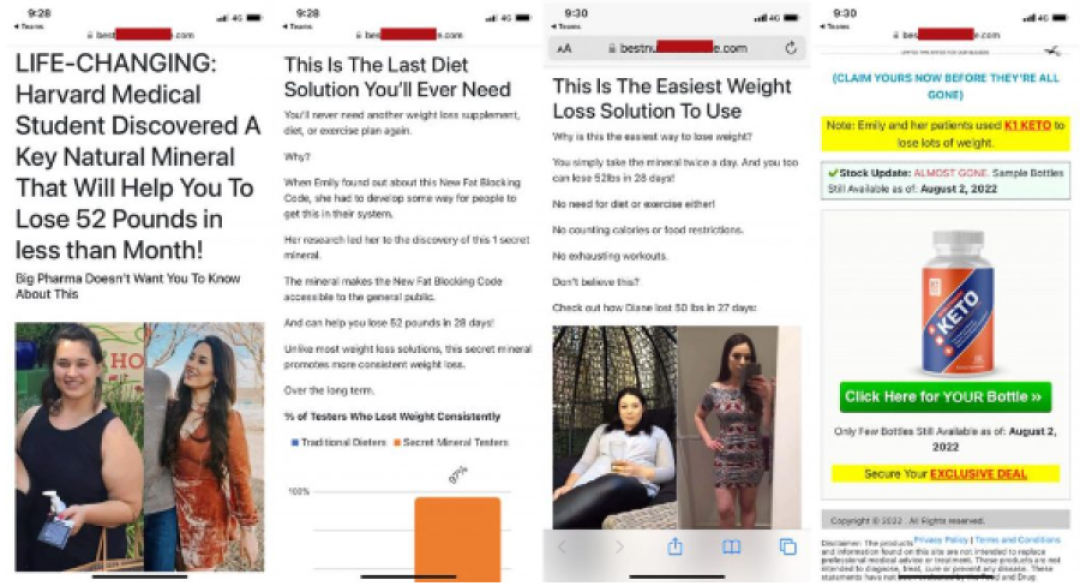
These videos work because they borrow trust the creator built doing something else entirely. Someone who normally reviews skincare or talks about fitness suddenly has a "miracle" they swear by. The audience already likes them, so the guard is already down. Add a few thousand views and the product looks validated by sheer popularity, even though view count has nothing to do with whether something works.
Many of these campaigns also run as paid ads disguised as personal recommendations, with no clear disclosure that the creator was paid or given free product. That is not just bad practice. In several countries it breaks advertising law.
The influencer problem has gotten worse because of two things that did not exist at scale a few years ago: AI generated video and disposable e-commerce sites.
Fake endorsements used to mean a stock photo of someone in a lab coat. Now scammers can generate a deepfake of an actual, well known doctor saying things that doctor never said. One widely circulated example used a fabricated video of Dr. Jennifer Ashton appearing to endorse a "gelatin trick" for weight loss.
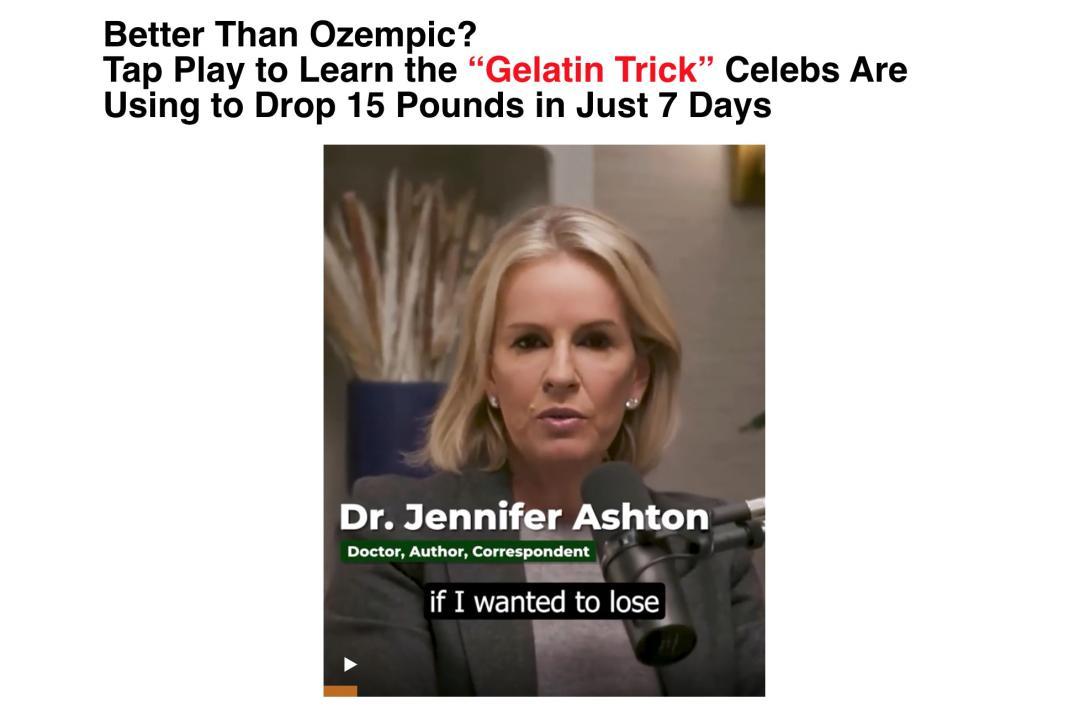
Example of Dr Jennifer clip
She never said it. The clip was built using her real face and voice, lifted and altered from past broadcast footage, then paired with a product link. People trusted it because they recognized her, not because anyone checked if the claim was real.
This is becoming a standard scam template: take a recognizable medical face, generate audio and video that sounds like them, and attach it to whatever product is being pushed that month. If a doctor in a video seems to be recommending a specific supplement by brand name, search for the claim separately before trusting the face.
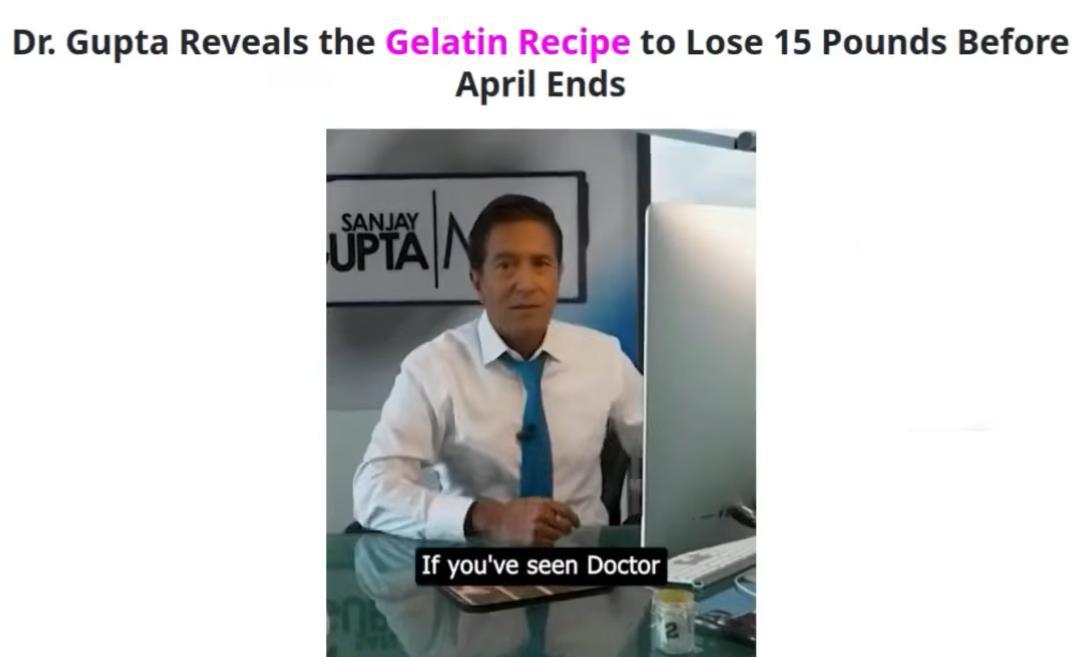
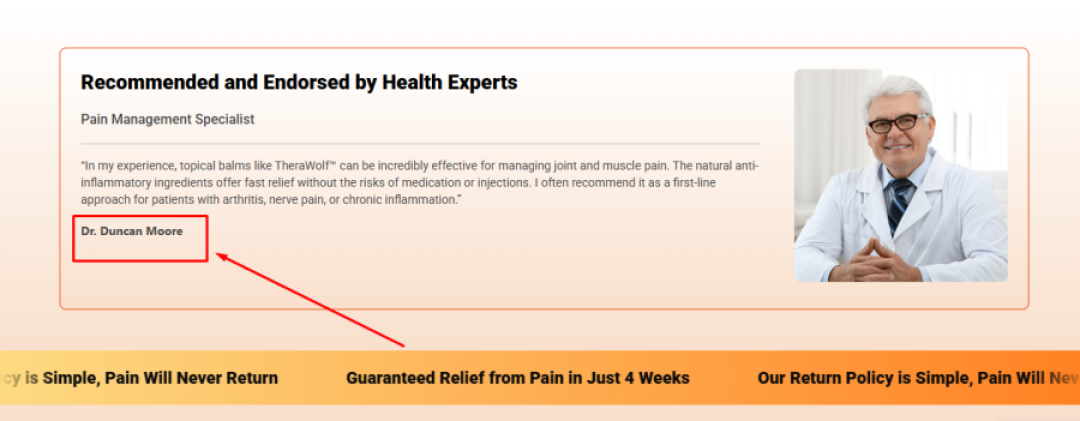
On the seller side, a lot of these products are not even run by a company in the traditional sense. Someone builds a website in a weekend using AI page builders and a dropshipping template, names it something vaguely clinical like try-edenlabs.com or buy-this.com, connects it to a supplier overseas, and starts running paid social ads the same day. There is no warehouse, no quality control, and often no real business behind the domain at all. When the ads stop converting or complaints pile up, the site disappears and a new one goes up under a different name with the same product photos.
This setup is exactly why these scams move through social media so fast. According to FTC data, consumers lost $2.1 billion to social media scams in 2025, an eightfold increase since 2020. Shopping scams, including orders placed for unverified health products after seeing a viral ad, are now the single most frequently reported fraud type on these platforms.
The science behind the claims is just as thin as the websites hosting them. A study published in The BMJ reviewed trending social media nutrition and supplement content and found that only 2.1% of the advice given by influencers was actually based on public health guidelines. The same research that looked at more than 100 supplements heavily promoted by fitness and health influencers found that two-thirds exceeded national safety recommendations, and 7% blew past the European Food Safety Authority's upper safe limits entirely.
Part of the reason this is allowed to happen at all comes down to regulation. Under the Dietary Supplement Health and Education Act, supplement manufacturers are not required to prove safety or effectiveness to the FDA before selling a product. That gap is what dropshippers and influencer marketers are exploiting. Nobody has to prove anything works before it ships.
It is easy to think of a fake supplement as a wasted purchase. The bigger risk is what is actually inside the bottle.
Peer-reviewed data published in PMC estimates that around 23,000 people end up in emergency rooms every year because of supplement related adverse events. Since 2007, the FDA has identified more than 1,050 tainted dietary supplements sold openly online. Many of these operations use illicit pill presses, sometimes imported through international mail, to cut supplements with undisclosed pharmaceutical drugs that force a noticeable effect fast, which is exactly what gets a product praised in a testimonial.
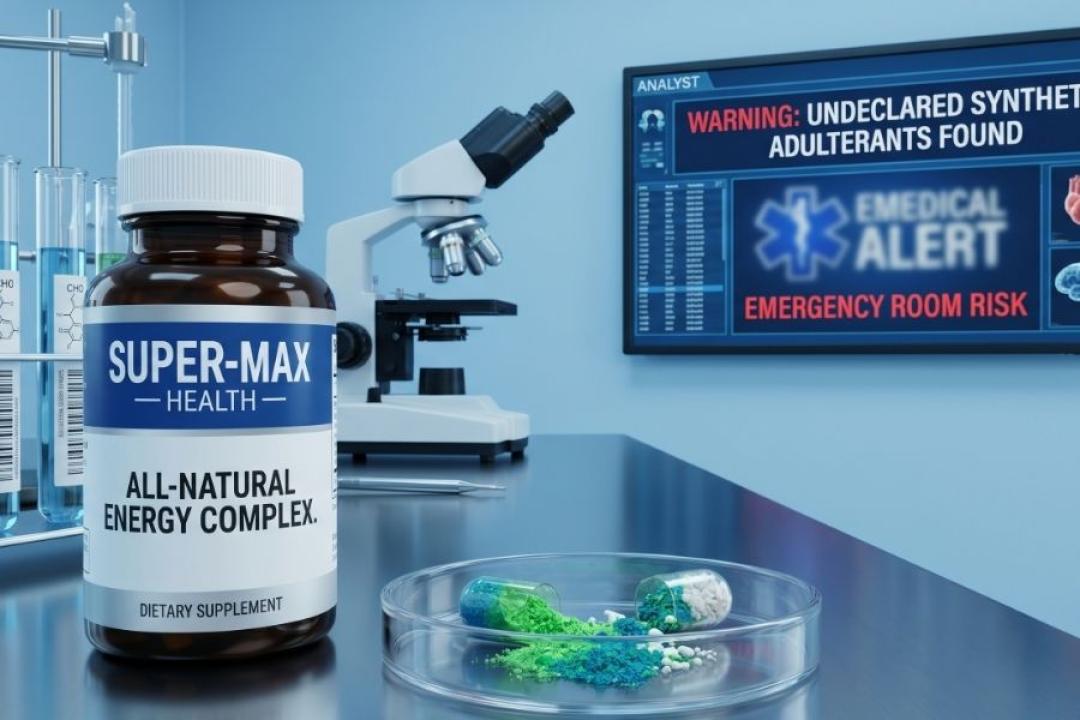
Adulterants found in fake supplements include:
None of this shows up on the label. It shows up in a lab test the seller is hoping nobody runs.
After reviewing dozens of these products, a few warning signs come up so often that you can treat them as a checklist.
A few minutes of checking can save you the cost of the product and the headache of a dispute with your bank afterward.
~ Search the product name plus the word "scam" or "review" and see what comes up beyond the seller's own site. If the only positive coverage is the brand's own blog and influencer videos, that is a gap worth noticing.
~ Look up the company on a site checker. At ScamAdviser, our tool scans how old a domain is, where it is hosted, and whether it matches patterns seen in known scam networks. A site built two weeks ago with no real business address behind it is not a place to hand over your card details.
~ Check the ingredient list against the actual claim. If a memory supplement lists a handful of common herbs at unclear doses, search each one individually. Real research on real ingredients is publicly available, and the dose matters as much as the ingredient itself.
~ Check the FDA's Health Fraud Product Database. The FDA keeps a running list of products that have been cited in official warning letters for false or dangerous health claims. It will not catch every bad product, but it is a fast way to catch the worst ones.
~ Look for the seller on platforms outside their own website. A supplement that is genuinely trusted will usually be sold through more than one retailer and have a visible business presence, not just a checkout page and a YouTube ad.
Contact your card provider and ask about a chargeback if the product was misrepresented or never arrived as described. Report the listing or video to the platform it appeared on, since most platforms have a process for flagged health claims. And if you spot one of these schemes, send it our way so we can check it and warn others before they fall for the same script.
Catching a scam before you pay is far easier than getting your money back after.
When a new supplement website starts showing up in YouTube ads or Instagram posts, our team reviews it the same way we would any other online store. We check how old the domain is, where it is hosted, whether the company behind it has a verifiable address, and whether the site matches patterns we have already seen in known scam networks. That review work is what produced our reports on Brain Savior, DentiCore, and Lumvelle, and it is ongoing for new products as they appear.
See More Reviews:
You can run the same kind of check yourself with our free website checker. Paste in the supplement site's URL before you buy, and it will flag warning signs like a freshly registered domain, hidden ownership details, or a hosting pattern tied to other scam sites we have already flagged.
If you come across a supplement ad that feels off, whether it is a deepfake of a doctor, a dropshipping site with no real business behind it, or a product making claims that sound too broad to be true, send it to us. Reports from readers are often how we catch a scam early, before it has the chance to rack up thousands more views and victims.
What are the red flags when buying supplements?
Claims that cover too many unrelated health issues, vague mentions of studies with no source, pressure to buy a large bundle upfront, and a checkout page that is the only place you can buy the product.
How do I check if a supplement is authentic?
Look up the manufacturer independently, check the ingredient list against published research, and see if the product appears on retailers other than the seller's own site.
How do I know if a supplement is reputable?
A reputable supplement has a verifiable manufacturer, ingredients you can independently research, and reviews that exist outside the seller's own marketing.
How do I avoid fake supplements?
Buy from established retailers rather than a link in a video description, check the seller through a site scanner first, and be skeptical of any product that claims to fix several unrelated problems at once.
The fastest way these scams spread is trust borrowed from someone you already follow. The fastest way to stop falling for them is to treat every "I swear this changed my life" video the same way you would treat a stranger's sales pitch, because that is exactly what it is.
This article has been written by a scam fighter volunteer. If you believe the article above contains inaccuracies or needs to include relevant information, please contact ScamAdviser.com using this form.
Adam Collins is a cybersecurity researcher at ScamAdviser who operates under a pseudonym for privacy and security. With over four years on the digital frontlines, he specialises in translating complex threats into actionable advice. His mission: exposing red flags so you can navigate the web with confidence.
