
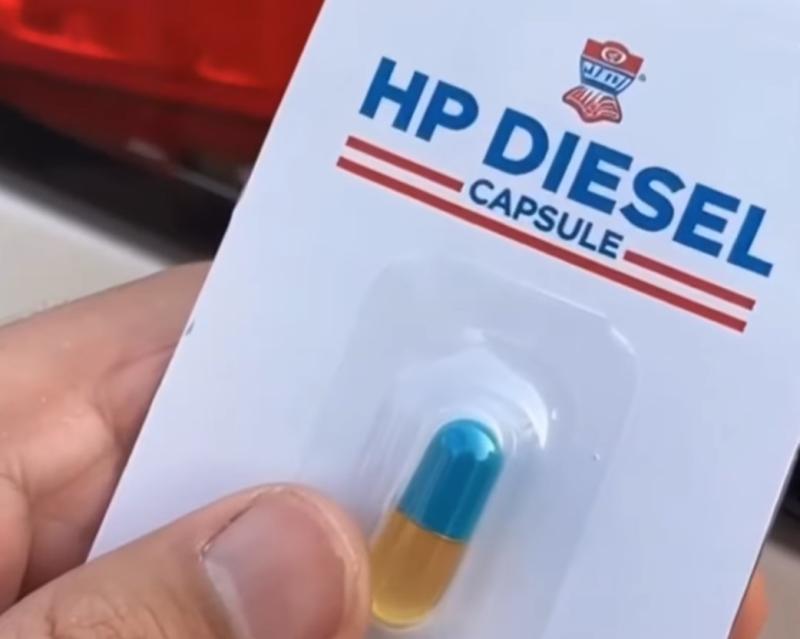
Videos showing unbelievable fuel hacks continue to circulate widely on social media. One of the latest trends shows clips suggesting that a product often called an HP Diesel Capsule can convert water into usable diesel when added to a vehicle’s fuel tank. These videos imply that vehicles can run normally using this method, raising curiosity and confusion among viewers.
Because such claims involve vehicle safety and fuel technology, it is important to separate visual demonstrations from verifiable facts.
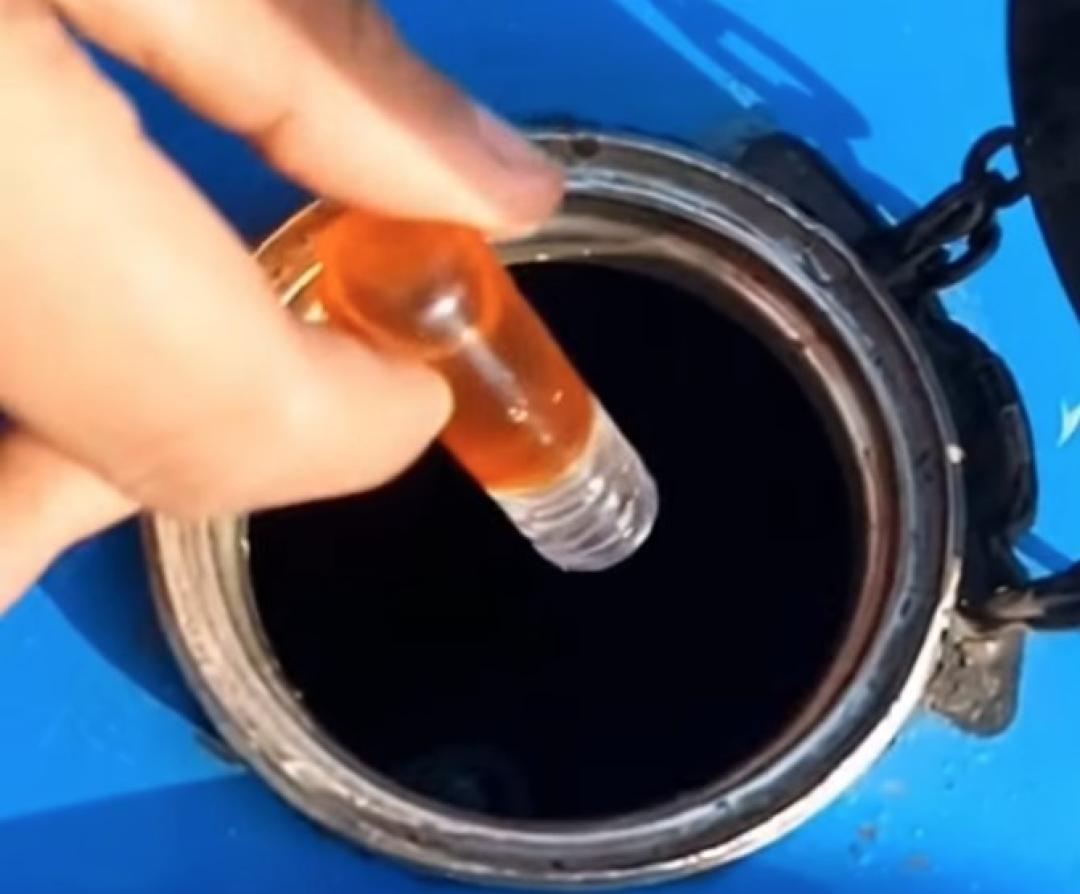
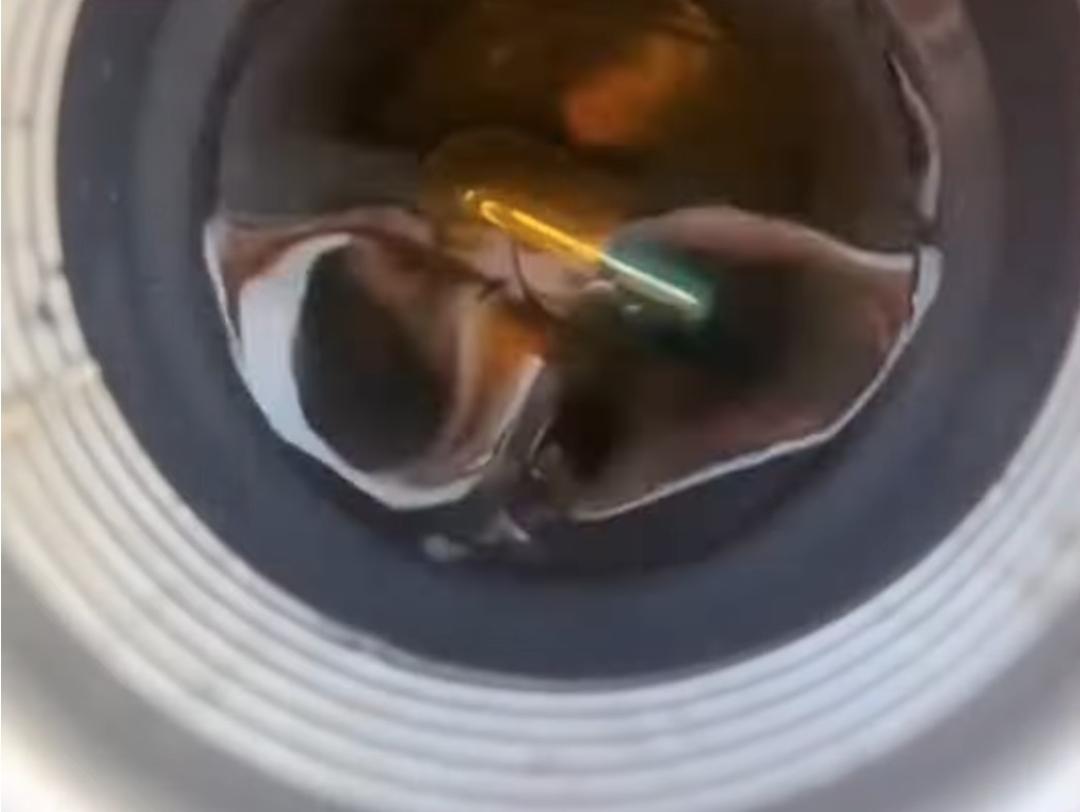
Although the clips differ in style and presentation, the central message is consistent. The videos typically show water into a vehicle fuel tank, followed by the addition of a capsule identified as an HP Diesel Capsule. Viewers are then shown a color change in the liquid and are led to believe that the water has transformed into diesel. In some cases, vehicles are shown running, while in others the result is simply claimed.
The presentation suggests a breakthrough in fuel technology, but no technical explanation or credible testing is provided.
There is no publicly available evidence from fuel companies, automotive manufacturers, scientific institutions, or regulatory bodies confirming the existence of a capsule that can convert water into diesel. Innovations in fuel technology are normally supported by patents, controlled testing, and official announcements.
In this case, none of these forms of verification are present, making the claim unreliable.
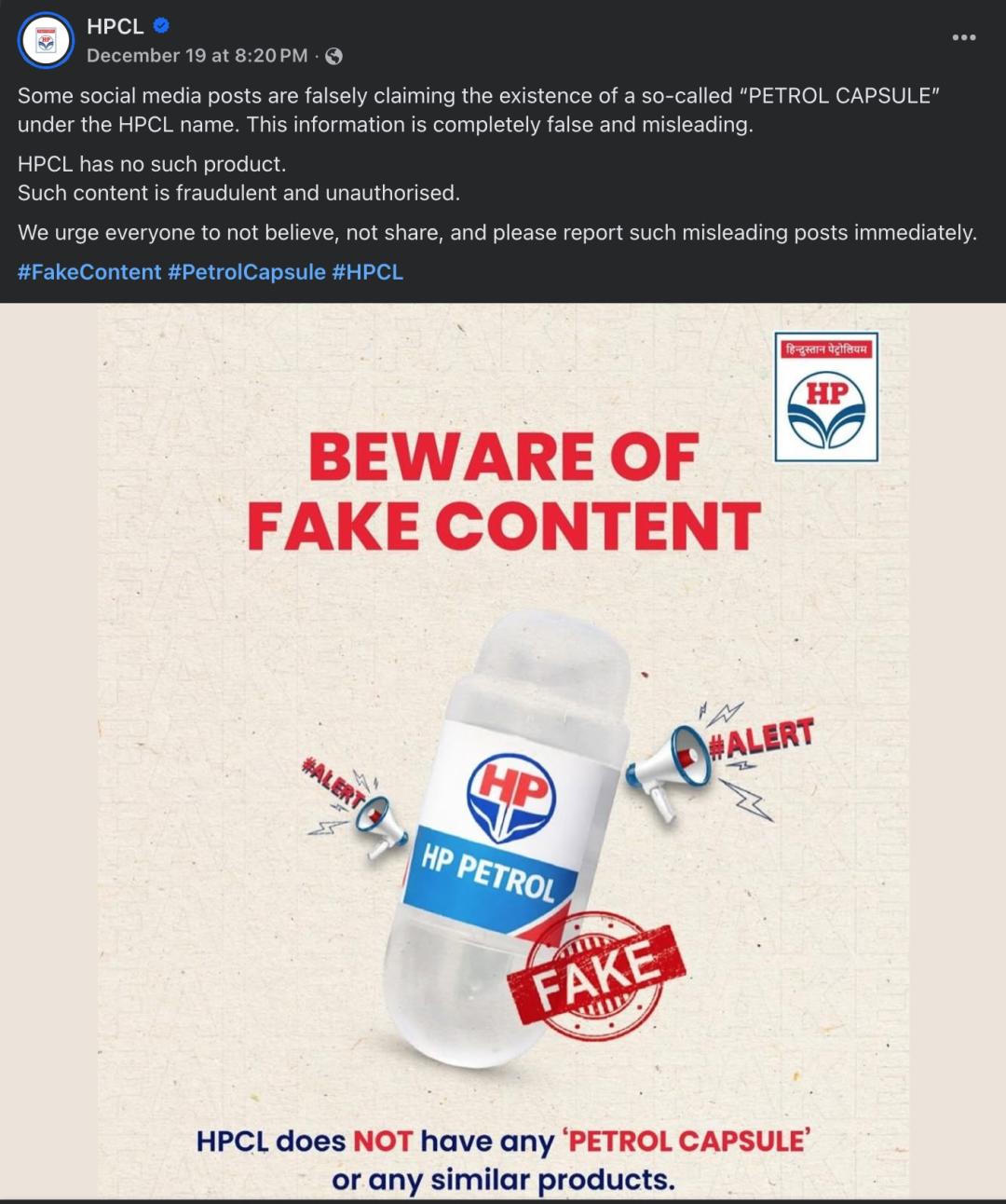
To address the confusion created by the use of the “HP” name, Hindustan Petroleum Corporation Limited (HPCL) has already issued a clarification through its official Facebook account. HPCL stated that it does not sell or endorse any product that converts water into fuel.
The company confirmed that there is:
This official statement directly contradicts the claims being promoted in viral videos.
Diesel fuel is produced from crude oil through complex refining processes involving specialized equipment and controlled conditions. Water, by contrast, is not a fuel and cannot provide the energy required to power a diesel engine.
Turning water into diesel would require advanced chemical processes and significant external energy. Such a transformation cannot occur inside a vehicle’s fuel tank, nor can it be initiated by a small capsule.
Some viewers may assume the capsule is a type of fuel additive. While legitimate diesel additives do exist, their role is limited to cleaning injectors, reducing deposits, or improving fuel stability. They do not create diesel, nor do they allow engines to run on water.
Any claim suggesting otherwise goes beyond the purpose of real world additives.
In real automotive scenarios, water entering a diesel tank is considered a serious issue. It can lead to poor combustion, engine hesitation, injector damage, and corrosion within the fuel system. This well known risk further highlights why the idea of water functioning as diesel is unrealistic.
A key detail often overlooked is that many of these videos are AI-generated or digitally created. In several cases, creators mention this in the video descriptions. However, because most viewers focus only on the visuals, these disclaimers are missed, and fictional demonstrations are mistaken for real experiments.
Claims involving fuel capsules are not new. Earlier viral content about an HP Petrol Capsule was previously examined and debunked after failing to provide any scientific or official support. The current diesel capsule narrative follows the same pattern, repackaged with different visuals.
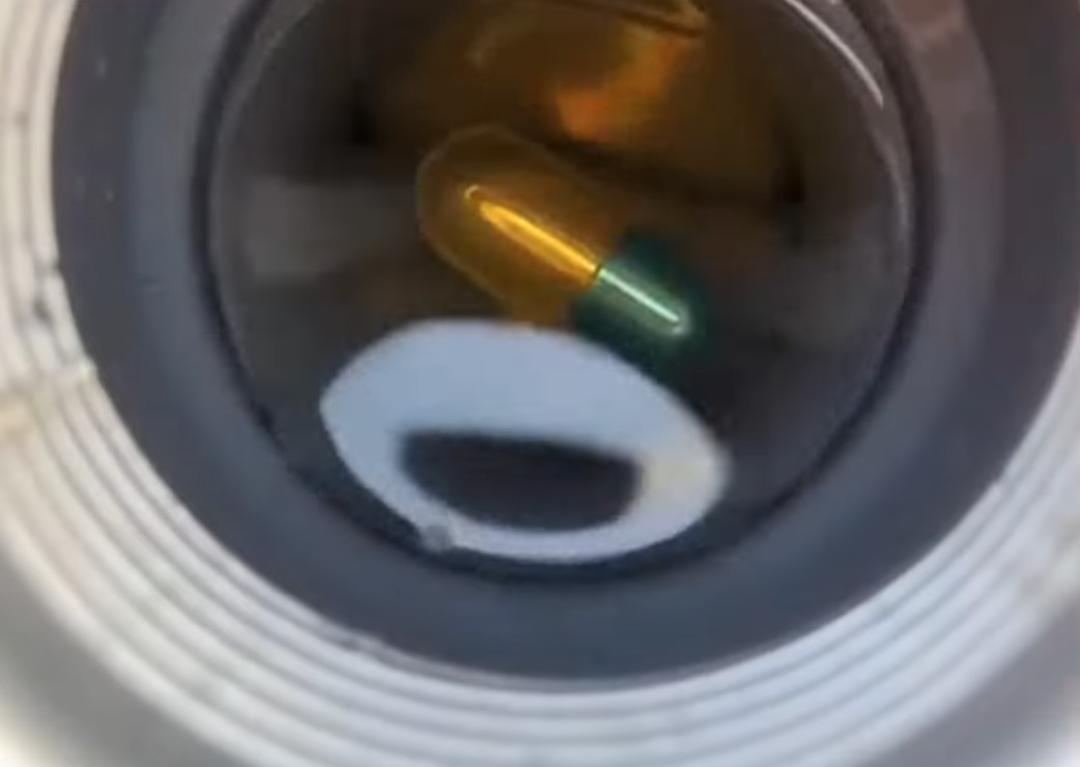
There is absolutely no verified evidence to support the existence of an HP Diesel Capsule that can convert water into diesel fuel. The claim is entirely inconsistent with established scientific principles, as water cannot be transformed into diesel under normal conditions, and no credible research or technical testing has ever demonstrated such a process. Additionally, the company that these videos reference, HPCL, has officially denied the existence of any product like this, making it clear that the so called HP Diesel Capsule is not a legitimate product.
Many of the viral videos promoting this idea are misleading, often created using AI-generated content or digital effects to simulate a working demonstration. These videos are designed to appear convincing, but they do not provide any reliable evidence.
Until transparent laboratory testing, independent verification, and official confirmation from recognized authorities are publicly available, these claims should be viewed with extreme skepticism. Viewers and consumers are strongly advised not to trust or experiment with such products, as acting on unverified claims could lead to financial loss, vehicle damage, or other risks.
