
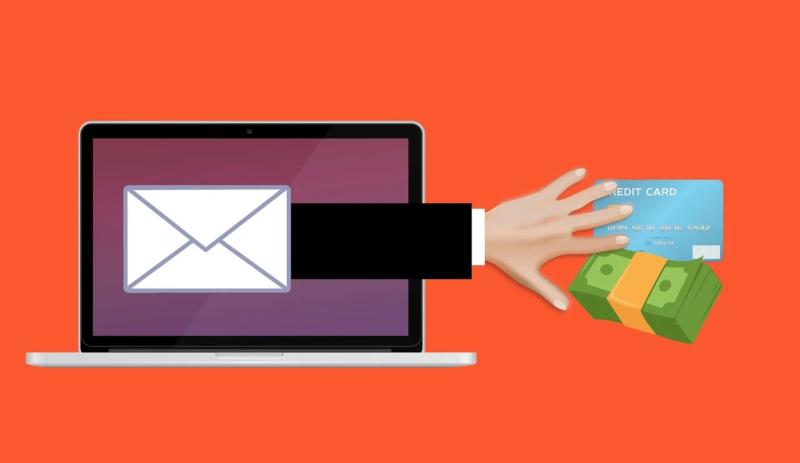
Recently, many people across the internet began reporting a strange and threatening email connected to the HungerRush platform. The message quickly raised concerns because it appeared to involve a possible data breach or extortion attempt. Restaurant owners, employees, and even ordinary customers who had previously ordered food online reported receiving similar emails.
This situation has triggered discussions in cybersecurity communities and on social platforms, with many users wondering whether the email is a real security threat or simply another mass scam attempt. Understanding what this message is, why it was sent, and how people should respond is important for anyone who encounters it.
HungerRush is a technology platform widely used in the restaurant industry. It provides tools such as point-of-sale systems, online ordering platforms, delivery management software, and payment processing services. Thousands of restaurants rely on this platform to manage orders and transactions with their customers.
Because these systems handle large amounts of customer data and payment information, they often become attractive targets for cybercriminals looking for sensitive information or opportunities to extort companies.
The email that triggered concern appears to be part of an extortion campaign. The sender claims that they have access to sensitive restaurant and customer data connected to the HungerRush system. The message attempts to pressure the company into responding by threatening possible malicious actions.
Many recipients reported seeing a message similar to the following:
"Dear HungerRush,
You cannot ignore all my requests and expect me not to take malicious actions. You still have time. Every restaurant and customer of said restaurants' data which is in the millions is in jeopardy here and I can't even get a response back. Not to worry, there's still time left."
The email essentially tries to create panic by suggesting that millions of customer records could be exposed if the attacker’s demands are not met.
One unusual part of this incident is that the email was reportedly sent not only to the company but also to customers and unrelated individuals. Security reports indicate that the attacker may have sent the message in large batches, potentially using email marketing infrastructure connected to the platform.
This approach is meant to increase pressure on the company. By sending the message to customers and businesses that rely on the platform, the attacker attempts to create widespread concern and force the company to respond quickly.
However, receiving the email does not necessarily mean your personal information has been compromised.
Many people shared their experiences online, especially on Reddit, where discussions about the email spread quickly.
One Reddit user explained their confusion after receiving the message unexpectedly like getting a really weird email supposedly from someplace called HungerRush. The weird thing is the email is addressed to HungerRush, but it was sent to them and they have never received anything like this before.
Other users suggested that the message might have been sent through a support form or automated system using the company’s email infrastructure rather than through a direct hack. Some users also reported receiving multiple versions of the email or seeing the message disappear from their inbox shortly afterward.
This mix of technical details and speculation created confusion among recipients about whether the threat was real or simply a scare tactic.
Cybercriminals often rely on intimidation to achieve their goals. In cases like this, attackers may claim to possess sensitive data even if they do not actually have access to it.
The goal is usually one of the following:
Cybersecurity experts note that similar extortion campaigns have targeted many companies and industries in recent years.
In most cases, simply receiving the email is not dangerous. The message itself usually does not contain malware or harmful attachments. However, it is still important to remain cautious.
The real risk occurs if the email contains suspicious links, attachments, or instructions asking for payment or personal information. Threatening emails like these are commonly used in phishing or extortion scams, where criminals rely on fear to trick victims into acting quickly.
If you receive a message related to the HungerRush scam or any similar threatening email, consider taking the following steps:
Email based scams are becoming increasingly sophisticated, but there are several habits that can help reduce risk, such as:
The HungerRush email incident highlights how cybercriminals often rely on fear and confusion to carry out extortion attempts. By sending threatening messages to large numbers of people, attackers hope to create panic and pressure organizations into responding.
While investigations continue, there is currently no clear confirmation that the attacker actually obtained the massive amount of data claimed in the message. What is clear, however, is that campaigns like this are becoming more common in the digital world.
For individuals and businesses alike, the best defense is awareness. Understanding how these scams work makes it much easier to recognize suspicious messages and avoid falling victim to them.
Disclaimer: This article has been written by a Scam Fighter Contributor. If you believe the article above contains inaccuracies or needs to include relevant information, please contact ScamAdviser.com using this form.
Image Source: Pixabay
