
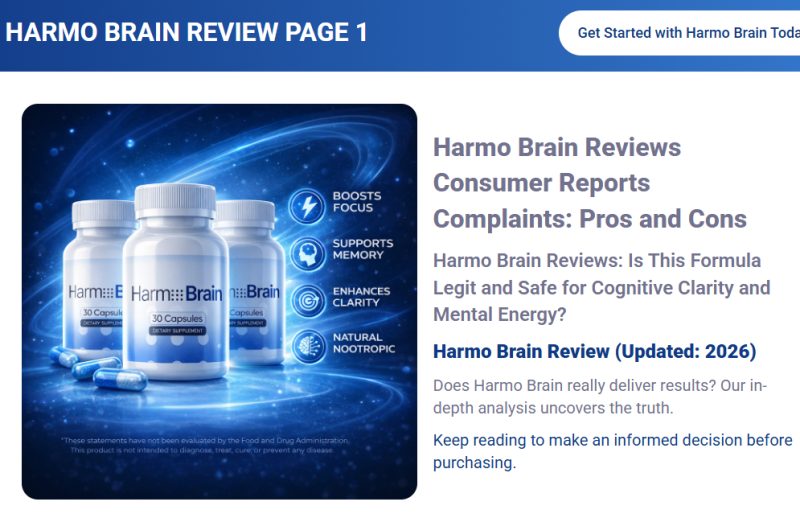
If you are trying to determine, "Is Harmo Brain legit or a scam?", the short answer is that the site raises several red flags, including a very new domain and aggressive marketing tactics. The cognitive supplement space is flooded with questionable products promising sharper focus and better memory. Before you hand over your credit card, you need to know exactly who you are dealing with.
In a Nutshell
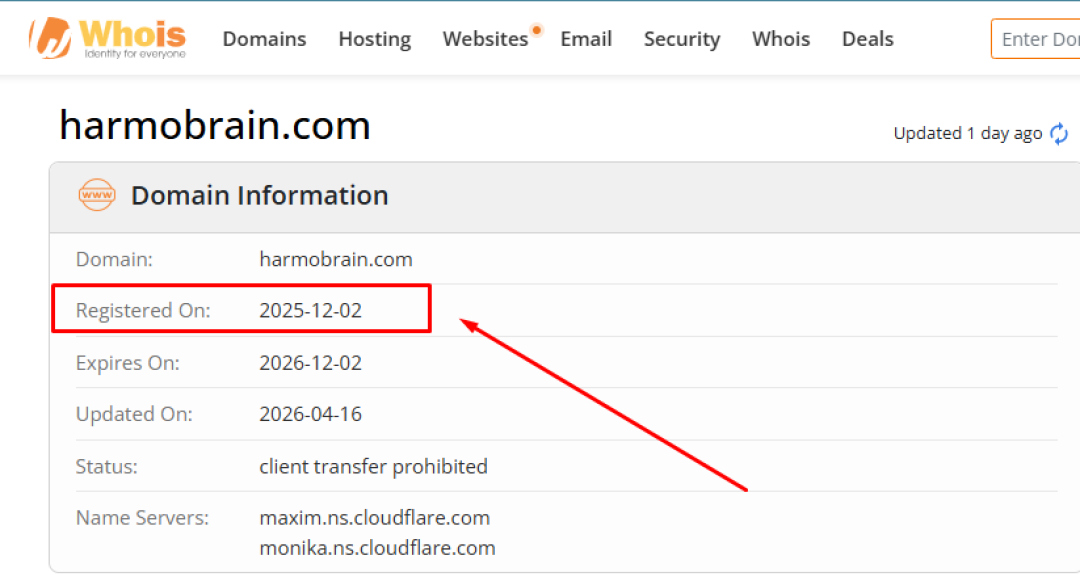
The domain Harmobrain.com was registered on December 2, 2025, from Whois and ScamAdviser, which means it has no established track record. New domains carry a much higher risk because fraudulent sellers constantly spin up fresh websites to outrun bad reviews. ScamAdviser's trust factors rely heavily on domain age and transparency, and this site fails on both counts.
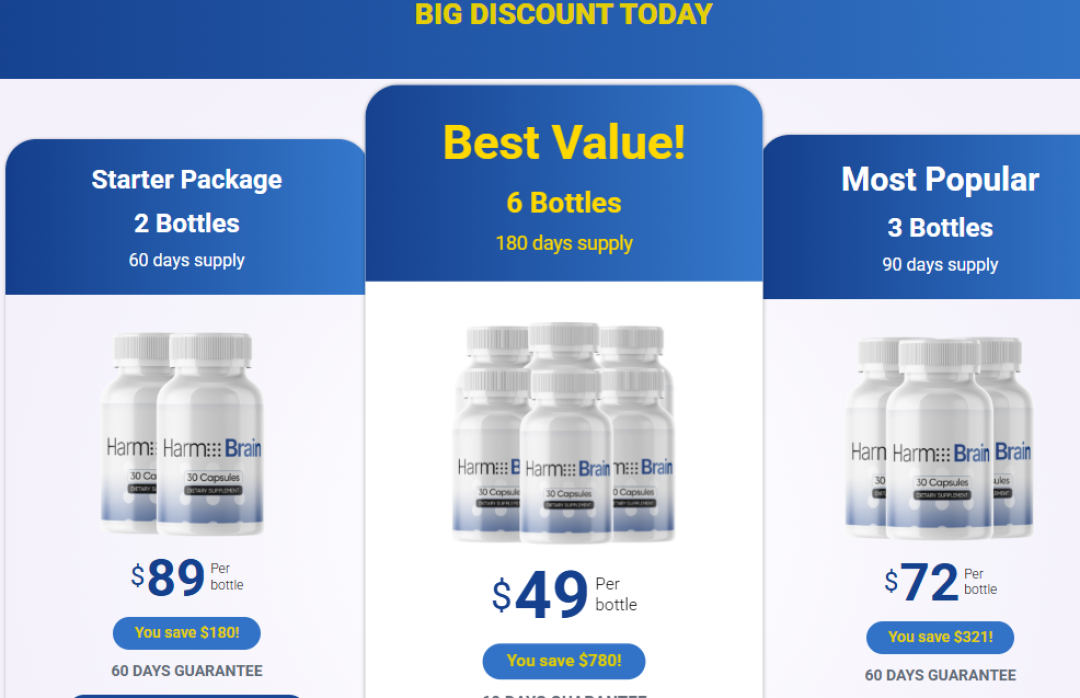
Yes, pushing massive discounts on bulk orders is a deliberate pressure tactic designed to make you spend more before you think. They throw out "limited stock" warnings to create artificial urgency and reduce your time to research the product. Legitimate stores offer discounts, but they do not use panic to force a six-bottle purchase on your first visit.
Yes, the site shows strong similarities to thousands of other recycled supplement funnels. It relies on a templated landing page, countdown timers, exaggerated benefits, and influencer-style marketing that looks staged. Supplement scams often reuse identical marketing frameworks because the formula successfully convinces rushed buyers to pay.
We have covered several such websites reviews such as;
The marketing relies on vague statements that are not backed by independent clinical proof. Claims that a pill "supports brain health" are simple structure-function statements, which require far less regulatory scrutiny than actual medical claims. Without peer-reviewed studies on the specific formula, you are paying for marketing, not proven results.
There is a high risk that the reviews on the site are curated, staged, or incentivised. In the cognitive supplement niche, fake testimonial patterns are incredibly common. Without verifiable feedback on independent platforms, you cannot trust five-star ratings hosted directly by the seller.
The most significant warning signs include a very new domain, a low trust score, aggressive bulk discounts, redirect funnels, and a templated design. Any one of these issues warrants caution. Together, they form a clear pattern of high-risk behavior that prioritizes fast sales over brand longevity.
Harmo Brain shows multiple risk signals and should be approached with extreme caution. While we cannot confirm it is an outright scam, its high-risk profile matches the behavior of predatory supplement funnels. You are better off buying from established brands with transparent ownership and proven track records.
You can run any suspicious URL through ScamAdviser to check its trust score, domain age, and server location. Look for hidden ownership, search for independent reviews off the site, and use our phone checker if they list a contact number. Always verify a company's age yourself before believing their marketing claims.
Protecting yourself from questionable supplements comes down to pattern recognition. When a site uses urgency, hidden redirects, and a brand-new domain, you should hold onto your money.
Do not let countdown timers rush your judgment. If you are still asking yourself, "Is Harmo Brain legit or a scam," the safest move is to close the tab and consult a doctor about your cognitive health.
If it looks like every other supplement funnel, it probably is.
Frequently Asked Questions
Can I get a refund from Harmo Brain?
Getting a refund from high-risk supplement funnels is often difficult, so you may need to initiate a chargeback with your bank.
Why does Harmo Brain use countdown timers?
Countdown timers are a psychological trick designed to create false urgency and stop you from researching the product.
Are the ingredients in Harmo Brain safe?
Without independent lab testing and clear regulatory approval, the safety of the specific ingredients remains unverified.
How do I report a deceptive supplement website?
You can report misleading health claims and deceptive billing practices directly to the FTC at ReportFraud.ftc.gov or your national consumer protection agency.
This article has been written by a scam fighter volunteer. If you believe the article above contains inaccuracies or needs to include relevant information, please contact ScamAdviser.com using this form.
Adam Collins is a cybersecurity researcher at ScamAdviser who operates under a pseudonym for privacy and security. With over four years on the digital frontlines, he specialises in translating complex threats into actionable advice. His mission: exposing red flags so you can navigate the web with confidence.
