

Pipitea.com sells tea it says comes from the Puer Mountains of Yunnan. The pitch focuses on origin and tradition, which makes it worth checking how long the company has actually been around and what customers say once they've ordered.
In a Nutshell
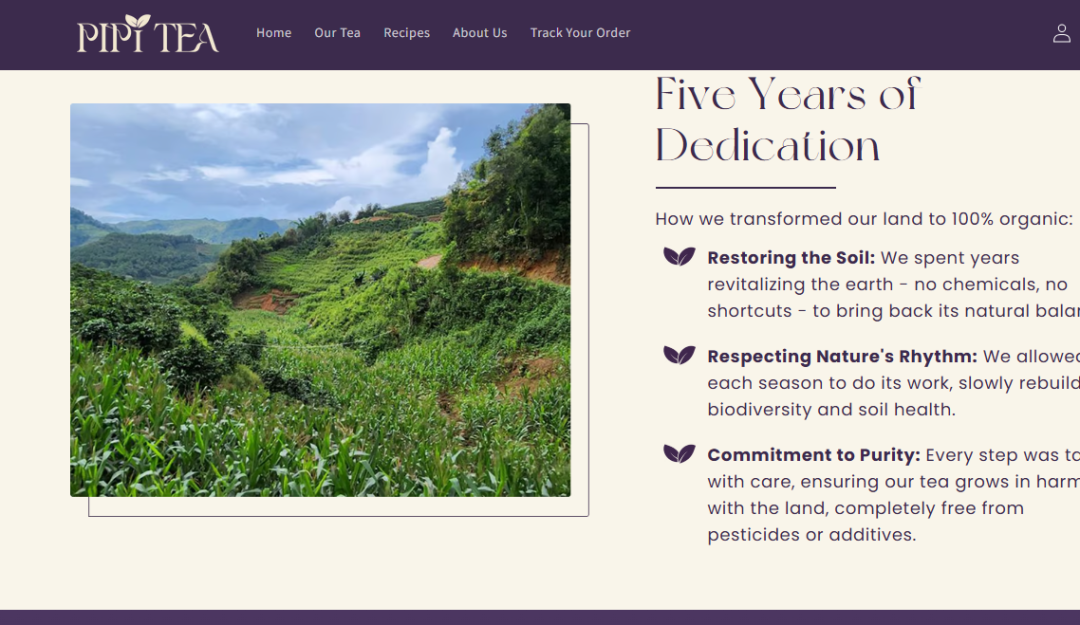
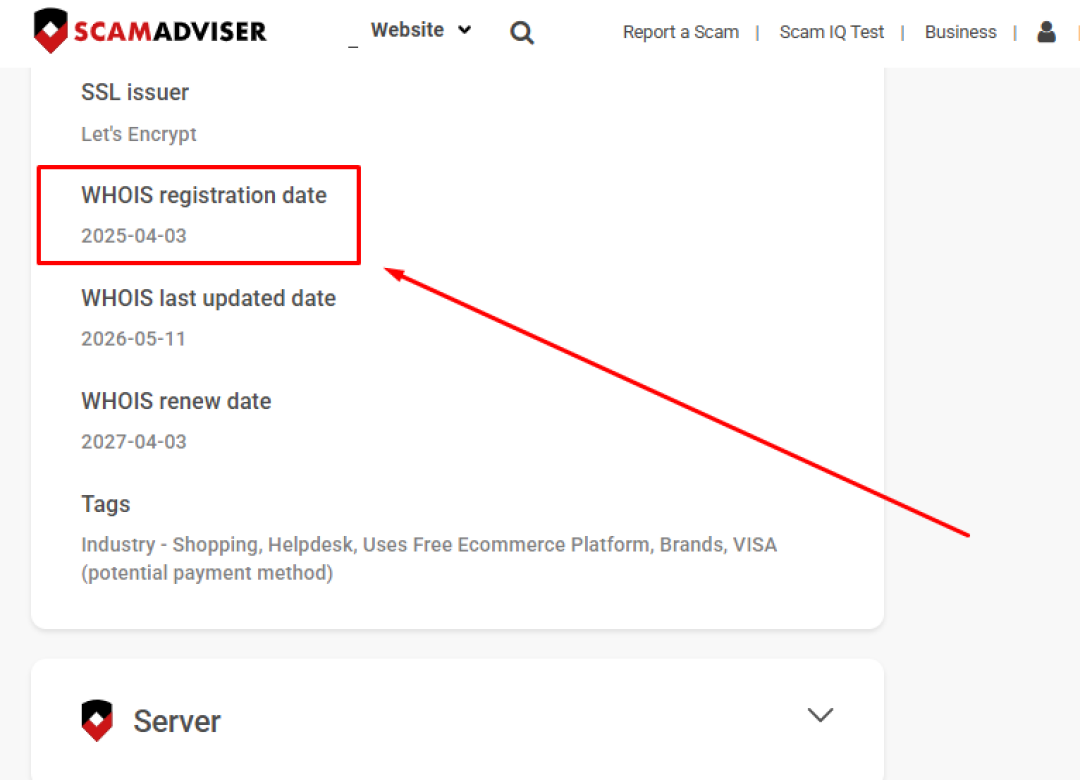
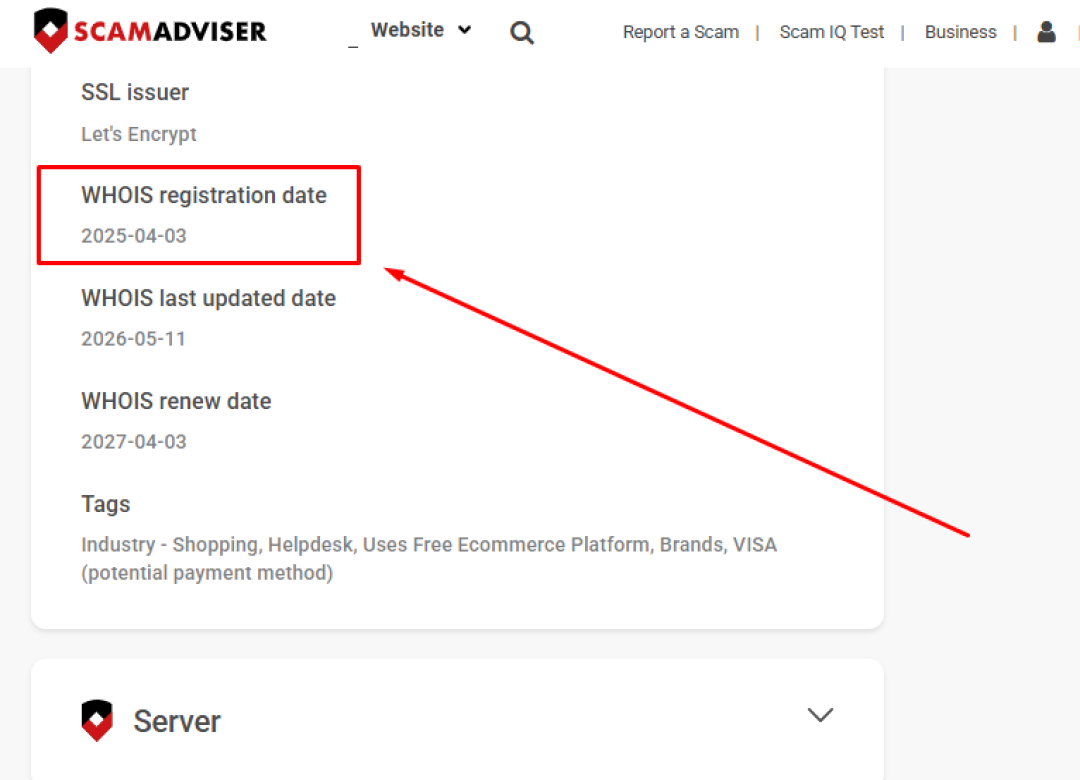
The site's About Us page says, "Five Years of Dedication." A WHOIS lookup tells a different story: the domain was registered on April 3, 2025, making it roughly a year old, not five. You can run the same check yourself through ICANN's WHOIS lookup tool. A gap this large between a company's own history claims and its actual domain record is worth pausing on before you order.
Pipitea includes this disclaimer on its site: these statements have not been approved by the Food and Drug Administration, and the product is not intended to diagnose, treat, cure, or prevent any disease. It adds that testimonials on the site are unverified and may not reflect the typical purchaser's experience.
This disclaimer doesn't mean the product works or doesn't work. It means the health claims made elsewhere on the page haven't been reviewed by the FDA, and the glowing testimonials you see aren't guaranteed to match your experience. You can read more about how supplement claims are regulated on the FDA's dietary supplement information page.
The site displays Instagram and TikTok icons meant to suggest an active brand with a real following. Click them and there's little to nothing behind them. Social buttons that lead nowhere, or to accounts with barely any activity, are a common shortcut used to make a new store look more established than it is.
Pipitea holds 3.6 out of 5 stars on Trustpilot, and a recurring theme in the complaints is unwanted subscriptions.
One customer said they ordered a single can of matcha, not a subscription, didn't like the taste, and wanted to return the second can for a full refund.
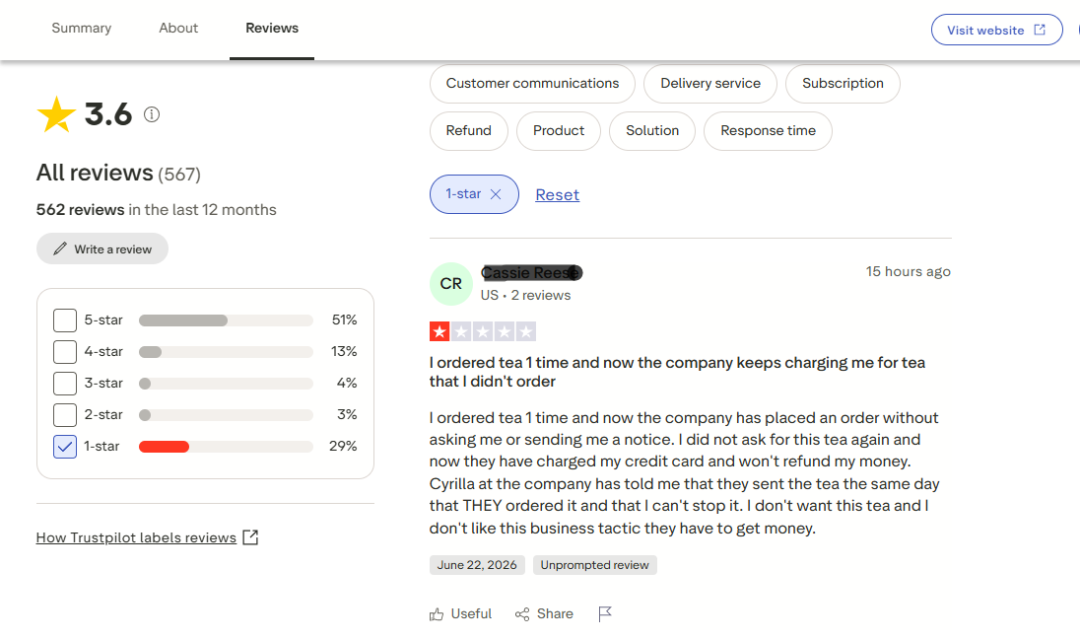
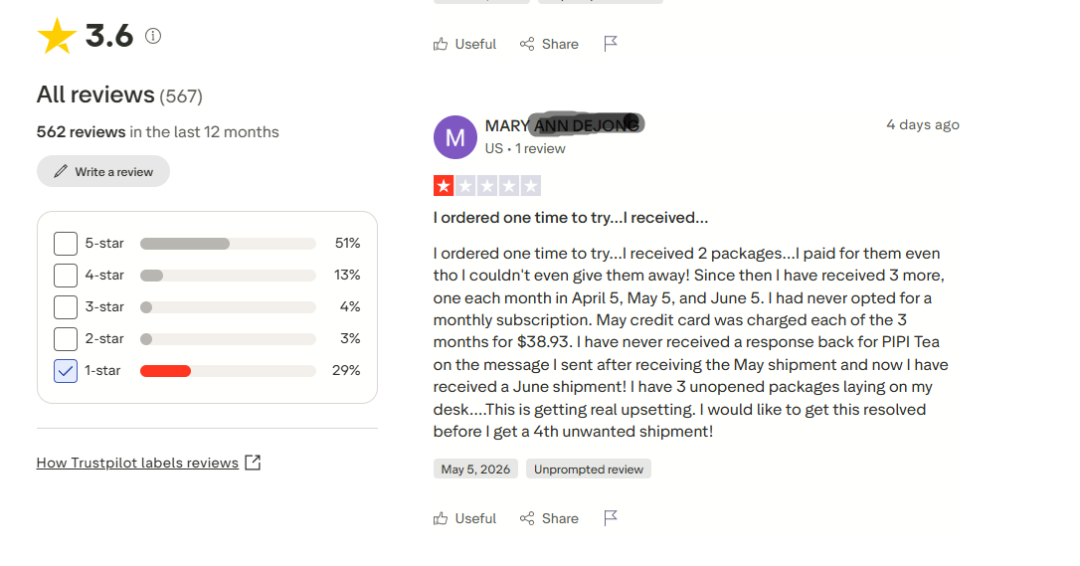
Another said they've been trying to cancel for months, that the company keeps charging them anyway, and that there's no phone number to call.
A third customer raised a more pointed question after a long wait for a response and a credit card dispute that eventually got their money back. They asked outright whether Pipitea writes its own positive reviews, since their own experience looked nothing like the glowing feedback on the page.
The site advertises "UP TO 48% OFF EASTER SALE" well past the holiday, with the calendar headed toward July. A seasonal sale that never ends isn't really seasonal. It's a standing discount dressed up with urgency it doesn't have.
A "five years of dedication" claim that doesn't match a 2025 domain registration, social buttons with nothing behind them, a steady stream of subscription complaints, and a sale that outlasted its own season by months. None of this proves fraud on its own, but it's the kind of pattern worth slowing down for.
Before ordering, check the Trust Score on ScamAdviser, and read the FTC's guide to negative option subscriptions to understand your rights around recurring charges you didn't knowingly sign up for.
FAQs
How old is Pipitea.com really?
WHOIS records show the domain was registered April 3, 2025, not five years ago as the site's About Us page claims.
Is Pipitea FDA approved?
No. Pipitea's own disclaimer states its claims haven't been evaluated by the FDA and that the product isn't meant to diagnose, treat, cure, or prevent disease.
Does Pipitea sign customers up for subscriptions without asking?
Several Trustpilot reviewers report being charged repeatedly after ordering what they believed was a one-time purchase, with no working phone line to cancel.
Is the Pipitea Easter Sale a real discount?
A discount labeled for one holiday that's still running months later functions as a permanent markdown dressed up as urgency, rather than a genuine limited-time offer.
Ordered from Pipitea or run into something similar? Report it to the FTC's official complaint portal to help other shoppers avoid the same risk.
See some more interesting articles from ScamAdviser:
This article has been written by a scam fighter volunteer. If you believe the article above contains inaccuracies or needs to include relevant information, please contact ScamAdviser.com using this form.
Adam Collins is a cybersecurity researcher at ScamAdviser who operates under a pseudonym for privacy and security. With over four years on the digital frontlines, he specialises in translating complex threats into actionable advice. His mission: exposing red flags so you can navigate the web with confidence.
