
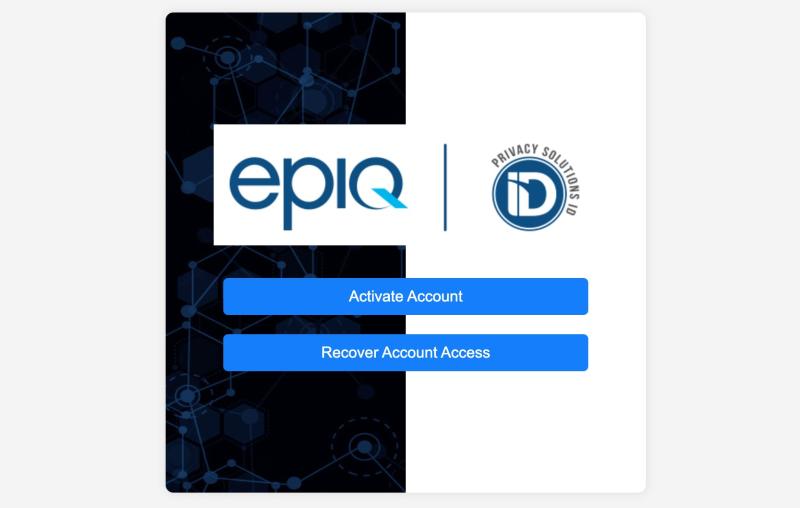
Receiving a notification about possible identity exposure can be alarming, especially when it comes from a service you have never heard of before. Many individuals reported getting letters or emails mentioning Privacy Solutions ID, claiming their personal data may have been involved in a breach and offering identity protection services.
This has created confusion, with some people believing it is helpful, while others worry it may be a phishing attempt. So, is Privacy Solutions ID trustworthy, or should you be cautious? Let’s take a closer look.
Privacy Solutions ID is typically described as an identity protection or credit monitoring service offered after data breaches. When organizations experience data leaks, they sometimes provide affected customers with free identity protection to reduce the risk of fraud. These services usually monitor credit activity, alert users to suspicious behavior, and provide assistance if identity theft occurs.
In some cases, Privacy Solutions ID notifications appear to be linked to legitimate breach responses. The messages may include activation codes and instructions for enrolling in free monitoring services for a limited period. This is a common practice used by companies trying to help customers after a security incident.
However, scammers often take advantage of these situations. They create similar looking letters or emails to trick recipients into sharing sensitive personal information. Because the communication appears official, many people may not realize they are interacting with a fraudulent message.
The confusion around Privacy Solutions ID scam comes from the fact that the communication often looks professional. The letters may contain official logos, structured formatting, and a unique code. They may also claim urgency, stating that you should enroll quickly to protect your identity.
While legitimate breach notifications may include similar details, scammers use these same techniques. When recipients are asked to provide sensitive information such as full name, date of birth, address, or identification numbers, it raises suspicion. People worry about whether they are protecting their identity or unknowingly exposing it.
Another concern is that some recipients receive these notifications without knowing which company experienced the breach. This lack of clarity makes it harder to verify whether the offer is genuine.
Some characteristics may suggest that a Privacy Solutions ID notification is genuine:
Legitimate breach notifications usually provide clear context and allow time for users to verify information before enrolling.
On the other hand, certain red flags could indicate that the message is suspicious:
These warning signs are commonly associated with phishing attempts designed to collect personal data.
Imagine receiving a letter stating that your personal information may have been exposed and you are eligible for free identity monitoring. The letter provides an activation code and asks you to visit a website to enroll. When you start the process, the form requests full identification details.
At this point, many people hesitate. If the notification is legitimate, providing information may be necessary to confirm identity. But if the message is fake, sharing those details could expose you to identity theft. This is why verification is essential before proceeding.
A detailed review published by De-Reviews.com explains that Privacy Solutions ID services are often connected to identity protection programs offered after breaches. The article also highlights that scammers may use similar notifications to exploit users’ fears. This analysis emphasizes the importance of verifying any such message before sharing personal details.
Before responding to any notification, consider taking the following steps:
Taking these precautions helps ensure you are dealing with a legitimate offer.
Even if you decide not to enroll, you can still protect yourself:
These steps can help reduce the risk of identity theft.
Privacy Solutions ID messages are not always unreliable, but they should not be trusted immediately without checking the details. Some notifications may be connected to genuine data breach support programs, while others could be misleading communications created to obtain personal information. Careful verification is therefore essential.
If you receive a Privacy Solutions ID notification, take a moment to confirm whether it is authentic. Review the information, verify the source independently, and avoid sharing sensitive details until you are confident about its legitimacy.
Disclaimer: This article has been written by a Scam Fighter Contributor. If you believe the article above contains inaccuracies or needs to include relevant information, please contact ScamAdviser.com using this form.
