
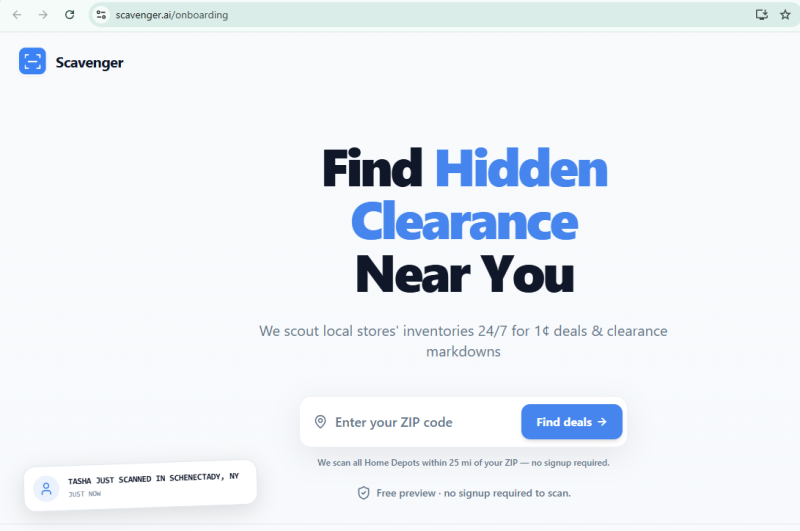
Scavenger.ai charges users a $1 three-day trial that automatically rolls into a $47/month subscription. Multiple users report being unable to cancel, unable to log in after signing up, and receiving no response from support. These are textbook patterns of a predatory subscription service.
In a Nutshell
Scavenger.ai markets itself as a tool that reveals clearance items listed for $0.01 at major retailers like Home Depot. The promise is compelling: gain access to deeply discounted inventory before other shoppers find it.
The catch? You must sign up and pay before you can see any of these alleged deals. Specifically:
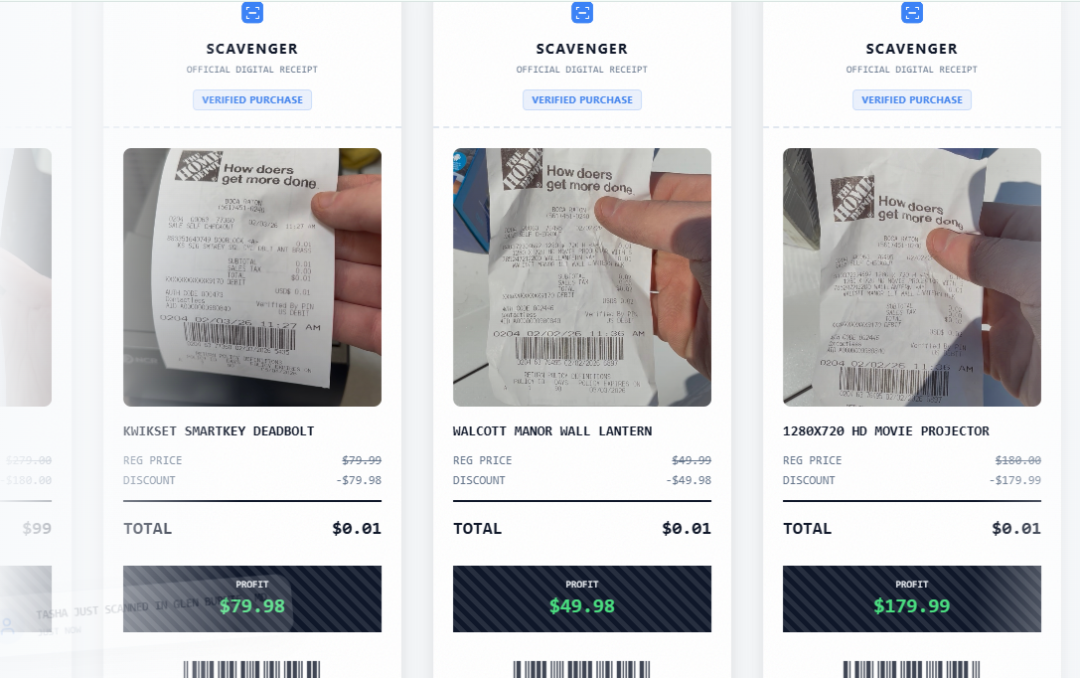
This "pay to peek" model is a significant red flag. Legitimate deal-finding tools typically demonstrate value before asking for payment.
User reports across forums like Reddit and review platforms paint a consistent picture of frustration. Here is a representative sample of what customers are experiencing:
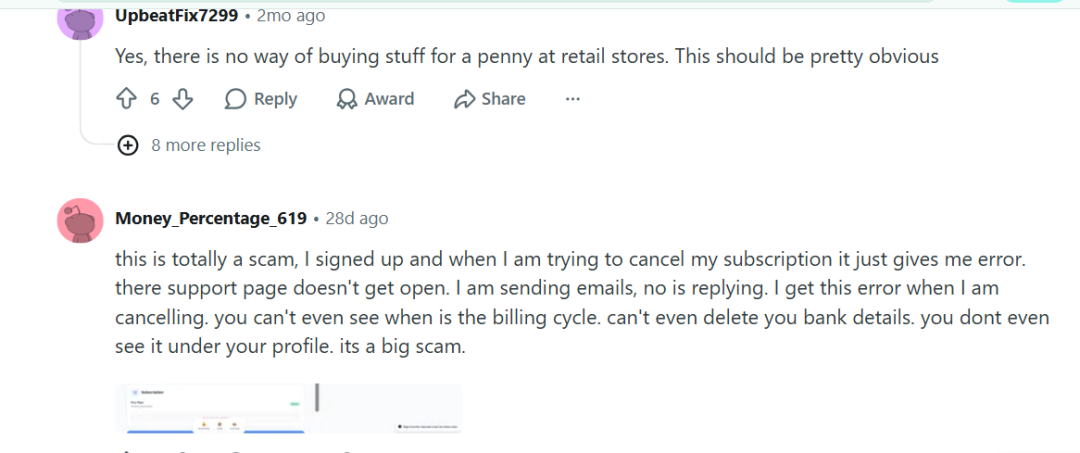
On cancellation difficulties:
"I signed up and when I am trying to cancel my subscription it just gives me error. Their support page doesn't open. I am sending emails, no one is replying."
On login loops after sign-up:
"Once you sign up, you won't be able to log in. It'll ask your email and then they will email you a confirmation code — then once you submit it, it loops back to the login landing page."
These are not isolated bugs. They form a pattern: easy to enter, nearly impossible to exit.
Scavenger.ai follows a well-documented predatory subscription blueprint:
This pattern is sometimes called a "roach motel" model in consumer protection circles: you can check in, but you can't check out.
Independent website trust services have assessed Scavenger.ai with mixed-to-low scores:
We cannot confirm that the $0.01 deals are real or accessible. The service gates all value behind a paywall, so independent verification is impossible before payment.
What we can confirm, based on user testimony and site behavior:
If you have already subscribed, take these steps immediately:
Scavenger.ai exhibits multiple characteristics of a predatory subscription service: unverifiable claims, dark pattern design, non-functional support, and a documented inability for users to cancel or even log in. Until these issues are publicly resolved, we recommend avoiding it entirely.
This article has been written by a scam fighter volunteer. If you believe the article above contains inaccuracies or needs to include relevant information, please contact ScamAdviser.com using this form.
Adam Collins is a cybersecurity researcher at ScamAdviser who operates under a pseudonym for privacy and security. With over four years on the digital frontlines, he specialises in translating complex threats into actionable advice. His mission: exposing red flags so you can navigate the web with confidence.
