
That dream prom dress with the “80% OFF, Ends in 10 Minutes!” banner could be the start of a costly Prom Dress Scam. Every prom season, fake fashion websites flood TikTok, Instagram, and Google with stunning gowns that never arrive or show up looking nothing like the photos. Before you enter your card details, here are the biggest warning signs that could save you hundreds of dollars and a ruined prom night.
In a Nutshell
When it comes to prom dress scams, this year is shaping up to be a goldmine. Scammers follow Google Trends, spin up temporary storefronts in February, and flood TikTok and Instagram with ads. You land on the site, see a gorgeous gown at a massive discount, and rush to pay before it disappears.
These fake prom dress websites use stolen photos from real designers to look legitimate. Once they collect enough credit card numbers, they shut down the site and vanish. It happens fast — you pay, refresh your inbox for a tracking number, and nothing shows up. You are out $200, and the dress either never arrives or shows up looking like a cheap plastic costume.
Scammers never miss a seasonal trend or major event. Every year, they pivot fast — from Valentine’s Day flowers and Easter giveaways to back-to-school sales, Black Friday deals, and now prom season. The moment people start searching for dresses, scammers rush to flood social media feeds and search results with fake “limited-time” offers designed to trigger panic buying.
Prom is especially attractive to fraudsters because emotions run high, deadlines are tight, and shoppers are desperate to find the perfect dress before styles sell out. Scammers know many students and parents are shopping quickly, comparing dozens of sites, and hunting for discounts, making it easier for fake stores to slip through unnoticed.
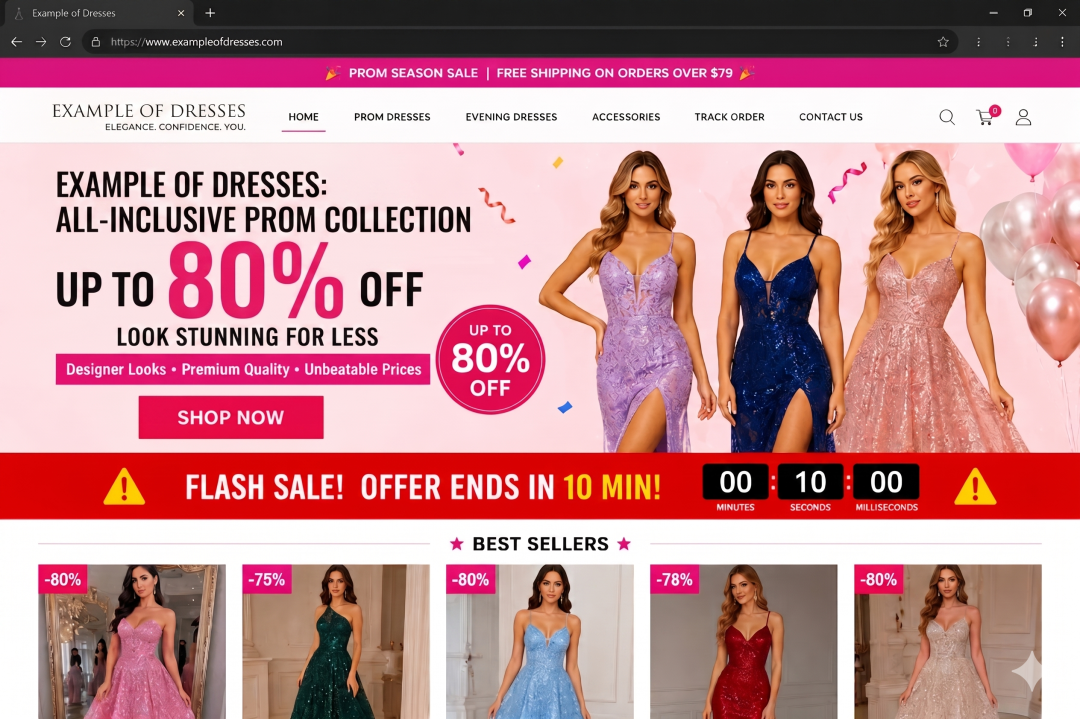
Keep an eye out for these specific prom dress website scam warning signs before you click buy.
A legitimate retailer cannot sell a $600 beaded gown for $75 — massive discounts exist only to stop you from asking questions.
Legitimate stores list a real corporate address and phone number, not just a generic web form.
A website created three weeks ago right before prom season is a major threat indicator.
If the model's head is cropped out or the background looks like a different store, the site stole the image from a real designer.
A missing padlock icon or a URL that starts with HTTP instead of HTTPS means your payment data is exposed to interception.
Scam sites often demand you pay return shipping to China, which costs more than the dress itself.
Stores demanding WeChat Pay, wire transfers, or gift cards do so because those methods strip away your ability to get a refund.
Hundreds of reviews saying "great product!" posted on the exact same day are purchased or generated by bots.
A Facebook or Instagram page created days ago with zero comments but thousands of followers is a fabricated presence.
You do not have to guess. ScamAdviser flags hundreds of fake clothing sites every 90 days. Before you enter your card details, paste the URL into the ScamAdviser website checker. It takes 10 seconds and it is free.
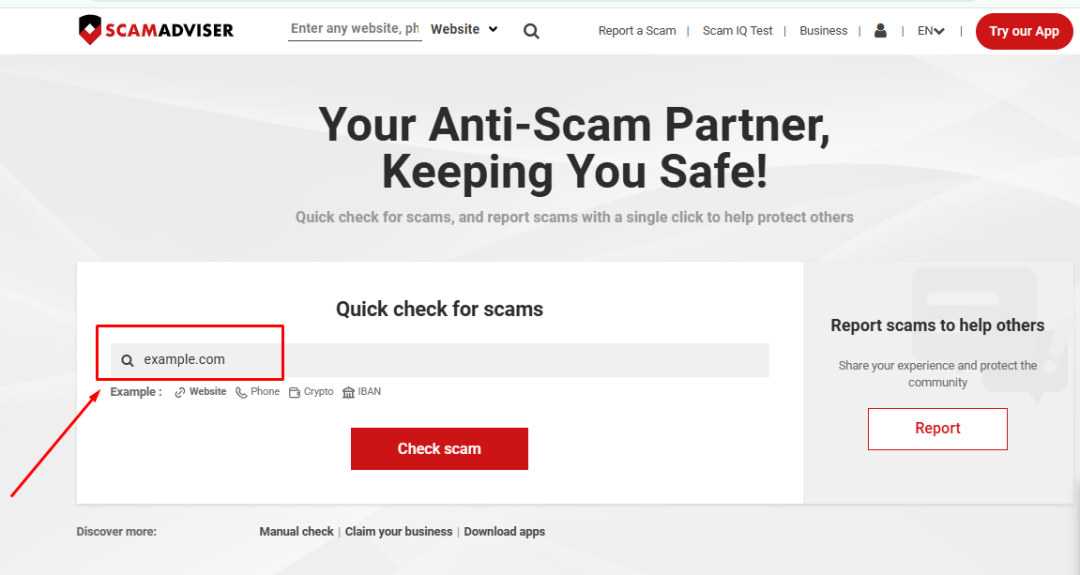
The tool gives the store a clear Trust Score. Look specifically at the domain age and the hosting country. A low-trust result usually shows a site registered just days ago, hidden ownership details, and a server located in a high-risk country. If the Trust Score is low, close the tab and read our guide to fake shops instead.
Beyond ScamAdviser, you can run a few manual checks to check if an online store is real.
Type the store name plus the word "scam" or "review" into Google. Check Trustpilot and the Better Business Bureau for formal complaints. Drag the dress photo directly into Google Reverse Image Search or TinEye. If the exact same photo appears on a high-end designer's site and five different discount sites, you are looking at stolen photography. This is how to spot a fake online clothing store in under a minute.
If you realize you bought from a fake site, contact your bank or credit card provider immediately and dispute the charge. Tell them you suspect fraud and ask them to reverse the transaction. Keep all screenshots of the website, the dress, and your confirmation emails as proof.
Next, report the fraud to the FTC at ReportFraud.ftc.gov, or your national consumer authority. Finally, report the URL directly to ScamAdviser so the database can warn other shoppers. If you are still asking yourself, is that prom dress website real, trust your gut and walk away. Send this guide to a friend shopping for prom to protect them, too.
If a deal feels rushed, overly cheap, or designed to pressure you into buying immediately, pause before you pay. Run the site through ScamAdviser, reverse image search the dress photos, and never trust a countdown timer alone. A two-minute check could save your prom night and your bank account.
Frequently Asked Questions
How can I tell if a prom dress website is legit?
Paste the store's web address into ScamAdviser to check its Trust Score, domain age, and ownership details.
Can I get a refund if I bought from a fake dress site?
You can usually get your money back if you paid with a credit card by calling your bank immediately to dispute the charge.
Why do fake dress websites use real designer photos?
Scammers steal official lookbook photos to trick you into believing their cheap, counterfeit operation sells high-quality gowns.
Are Instagram and TikTok dress ads safe to click?
No, scammers frequently buy social media ads to target teens directly, so you must verify the site independently before buying.
Adam Collins is a cybersecurity researcher at ScamAdviser who operates under a pseudonym for privacy and security. With over four years on the digital frontlines, he specialises in translating complex threats into actionable advice. His mission: exposing red flags so you can navigate the web with confidence.
