

In a Nutshell
If you land on Lityn.sbs, you won’t stay there long. The domain immediately redirects to Zirak.fun, a blog that presents itself as a beginner-friendly guide to investing and forex trading. At first glance, it feels like a simple informational site, with articles explaining how to start investing with little money or how forex trading works for beginners.
But the way users arrive there, and what happens behind the scenes, raises important questions about trust and safety.
WHOIS records show that Lityn.sbs was registered on October 13, 2025, while Zirak.fun was registered earlier on March 15, 2025. Both domains are relatively new, which is often a warning sign when evaluating unfamiliar financial websites.
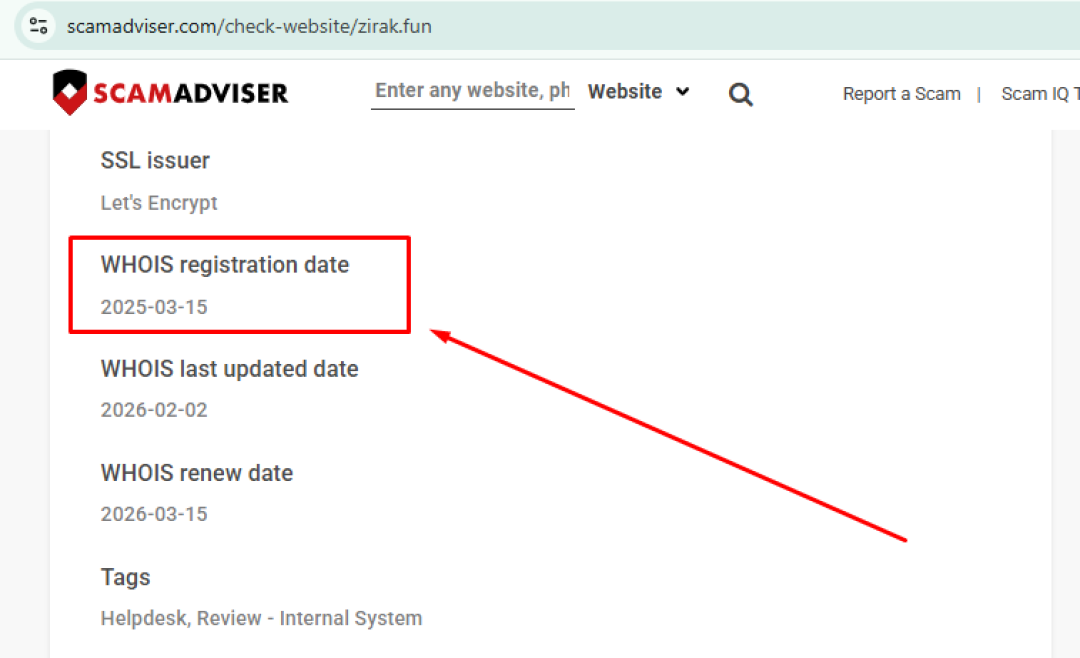
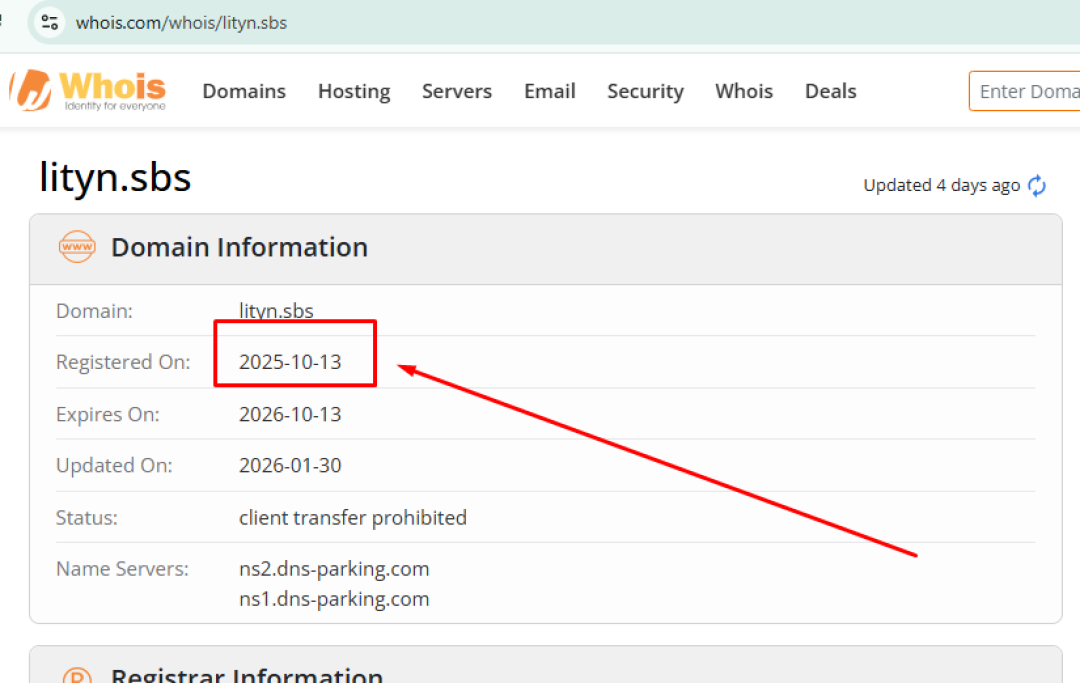
New domains are not automatically unsafe, but when they are connected through redirects and focused on money-related topics, it becomes harder to establish credibility. There is also no clear explanation of who operates these websites or why one redirects to the other.
This lack of ownership transparency makes it difficult for users to verify legitimacy.
The most notable feature of Lityn.sbs is its automatic redirect to Zirak.fun. Users typically expect a website to load directly, not shift them to a different domain without explanation.
Uncontrolled redirects are often used in online ecosystems to move traffic between pages, sometimes for tracking, monetization, or funneling users into broader networks. While not always malicious, they reduce user control and make it harder to understand what site you are actually interacting with.
In this case, the redirect is not explained anywhere, which reduces trust.
Zirak.fun publishes content about investing and forex trading, topics that naturally attract people looking for ways to earn money online. Articles are written in a simple, approachable style, which can make them feel helpful and beginner-friendly.
However, there is no visible author information, financial qualification, or regulatory backing behind the content. This is important because financial advice can have real-world consequences if it is inaccurate or misleading.
Without clear accountability, users cannot verify whether the information is educational, promotional, or part of a broader marketing strategy.
Another concern is the absence of clear contact information. Neither Lityn.sbs nor Zirak.fun provides a verifiable business identity, physical address, or reliable support channel.
Legitimate websites, especially those discussing financial topics, usually include transparent ownership details. When this information is missing, it becomes difficult to hold anyone accountable if issues arise.
Redirect-based websites combined with financial content can be used to build trust quickly before guiding users toward external offers or third-party platforms. Each redirect also introduces opportunities for tracking or exposure to unrelated pages.
Even if the content itself appears harmless, the structure around it creates uncertainty about intent and control. Users may not always know where their data is going or who is behind the content they are reading.
Lityn.sbs and Zirak.fun are not proven scams based on content alone, but they show multiple risk indicators. The combination of recent domain registration, unexplained redirects, missing contact details, and unverified financial advice makes the setup difficult to trust.
If a website redirects without explanation and offers investment-related content without transparency or accountability, it is best to proceed cautiously and verify information from independent, trusted financial sources.
This article has been written by a scam fighter volunteer. If you believe the article above contains inaccuracies or needs to include relevant information, please contact ScamAdviser.com using this form.
Adam Collins is a cybersecurity researcher at ScamAdviser who operates under a pseudonym for privacy and security. With over four years on the digital frontlines and 1,500+ days spent deconstructing thousands of fraud schemes, he specialises in translating complex threats into actionable advice. His mission: exposing red flags so you can navigate the web with confidence.
