

Masafun.com and MasaLOL.com redirect visitors through several ad domains before loading any video, a pattern common to risky streaming sites.
Before you click that play button, you might want to hold that thought. Millions are flocking to Masafun.com and MasaLOL.com for free adult entertainment, but watching porn videos on these sites could expose you to a nasty web of hidden traps. Here is the shocking truth about what’s actually happening behind the scenes when you stream.
In a nutshell
Masafun.com presents itself as a simple solution: free videos, instant access, and no sign-ups standing in your way. It’s the kind of platform that feels effortless from the start — no friction, no commitment, just content on demand.
And for a moment, it works exactly like that.
But then something shifts. A click doesn’t always lead to a video. Instead, it opens another page. Then another. Before long, you’re no longer sure which site you’re actually on, or how you got there in the first place.
The domain history suggests a pattern of expansion through new sites rather than building a single stable platform.
Masafun.com was registered in October 2023, while MasaLOL.com only appeared later in January 2026. Instead of strengthening one trusted domain, the network continues to grow sideways.
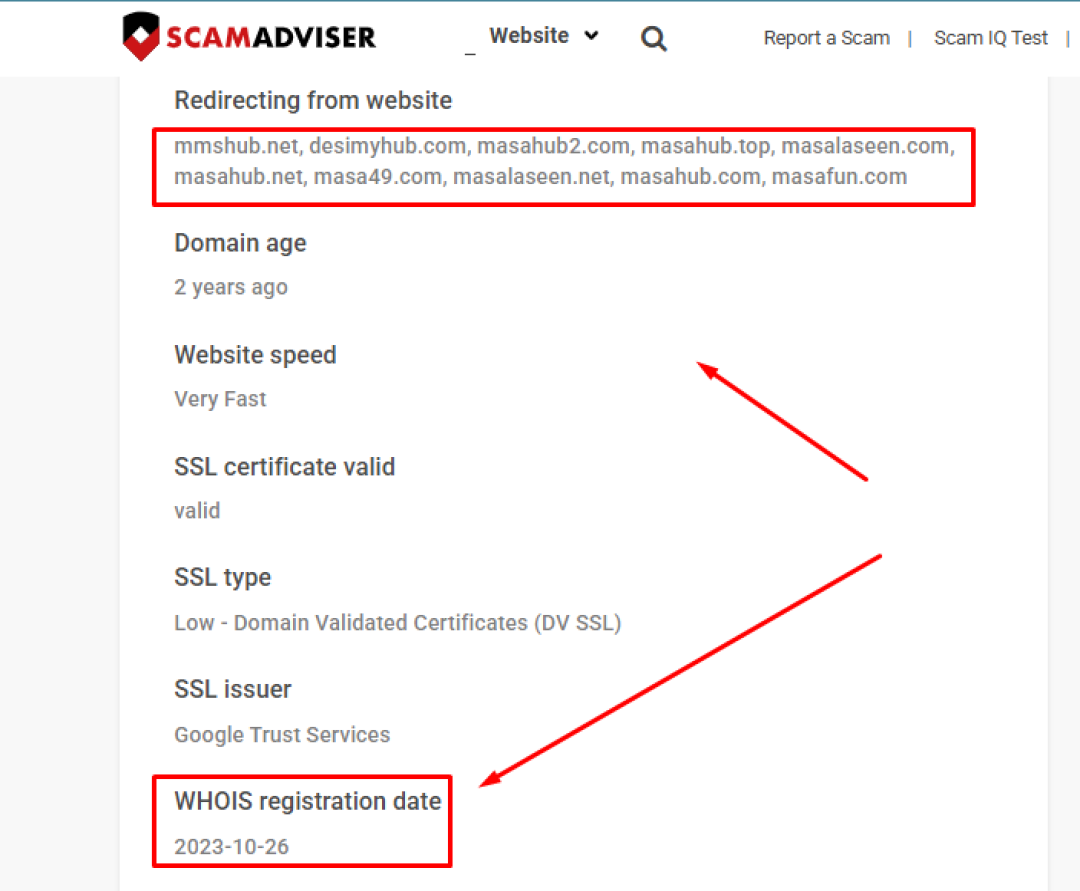
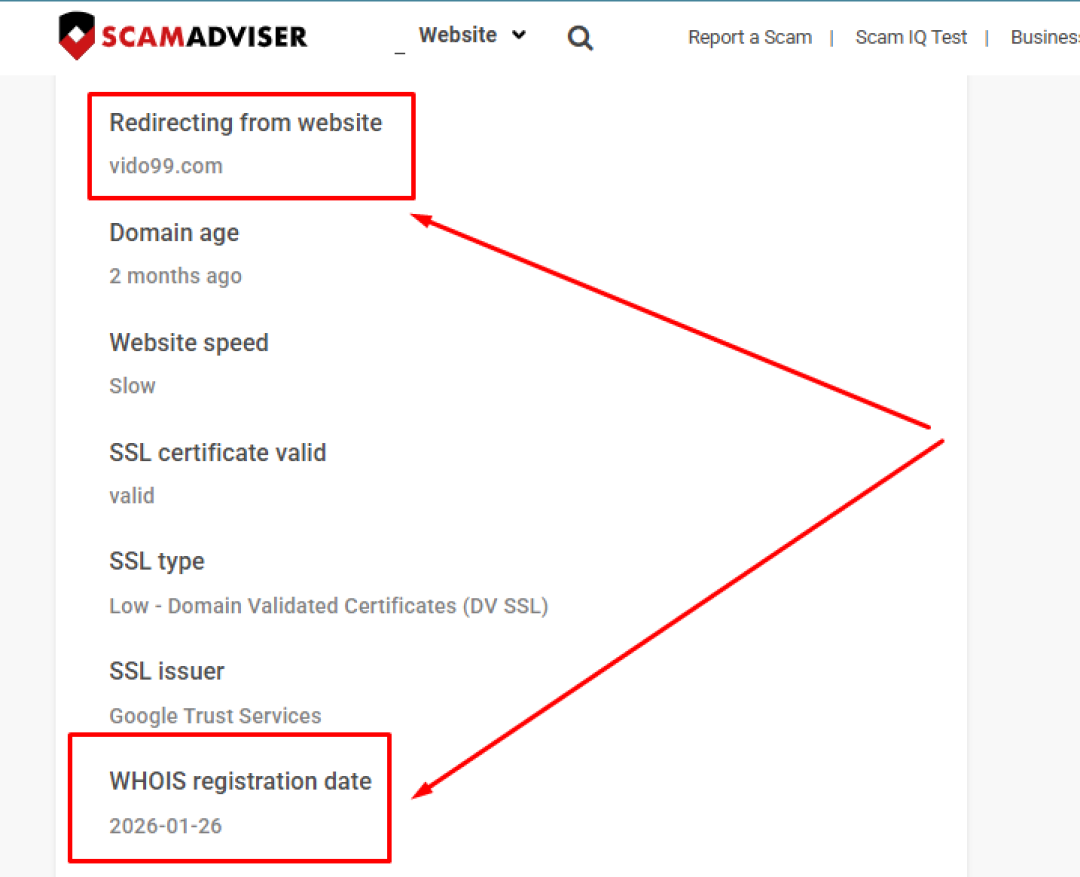
This approach is commonly seen on platforms that expect domains to be flagged, blocked, or replaced over time, which can signal instability and higher risk for users.
The ownership of these sites is unclear, with only a shared contact email providing limited traceability.
Both domains are linked to sendu@keemail.me, but beyond that, there is little public information about who runs them. There’s no visible company identity, no transparency about operations, and no clear accountability.
When a platform attracts traffic but keeps its identity vague, it becomes difficult to trust how user data is handled or protected.
The content sourcing is unclear and may raise ethical and legal concerns.
Masafun states that it collects videos from across the internet and does not create or upload content itself. While this sounds straightforward, it leaves open questions about ownership, licensing, and consent.
Platforms that rely on externally sourced content without clear verification often operate in a gray area where accountability is limited.
Masafun.com carries several risk factors that make it a potentially unsafe browsing environment.
When you combine redirect chains, multiple domains, unclear ownership, and aggressive ads, the overall profile aligns with high-risk content aggregation platforms.
While it may provide access to videos, it also increases exposure to unwanted scripts, tracking, and possible scams.
The real cost is often paid through data exposure, intrusive ads, and reduced browsing control rather than money.
Masafun doesn’t require payment, but users may give up personal data, interact with unknown third-party scripts, and deal with persistent disruptions.
These trade-offs aren’t always obvious at first but tend to appear over time.
Masafun.com and MasaLOL.com may deliver the content they promise, but they do so in an environment that prioritizes traffic over transparency. If you choose to use them, caution is essential — avoid unnecessary clicks, don’t allow permissions, and be mindful of where each redirect takes you. In most cases, platforms that constantly shift domains and obscure their ownership carry more risk than they’re worth.
This article has been written by a scam fighter volunteer. If you believe the article above contains inaccuracies or needs to include relevant information, please contact ScamAdviser.com using this form.
Adam Collins is a cybersecurity researcher at ScamAdviser who operates under a pseudonym for privacy and security. With over four years on the digital frontlines and 1,500+ days spent deconstructing thousands of fraud schemes, he specialises in translating complex threats into actionable advice. His mission: exposing red flags so you can navigate the web with confidence
