
In a Nutshell
Since its registration on January 9, 2017, Pngtree.com has positioned itself as a global titan for designers, boasting millions of "free" PNG images and templates. However, a dismal 1.2/5 rating on Trustpilot suggests that for many users, the experience is anything but helpful. You might download a simple graphic for a school project or a small business post, only to find yourself in a legal nightmare months later. This Pngtree review examines whether the platform is a genuine resource or a breeding ground for aggressive legal harassment.
The core of the issue lies in the platform’s "freemium" model—a system where basic services are free but advanced features cost money. When you download a "free" asset, you are often bound by strict terms that require author attribution or limit you to personal use. Many users do not realize that these design resource sites safety policies can be incredibly narrow. If you use a personal-use image on a professional portfolio, you have technically violated the agreement. These platforms rely on users moving quickly and skipping the fine print, which creates a massive liability for your business.
Licensing terms are not static and can change over time, leaving older downloads in a legal gray area. You might believe you are following the rules today, but if the platform updates its policy tomorrow, your past usage could be flagged. This confusion is a primary driver of the negative feedback surrounding the site. Always assume that "free" comes with a hidden cost that you may be asked to pay later.
A recurring theme in user complaints is the receipt of aggressive emails demanding immediate payment for past downloads. These communications often use "copyright trolling" tactics—the practice of seeking settlements for alleged infringements through intimidation rather than litigation. You may receive a message claiming you owe hundreds of dollars for an image you downloaded years ago. These emails frequently include "short payment deadlines" to pressure you into paying before you can consult a lawyer.
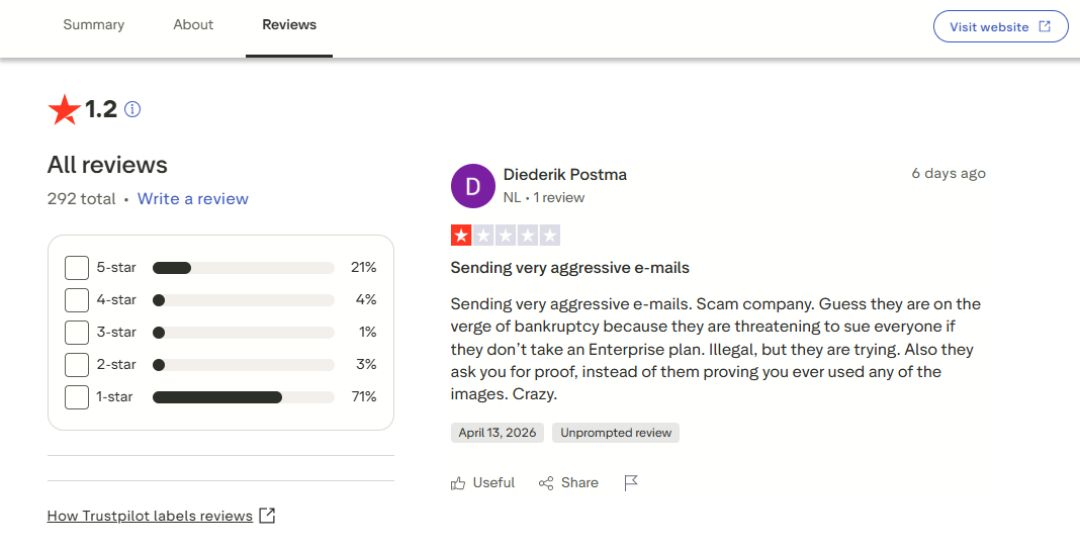
Is Pngtree safe? The platform’s persistence in these demands has led many to label their tactics as harassment. Users report that the company often refuses to acknowledge evidence of proper attribution or prior licensing. Instead of providing clear proof of a violation, they may demand that you prove your innocence. This reversal of roles is designed to make you feel vulnerable and more likely to settle the claim quickly.
The most alarming reports involve allegations of retroactive pricing. Some users claim they are being billed for images that were clearly labeled as "free" at the time of download. When a Pngtree scam allegation surfaces, it is usually because the platform is demanding current premium rates for historical usage. This creates a high-risk environment for any professional who cannot produce a license certificate from several years ago.
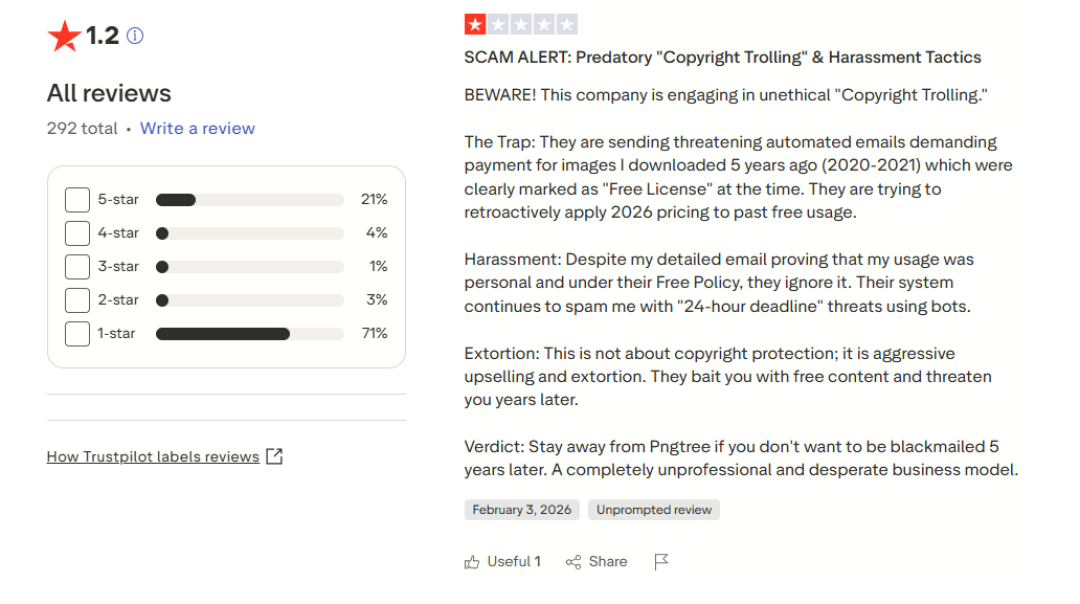
Legitimate copyright enforcement should be transparent, evidence-based, and consistent with the rules in place at the time of the transaction. When a site uses fear and unclear policy shifts to extract money, it erodes the trust of the entire design community. If you cannot find a clear, permanent record of your right to use an image, you are essentially leaving a back door open for legal threats. Pngtree copyright claims often target those who didn't keep meticulous records of their "free" downloads.
When you create an account on these sites, you provide your email address and often link your usage to your professional identity. This data allows the platform to track exactly what you downloaded and where you might be using it. This makes you an easy target for automated enforcement campaigns that can feel invasive and difficult to stop. Free PNG download risks aren't just about the files themselves; they are about the trail of data you leave behind.
Once you are in their database, you may find it nearly impossible to scrub your history or stop the influx of enforcement messages. Even if you delete your account, the platform may retain records of your downloads for "compliance purposes." This persistent contact can be a major distraction and a source of significant stress for independent creators. You must weigh the value of a single graphic against the potential for years of unwanted legal correspondence.
Pngtree.com is a functional design platform, but it carries significant risks due to its aggressive enforcement practices and confusing licensing. While the site itself is not a traditional malware-style scam, its business model feels predatory to many who have been hit with retroactive demands. You should proceed with extreme caution, document every single download, and keep your license certificates in a secure location. If you are working on high-stakes commercial projects, the small cost of a reputable stock photo site is far cheaper than the potential legal fees here. The risk of aggressive legal harassment makes Pngtree a dangerous choice for anyone without a dedicated legal team.
This article has been written by a scam fighter volunteer. If you believe the article above contains inaccuracies or needs to include relevant information, please contact ScamAdviser.com using this form.
Adam Collins is a cybersecurity researcher at ScamAdviser who operates under a pseudonym for privacy and security. With over four years on the digital frontlines and 1,500+ days spent deconstructing thousands of fraud schemes, he specialises in translating complex threats into actionable advice. His mission: exposing red flags so you can navigate the web with confidence
