
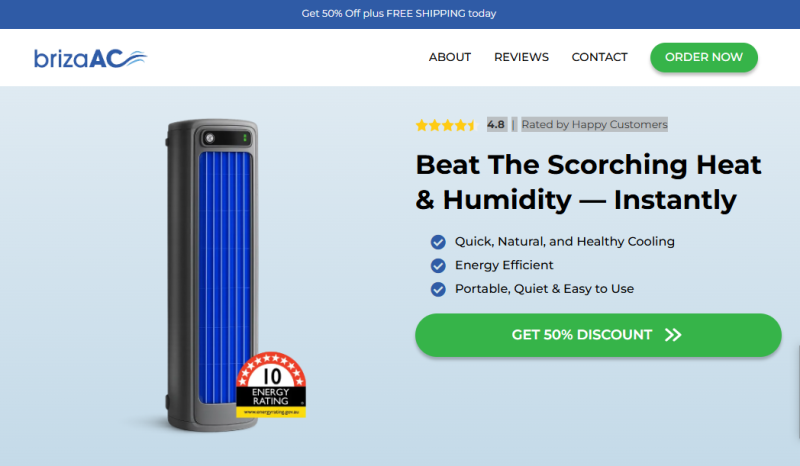
Qinux BrizaAC promises powerful cooling in a compact, bladeless design, but many customers say it barely cools at all. Before spending your money, here's what independent reviews and our investigation reveal about this viral gadget.
In a Nutshell
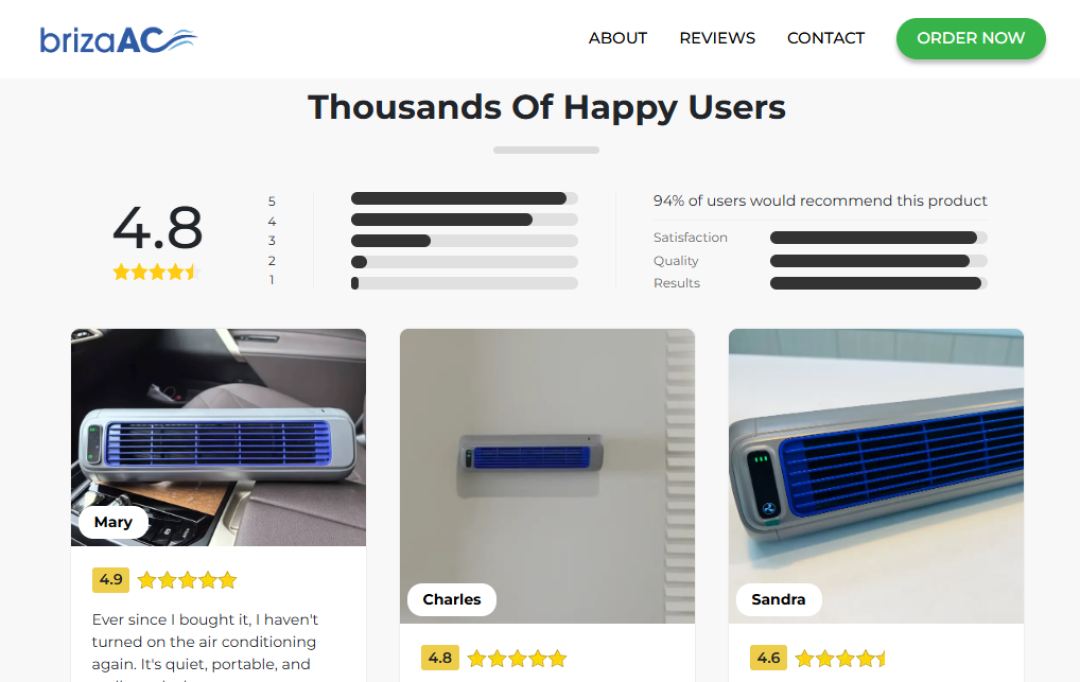
Qinux BrizaAC is advertised as a portable, bladeless ventilation system designed to deliver immediate coolness, constant air circulation, and quiet operation in any space. The product page even displays a 4.8 rating from happy customers. The independent reviews tell a much different story.
While the brand's own site shows a glowing 4.8 rating, Trustpilot shows the real picture: a 1.4 star rating from actual buyers. That gap between a self-reported score and an independent review platform is one of the clearest warning signs you can find before buying anything online.
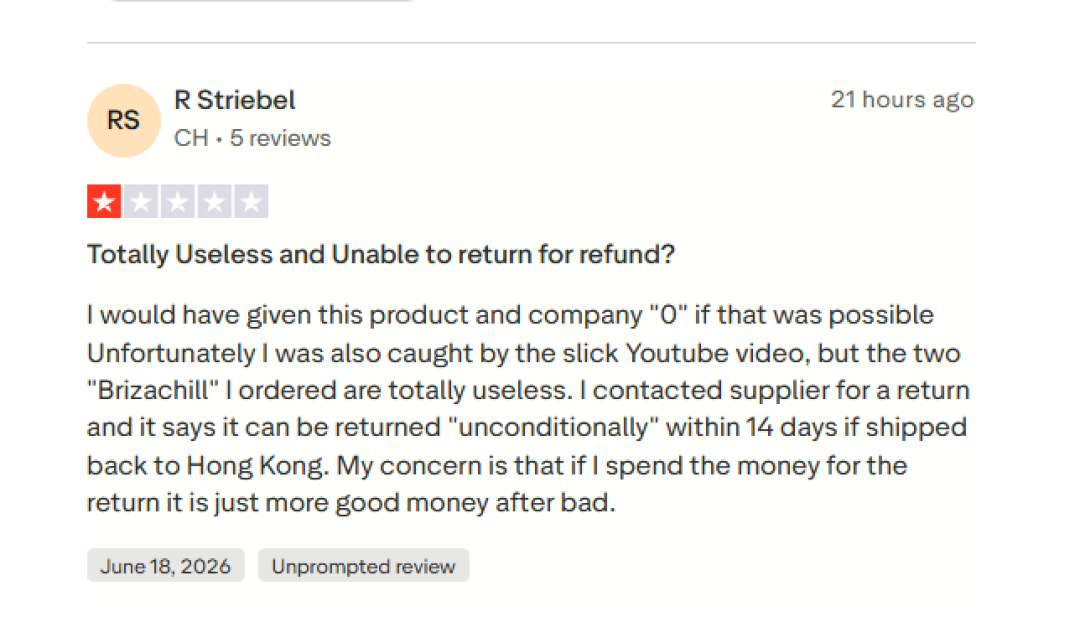
One customer said they would have rated the product zero stars if that option existed. After being drawn in by a slick YouTube video, they ordered two units, both of which turned out to be useless. When they tried to arrange a return, they were told it could only be sent back, unconditionally, within 14 days, and shipped all the way to Hong Kong, making the cost of returning it almost as high as the refund itself.
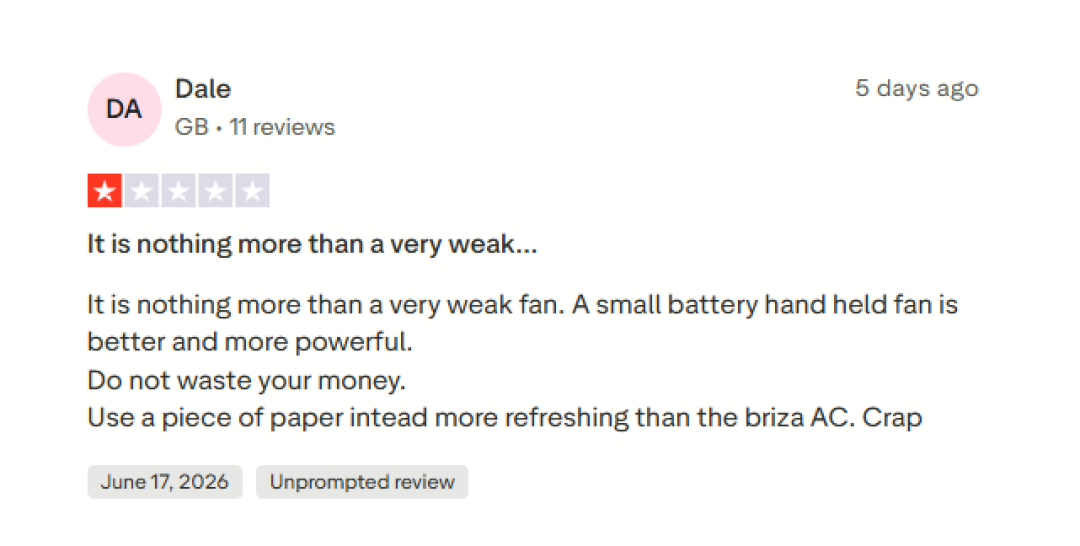
Another reviewer was even more direct, describing the product as nothing more than a very weak fan, and saying a small handheld battery fan would perform better. They suggested a piece of paper would be more refreshing, and called the product a waste of money outright.
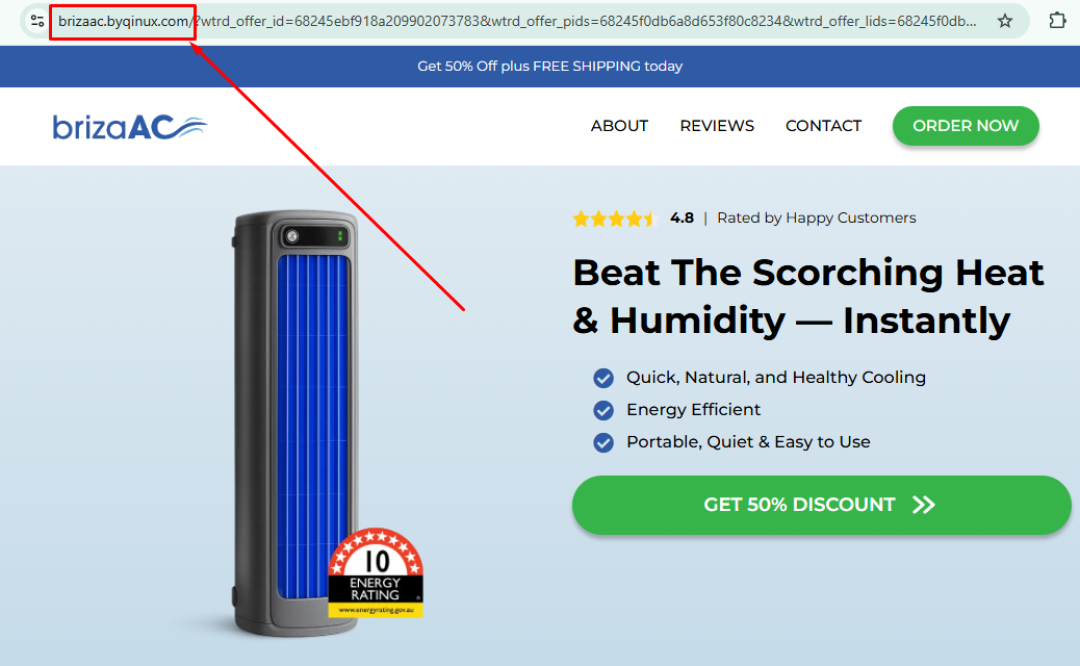
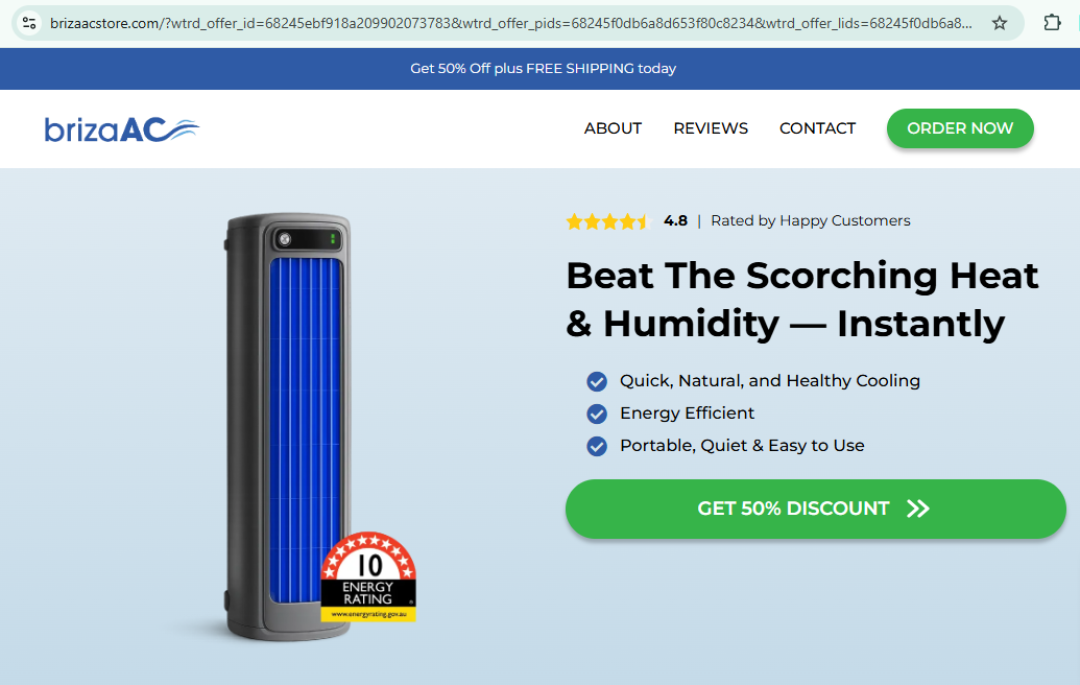
We found the same product being sold across more than one site, including Brizaac.byqinux.com and Brizaacstore.com. On ScamAdviser both have a low ScamAdviser TrustScore. Both use the same layout, the same claims, and the same template. That kind of duplication across domains is a common dropshipping pattern: rather than building one trusted storefront, sellers spin up several near-identical sites so that complaints, blocks, or bad reviews on one don't sink the whole operation.
Products like Qinux BrizaAC, Breezamax, and AiraBreeze tend to follow the same launch pattern. A short, highly produced video appears on YouTube or social media, often borrowing language from aerospace engineering or "as seen on the news" framing, and drives traffic straight to a checkout page before independent reviews have had time to build up. By the time Trustpilot ratings catch up to reality, thousands of orders may have already gone through.
Before buying a gadget you only discovered through a video ad, search for the brand name plus "Trustpilot" or "review" in a separate tab, rather than trusting the testimonials shown on the seller's own page. Check how old the domain is, and be cautious of return policies that require shipping a product overseas at your own expense.
You can check a seller's trust standing through ScamAdviser, and if you've already paid for a product that didn't match its advertising, you can file a report with the Federal Trade Commission.
A 4.8 rating on the brand's own page and a 1.4 star rating on Trustpilot can't both be telling the truth, and in this case, the independent number is the one worth trusting. Qinux BrizaAC follows the same script as several other "miracle cooler" products this summer: a polished video, a duplicated storefront, and a refund process designed to discourage you from ever actually using it.
See More interesting articles from ScamAdviser:
This article has been written by a scam fighter volunteer. If you believe the article above contains inaccuracies or needs to include relevant information, please contact ScamAdviser.com using this form.
Adam Collins is a cybersecurity researcher at ScamAdviser who operates under a pseudonym for privacy and security. With over four years on the digital frontlines, he specialises in translating complex threats into actionable advice. His mission: exposing red flags so you can navigate the web with confidence.
