
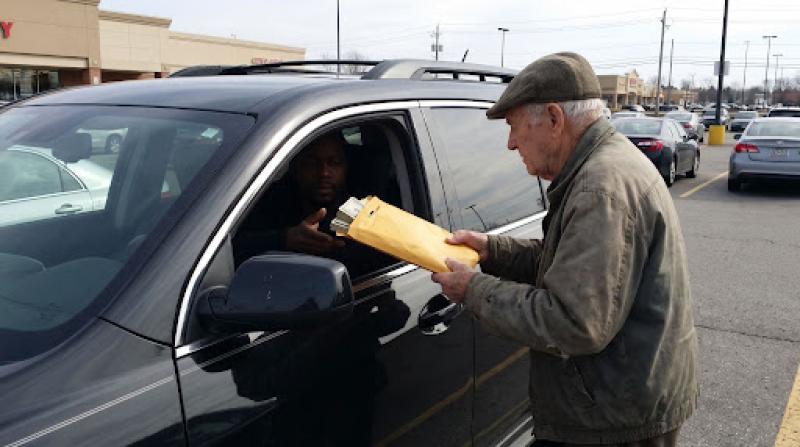
The fake FBI agent scam is costing Americans their life savings, and in some cases, the money is handed over in person to a stranger waiting in a black SUV. A caller claims to be an FBI agent investigating fraud at the victim's bank, convinces them their money is at risk, and talks them into withdrawing cash so it can be "protected." Then a courier arrives to collect it.
In Burbank, Illinois, an elderly couple lost $18,400, their life savings, this way, WBBM CBS Chicago reported. In New England, WPRI's 12 Responds team spoke to a woman who is now warning others after losing $45,000 in an FBI impersonation scam.
The Burbank case shows the script in detail. According to the report, Gail Walsh received a call one morning in August from a man who said he was an FBI agent investigating suspicious activity at her bank. He told her to withdraw her savings, then claimed some of the bills were counterfeit, a story designed to explain why the cash needed to be handed over for checking.
She was sent to two different Chase branches and finally told to meet someone outside the Chase at 95th and Pulaski. There, she handed the money to a man in a black SUV. He drove away, and the money was gone.
The details change from case to case, but the pattern is consistent:
AARP has reported similar cases, including a Maryland woman who said she handed money to a driver in a black SUV in a Target parking lot during an FBI impersonation scam that cost her nearly $600,000.
The fake FBI agent scam turns a trusted institution into a weapon. Victims believe they are helping law enforcement, or protecting themselves from criminals, so they follow instructions they would normally question. Telling them to visit more than one bank branch and to keep the investigation secret makes it harder for tellers or family members to step in.
The FBI says impersonation scams are rising. In New England alone, FBI Boston reported 778 impersonation complaints in one year, with losses of nearly $13 million, and noted that callers often become more aggressive when victims ask questions. Scammers may also spoof real FBI phone numbers, so caller ID is no guarantee.
The FBI will never call to demand money or personal information, and it will never send a courier to collect cash. Any one of these signs is a scam alert.
Hang up. Then call your bank using the number on your card, and if you want to check with the FBI, find the number for your local field office on fbi.gov yourself.
Talk to someone you trust before moving any money.
Tell your bank if a caller has pressured you, so staff can watch your account.
Talk to older relatives about this scam now, so they recognise it if the call comes.
If you have already handed over money, contact your bank and local police immediately, and report it to the FBI's Internet Crime Complaint Center at ic3.gov. If a caller sends you to a website or app, check it first with ScamAdviser's free website checker, and the ScamAdviser app can help flag suspicious calls and links. You can also share your experience through ScamAdviser's Report a Scam page.
Adam Collins is a cybersecurity researcher at ScamAdviser who operates under a pseudonym for privacy and security. With over four years on the digital frontlines, he specialises in translating complex threats into actionable advice. His mission: exposing red flags so you can navigate the web with confidence.
