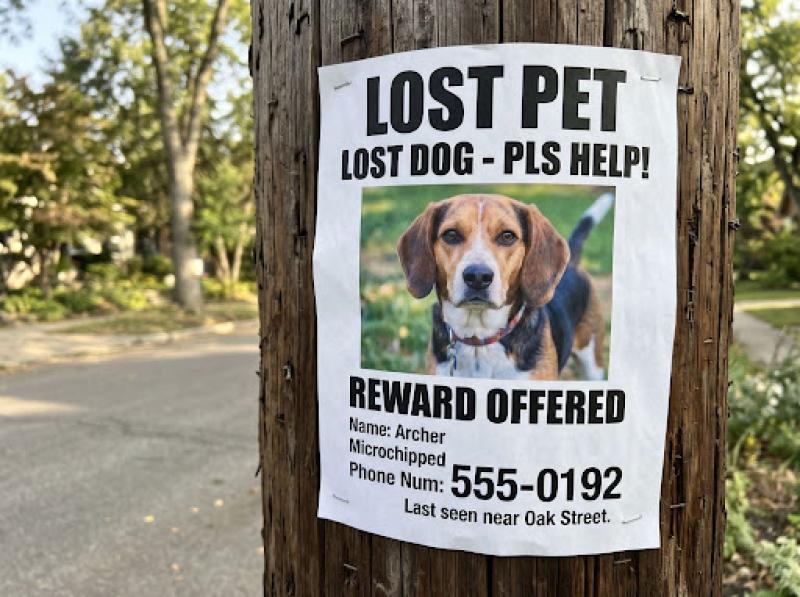
The AI lost pet scam is one of the most callous cyber-enabled extortion schemes seen this year. Taking advantage of frantic families searching for missing dogs or cats, fraudsters place urgent calls or texts claiming to be shelter personnel, veterinary staff, or police officers. They claim the animal was found severely injured, text an AI-generated image showing the pet on an operating table as "proof," and demand immediate wire transfers to fund life-saving surgery.
Consumer protection bodies, major tech outlets, and animal welfare organizations—including Regional Animal Services of King County (RASKC) in Washington—have sounded the alarm, branding the trend a disturbing "new low" in predatory fraud.
How the AI Surgery Scam Works
Scammers execute this playbook within hours of a lost-pet alert going public:
- Scraping Flyers: Criminals harvest phone numbers, names, and high-resolution pet photos from missing animal posters, Facebook community boards, Nextdoor, and lost-and-found pet directories.
- Authority Impersonation: Posing as veterinary clinic staff, municipal shelter workers, or local police, the scammer initiates contact with an alarming narrative: the pet was struck by a vehicle and rushed into critical care.
- Manufactured Medical Panic: The caller insists the pet requires emergency surgery and threatens that the clinic will deny treatment or euthanize the animal if payment is not remitted immediately.
- Synthetic AI "Proof": Feeding the pet’s photo from the flyer into image generation tools, the scammer produces a convincing fake depiction of the sedated or intubated animal lying on an operating table or surgical blanket.
- Irreversible Payment Demands: The fraudster demands thousands of dollars sent over Zelle, Venmo, Cash App, wire transfer, cryptocurrency, or retail gift cards.
The extortion demands routinely reach several thousand dollars. In St. Petersburg, Florida, a family was coerced into sending $1,900 via Zelle after scammers sent an AI-rendered photo of their lost German Shepherd puppy, Hazel, on an operating table—only for the uninjured dog to wander home independently the following morning. Similar extortion attempts demanding upwards of $2,800 have targeted pet owners across Florida, Washington, and Utah.
In nearly all documented cases, the scammers never had possession of the animal.
Red Flags of an Imposter Pet Recovery Call
- Upfront payment required before physical inspection: Legitimate veterinary hospitals and animal shelters treat emergencies under established triage procedures and will never demand non-refundable app payments before you can see your pet or confirm their intake.
- High-pressure isolation tactics: Scammers will refuse to let you disconnect the call, speak with the lead surgeon, or verify the clinic's landline.
- Visual AI artifacts: While generative AI continues to improve, synthetic medical images frequently display glossy or glazed eyes, blurred surgical instruments, irregular paw anatomy, unnatural fur texture, or sterile backgrounds that look melted or disproportionate.
- Ignorance of withheld identifiers: The caller cannot describe identifying physical traits, microchip details, or collar markings that were omitted from public flyers.
- Alternative payment channels: Demands for peer-to-peer mobile apps, crypto, or prepaid gift cards indicate fraud.
Safe Practices for Missing Pet Searches
Do not stop publicizing lost pets—community networking remains one of the most effective ways to recover a missing animal. Instead, adopt basic operational safeguards:
- Keep a "proof detail" private: When printing flyers or publishing posts, withhold one unique physical characteristic (a hidden patch of fur, a notched ear, a belly scar, or the microchip brand) to vet anyone claiming they have found your pet.
- Initiate your own call: If a clinic or shelter contacts you, hang up and manually dial the published official phone number listed on the facility’s official website. For King County residents, RASKC advises checking kingcounty.gov/LostAPet or visiting the facility in person.
- Insist on an in-person reunion: Never send funds until you are physically present at the accredited veterinary hospital or shelter facility.
- Use proxy contact details: Set up a temporary Google Voice number or dedicated email address for posters rather than advertising personal phone numbers tied to your banking apps.
- Keep microchip records updated: Ensure your microchip registry contains active, current contact information so verified veterinary facilities can trace ownership through internal databases.
What to Do If You Are Targeted
- Cease all contact: Terminate the call and block the sender. Do not send funds under any circumstances.
- Alert your bank: If you have already transferred money, immediately contact your financial institution or peer-to-peer app support to flag the transaction as fraud and attempt a freeze.
- Alert local pet groups: Warn administrators of local lost-pet groups and community forums that someone is actively scraping contact details to run synthetic imagery extortion.
File official fraud reports: File an incident report with local law enforcement and the Federal Trade Commission at ReportFraud.ftc.gov.
Run links through ScamAdviser: If a scammer sends a web link to a purported "clinic invoice" or "donation pool," run it through ScamAdviser's domain checker to review registry creation dates and threat ratings.
Adam Collins is a cybersecurity researcher at ScamAdviser who operates under a pseudonym for privacy and security. With over four years on the digital frontlines, he specialises in translating complex threats into actionable advice. His mission: exposing red flags so you can navigate the web with confidence.
See Full Bio