
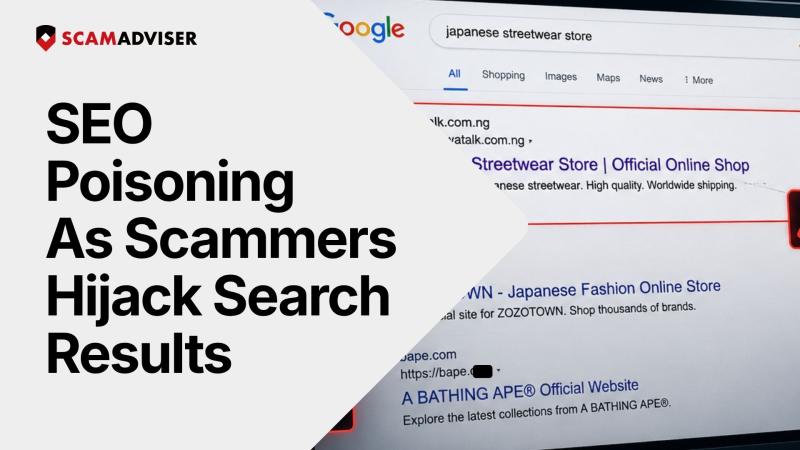
You type the name of a popular Japanese clothing brand into Google and click the very first organic link. The site looks perfect, complete with aesthetic cloning that copies the official logo, detailed product descriptions, and a smooth checkout page. You pay for your order, refresh your inbox for a receipt, and nothing ever arrives. This happens through a tactic called SEO poisoning.
In a Nutshell
SEO poisoning — also called search engine poisoning (SEP) or malicious SEO — is the deliberate manipulation of search engine rankings to make a fraudulent website appear highly visible and credible. This is a form of spamdexing where the results are not paid advertisements with a "Sponsored" tag (a tactic known as malvertising), but organic search results that look like they earned their top spot. Cybercriminals originally used this method to distribute malware, but they now use it heavily for e-commerce fraud and credential harvesting.
Scammers first target high-volume brand keywords and build a fake storefront using stolen logos, product images, and exact-match descriptions. They employ black-hat SEO tactics like keyword stuffing to manipulate search algorithms. To bypass detection, they often use cloaking, showing search engine bots an innocent, optimized page while redirecting real users to the scam.
They pump artificial credibility into the site by buying thousands of backlinks — links from other websites pointing to the scam site — generated by automated link farms and private blog networks (PBNs), or by deploying low-quality doorway pages. Google's algorithm reads these backlinks as signals of authority, ranking the fake website top of Google and putting it right in front of your wallet.
ScamAdviser previously investigated Arewatalk.com.ng, a website that appeared to be a high-end Japanese retail store. At first glance, the storefront looked convincing, displaying prices in Yen and showcasing Japanese street fashion. However, a WHOIS lookup — a public record of domain ownership — revealed the site was actually registered in Nigeria. The domain itself was only created weeks before it began ranking on Google for Japanese fashion-related keywords.
Arewatalk.com.ng has since reverted back, but the case highlights how quickly these manipulated search listings can appear and disappear.
A similar attack pattern was recently observed on the website of the National Control Commission for the Protection of Personal Data (CNDP). The institution, which is responsible for protecting personal data in Morocco, was affected by the so-called “Japanese Keyword Hack.” This technique hijacks a website’s Google search presence and replaces indexed pages with Japanese-language content promoting fake or unrelated products. In practice, it can make legitimate, trusted websites appear as if they are selling entirely different goods—damaging credibility and confusing users searching for official information.
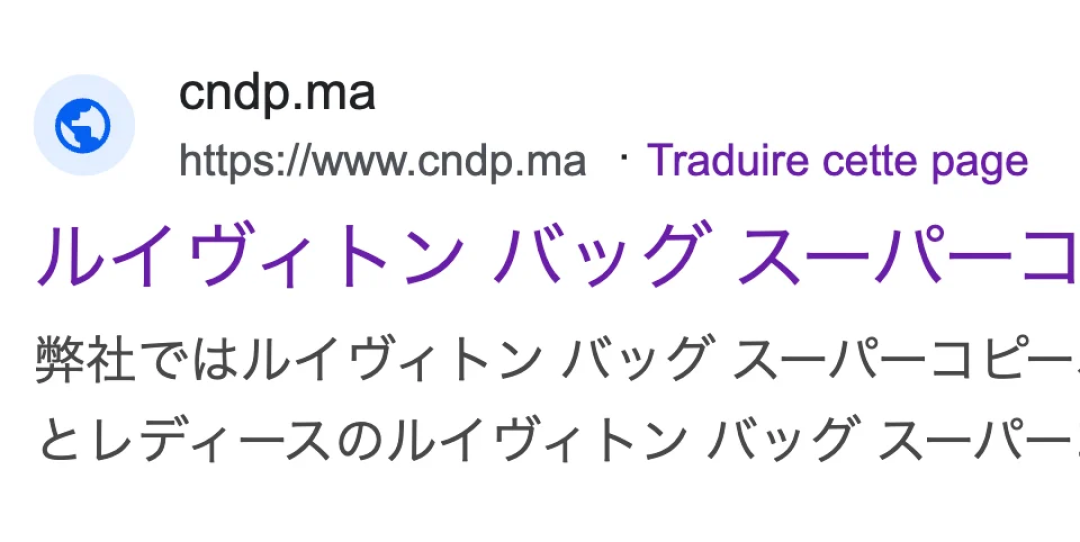
Source: Secureweb
Google designed its ranking algorithm to measure relevance and authority, not to verify human intent. Scammers reverse-engineer these exact signals, forcing search engines into a perpetual game of catch-up. By the time security teams identify how scammers manipulate Google search and remove the site, the criminals have already registered a dozen new domains.
Niche brands and foreign-language searches suffer the most from this tactic. There is less legitimate competition for those specific keywords, making it easier for scammers to dominate the front page.
Fraudsters target high-intent purchases where buyers feel a sense of urgency. Japanese and Korean boutique fashion, discontinued electronics, luxury watches, and event ticketing see the highest volume of poisoned search results. Shoppers searching for these items are often unfamiliar with the brand's official web address.
Scammers know you will tolerate an odd-looking URL if you believe you are buying an imported or rare item. They exploit your desire for the product to bypass your basic security checks.
Look closely at the domain extension in your address bar before clicking anything. Scammers frequently use typosquatting and lookalike domains that look very similar to the real brand name. A legitimate international brand will rarely use an obscure country code like .ng or a cheap extension like .xyz. Search the brand name alongside the phrase "official site" or check their verified social media accounts to confirm the real web address.
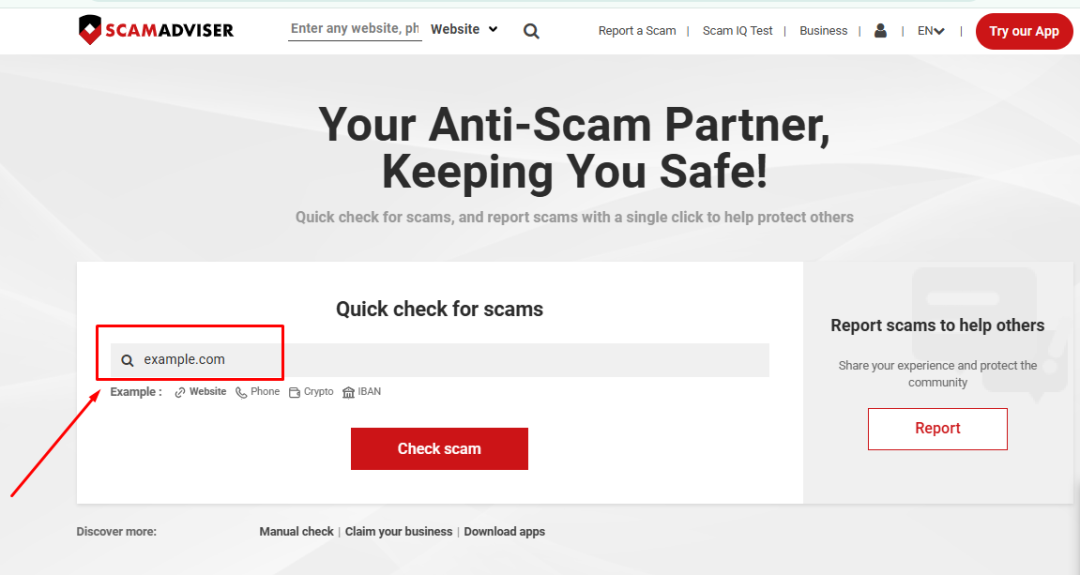
Run the web address through ScamAdviser.com before you enter your payment information. A quick check reveals the domain age, trust score, and hidden ownership details that scammers try to bury. If a deal seems dramatically cheaper than official retail prices, treat it as an immediate red flag.
Contact your bank or credit card provider immediately to file a chargeback dispute. Report the specific URL to Google using the Google Search Console spam reporting tool so they can remove it from search results. Finally, file a report with ScamAdviser and your national consumer protection authority to help warn other shoppers.
Questioning a top search result is not paranoid — it is a necessary survival skill. Before you buy from any unfamiliar website, however high it ranks, check it for free at ScamAdviser.com.
They do not need to build a better brand — they just need to hijack the search bar.
Frequently Asked Questions
Why did a scam website appear at the top of my Google search?
Scammers use artificial backlinks, link farms, and keyword manipulation to trick Google's algorithm into ranking their fake sites highly.
Can I get my money back after buying from a fake search result?
You can usually recover your money if you paid by credit card and contact your bank immediately to file a chargeback dispute.
How do I report a malicious website ranking on Google?
You can submit the exact web address directly to Google through their official Search Console report spam page.
Does a high Google ranking mean a website is safe?
No, search engines rank websites based on relevance and authority signals, which criminals can artificially fake using black-hat SEO techniques.
Adam Collins is a cybersecurity researcher at ScamAdviser who operates under a pseudonym for privacy and security. With over four years on the digital frontlines, he specialises in translating complex threats into actionable advice. His mission: exposing red flags so you can navigate the web with confidence.
