
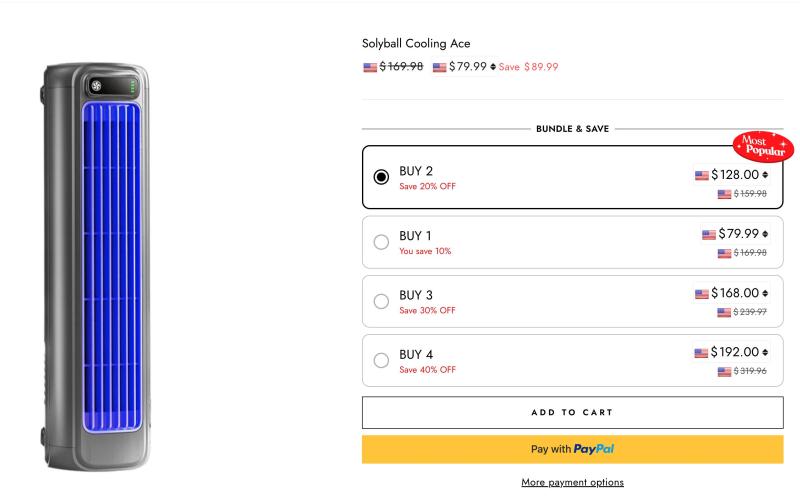
As temperatures rise, portable cooling gadgets often attract attention from consumers looking for affordable alternatives to traditional air conditioning systems. One product that has recently gained visibility through online advertisements and social media promotions is the Solyball Cooling Ace. The product is marketed as a compact cooling solution for bedrooms, offices, dorm rooms, and workspaces, promising convenience, portability, and relief from hot weather.
However, after examining the product claims, website details, and similar products available online, several concerns emerge that shoppers may want to consider before making a purchase.
According to its marketing materials, Solyball Cooling Ace is a portable desktop cooling device available in both rechargeable and plug-in versions. Promotional content highlights features such as portability, lightweight construction, quiet operation, and powerful cooling performance.
The advertisements often present the device as an easy way to stay comfortable during summer without investing in a traditional air conditioner. While these claims may sound appealing, it is important to look closely at what the device actually offers.
One of the first concerns involves how the product is marketed.
Various promotional materials use phrases such as beat the heat, cooling companion, and refreshing breeze. These descriptions can create the impression that the device functions similarly to an air conditioner.
However, the available specifications suggest that Solyball Cooling Ace operates more like a standard desktop fan or basic personal air cooler. Such devices circulate air around the user but typically do not reduce the temperature of an entire room in the same way that a conventional air conditioning unit does.
Consumers expecting room-wide cooling performance may therefore want to carefully review the product specifications and marketing claims before purchasing.
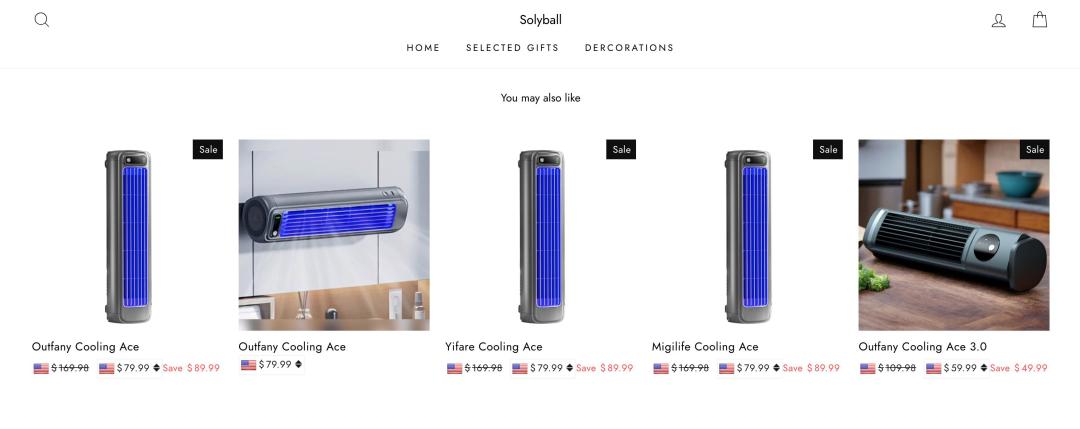
Another notable observation is that the same device appears to be marketed under numerous brand names across same or different websites.
Examples include:
The product images, design, and descriptions often look quite similar despite being sold under different names.
While rebranding itself is not necessarily unusual in e-commerce, frequent rebranding can make it difficult for consumers to track product history, compare reviews, or identify the original manufacturer.
This pattern has also been observed with various online stores promoting cooling gadgets during summer seasons.
When evaluating electronic products, clear specifications are important. The Solyball Cooling Ace website promotes features such as quiet operation and long lasting cooling performance. However, some important details found to be missing or unclear.
For example:
For a rechargeable cooling device, battery duration is often one of the most important factors for buyers. The absence of clearly stated operating times may leave consumers with unanswered questions.
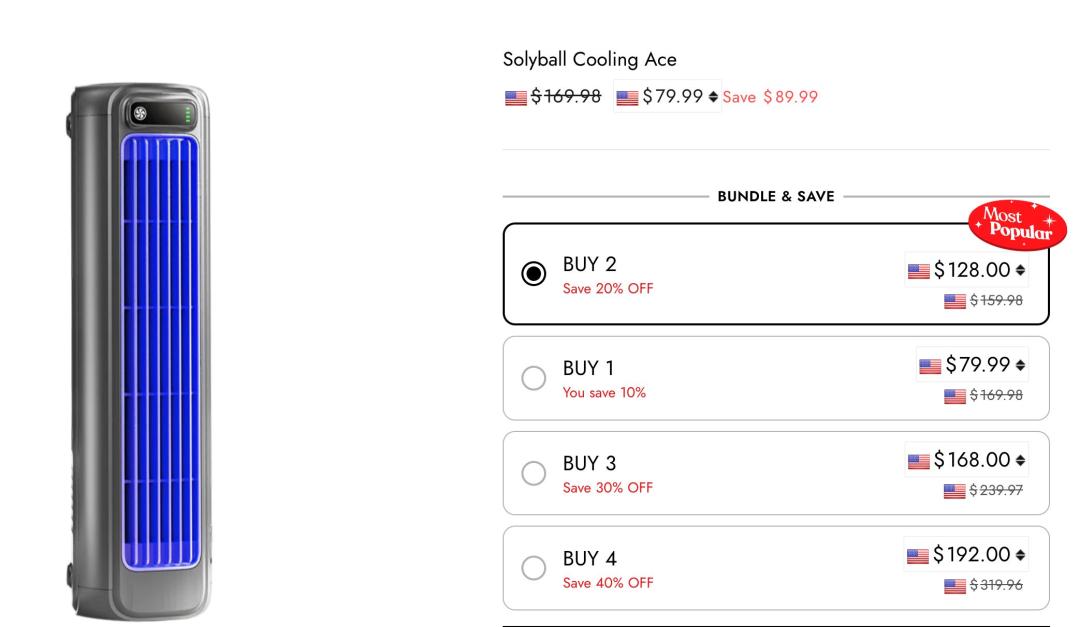
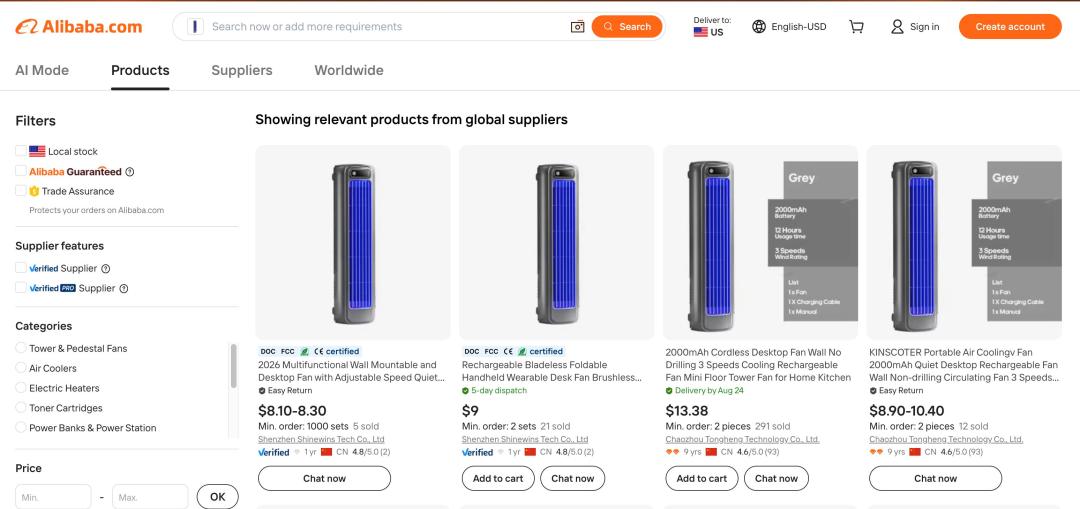
Pricing is another point worth paying attention to. The Solyball Cooling Ace is often promoted with big discount offers to create urgency. However, when we compare similar products on marketplaces like Alibaba, we can see that almost the same cooling devices are sold at much lower prices than the discounted price for Solyball Cooling Ace. This difference may make shoppers question the real value of the offer. So, it is a good idea for buyers to compare both features and prices before deciding whether the discount is actually real.
Beyond the product itself, several issues were identified on the website selling Solyball Cooling Ace.
References to Other Website Names:
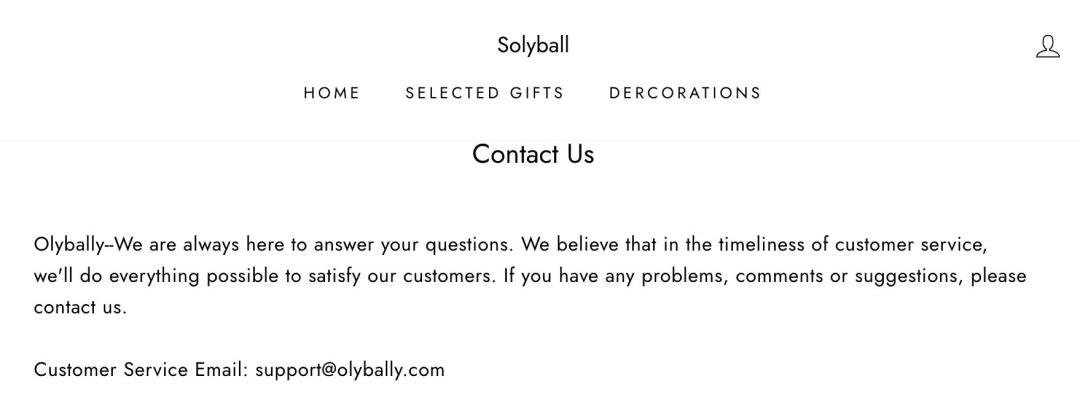
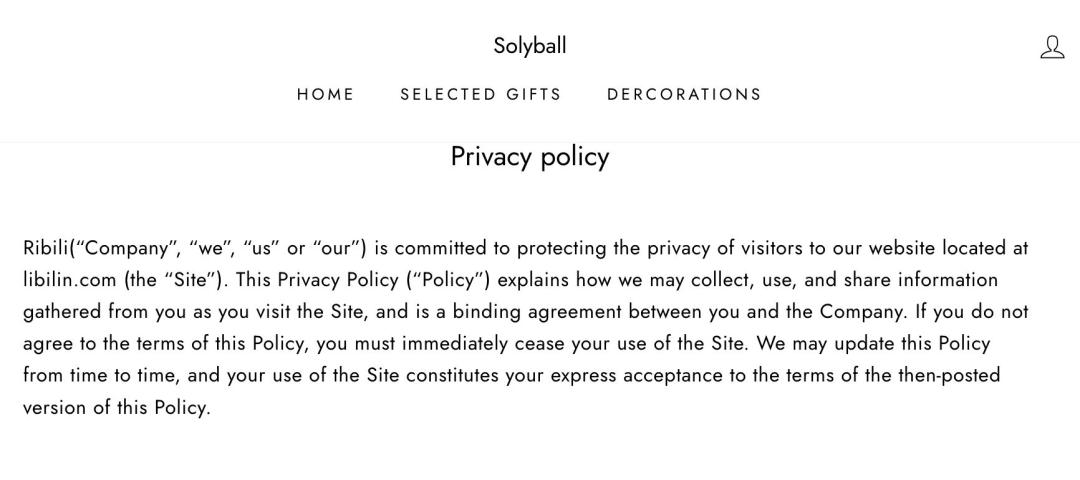
Certain pages, including policy and contact sections, contain references to other website names such as Olybally and Ribili instead of consistently referring to the website name or domain, which is Solyball.
This may indicate that content has been copied from other stores or that website templates have been reused without being fully updated. Established websites generally maintain consistent branding throughout their policies and customer support pages.
Social Media Links Lead Elsewhere:
Another unusual finding involves the site's social media icons. Rather than directing visitors to company’s official social media pages, the icons reportedly lead to Shopify-related pages.
Since Shopify is an e-commerce platform used by many online stores, this may suggest that the default links were never replaced with the store's own social media profiles. Hence, professionally managed stores typically update these links or remove them entirely if no social media presence exists.
Similarities With Other Problematic Websites:
The site's design elements, content structure, and overall presentation also appear similar to various websites that have previously generated customer complaints.
Template based website designs are common throughout e-commerce, but repeated similarities across multiple stores can sometimes make it difficult for consumers to distinguish between independent businesses.
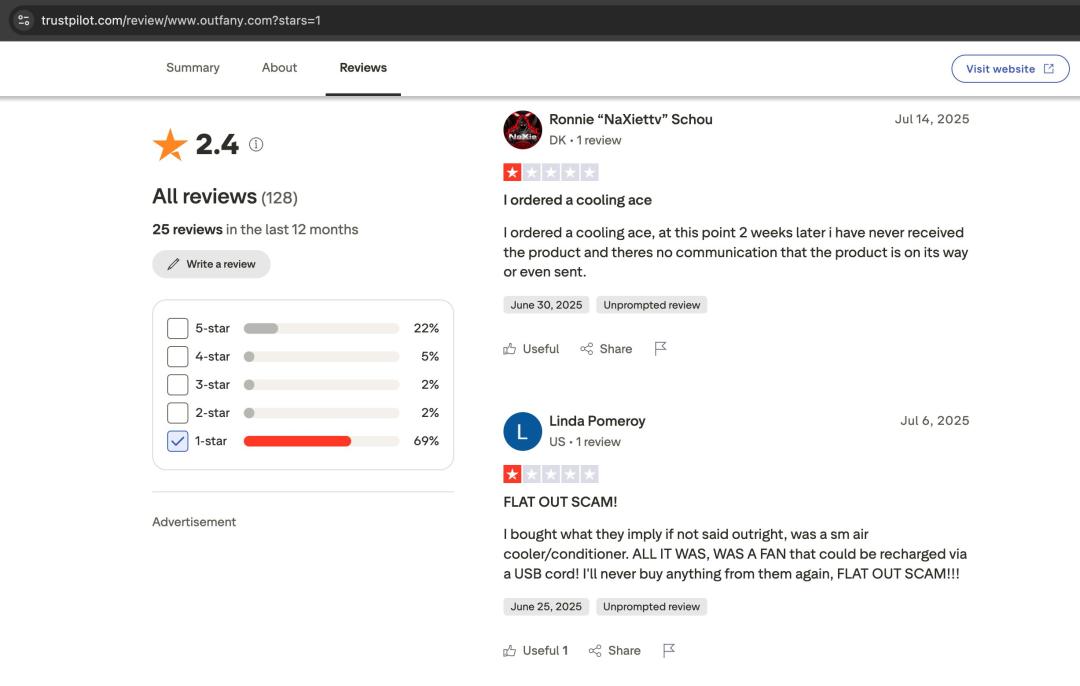
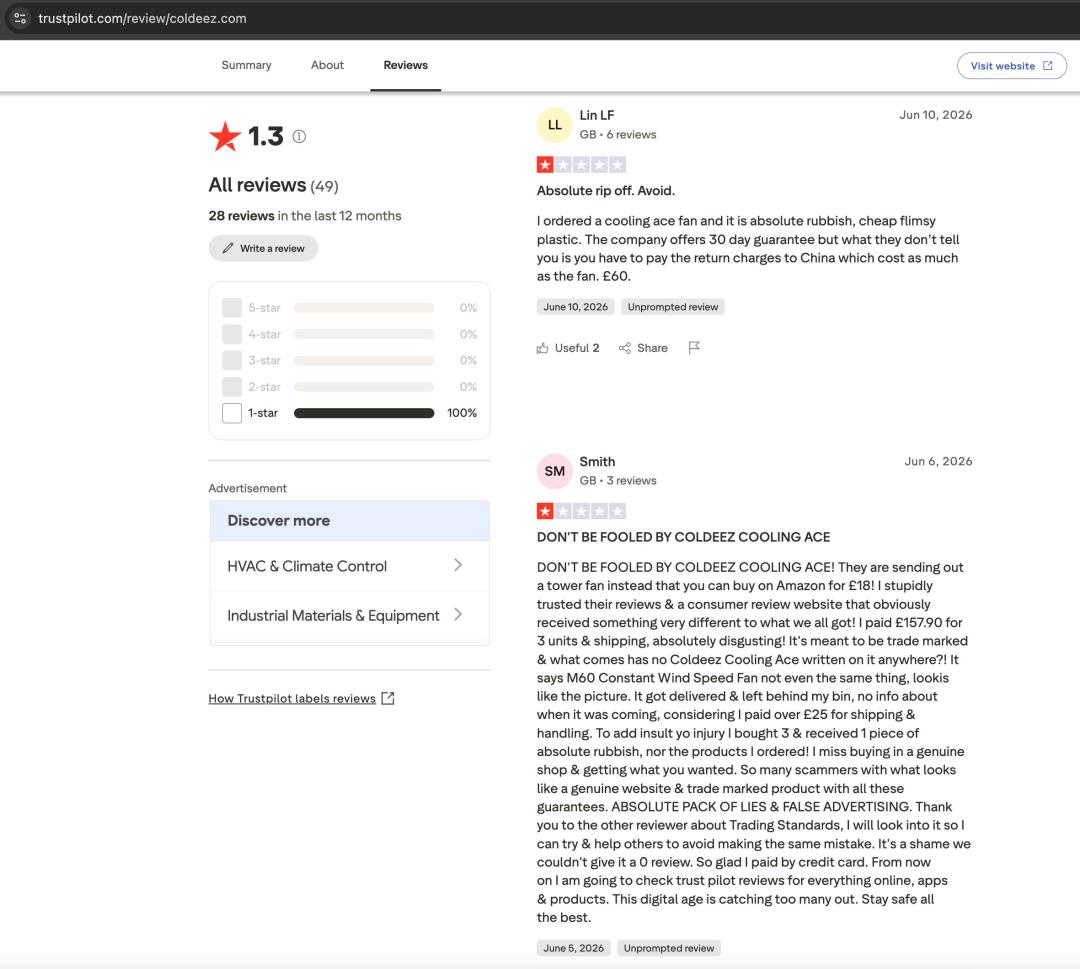
A further concern involves the broader category of cooling products that appear similar to Solyball Cooling Ace. Various versions of these devices sold under different names like Outfany Cooling Ace & Coldeez Cooling Ace have received complaints on consumer review platforms like Trustpilot. Common concerns reported by buyers include:
Since many of these products share nearly identical designs and promotional materials, prospective buyers may wish to carefully evaluate customer experiences before placing an order.
Solyball Cooling Ace appears to be a compact personal cooling device rather than a replacement for a traditional air conditioner. While buyers may receive a functioning fan-like product, several factors raise questions about the marketing approach and overall value proposition.
Based on our analysis, consumers should approach Solyball Cooling Ace with caution. The product's advertising may create expectations that are not fully supported by the available specifications, making it important for shoppers to carefully review all details before making a purchase decision.
This article has been written by a Scam Fighter Contributor, De-Reviews.com Team. If you believe the article above contains inaccuracies or needs to include relevant information, please contact ScamAdviser.com using this form.
De-Reviews.com Team is a group of scam researchers, editors, and online safety advocates dedicated to exposing online fraud and helping consumers stay safe online. The team has been investigating scams, fraudulent websites, phishing campaigns, and other online threats since 2014. Read the Full Author Profile
