
It’s a clever trap because it plays on our desire to "just get it over with" for the price of a cup of coffee. Between the clean AI-written text and the fake legal threats, it’s honestly getting harder to tell what’s real without taking a second to breathe and check the official site first.
In a Nutshell
The Federal Trade Commission reported in May 2026 that government imposter scams surged by 40%, driven primarily by a massive wave of fake toll payment texts. You receive a message claiming you owe $4.35 to a familiar agency like EZ-Pass, SunPass, or FasTrak. The text warns of late fees, includes a direct link to clear the balance, and you almost tap it.
Fraudsters send you a message demanding a small, urgent payment to avoid massive penalties, tricking you into handing over your credit card details on a fake website. They ask for an amount between $3 and $8—a figure carefully chosen because it feels too minor to question. Once you tap the link, a fraudulent payment page harvests your financial data and personal information.
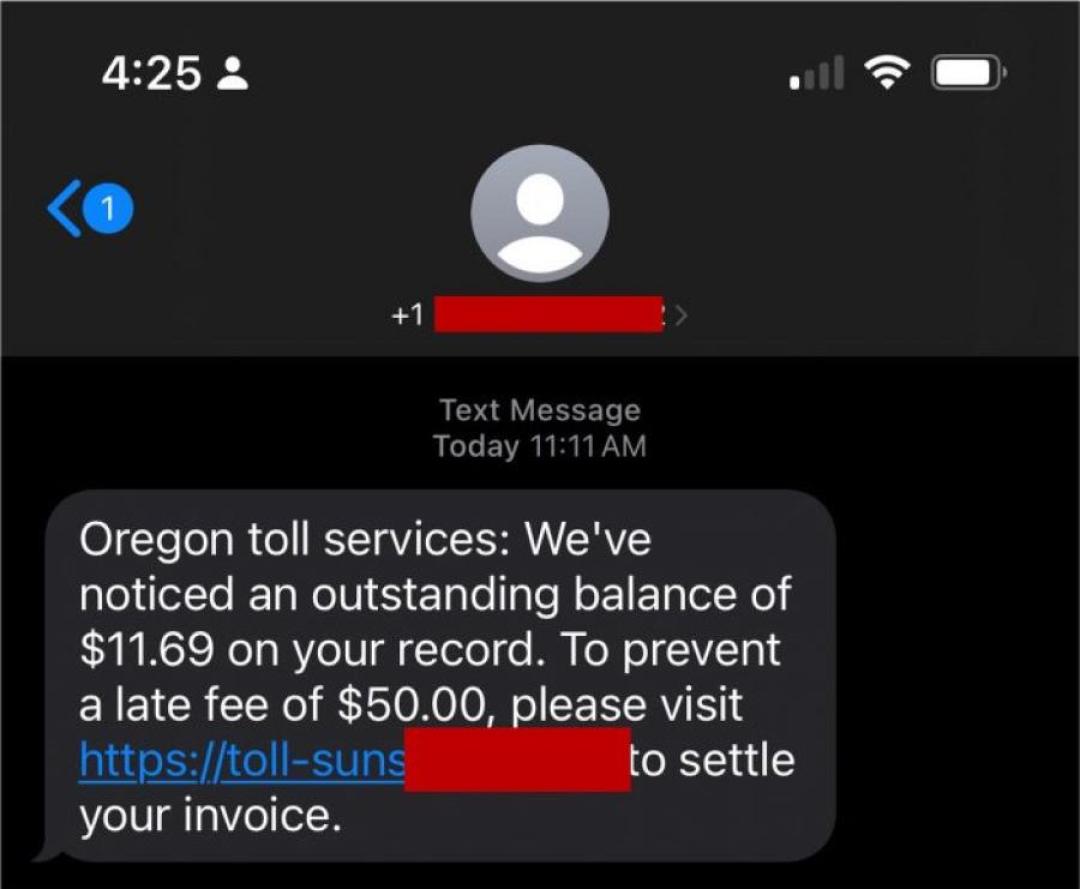
Scammers use AI tools to eliminate grammatical errors and pull real details from previous data breaches to personalize the message. The era of spotting a smishing scam 2026 style (a scam carried out via SMS text message) by looking for typos is over. Today's toll road fraud texts read exactly like professional customer service alerts, sometimes including your actual name or partial license plate number. Some even tell you to "Reply Y" to receive the link, a tactic designed to bypass smartphone spam filters and make the interaction feel official.
Criminals escalate the threat by sending an image of a fake "Notice of Civil Infraction Hearing" from a district court. The Michigan Attorney General flagged this new fake civil infraction text tactic in March 2026. The text orders you to appear in person or pay a penalty immediately via an included QR code. This legal language triggers a fear response, pushing you to scan the code and land on a convincing fake government portal.
The fake payment page immediately collects your credit card number, billing address, security code, and sometimes your Social Security Number under the guise of "identity verification." If the website fails to steal enough data, the trap moves offline. You might see a prompt to call a support number, where a fake toll authority agent pressures you into authorizing a bank transfer or installing remote-access software on your phone.
Paying the $4 charge confirms to the scammers that your phone number is active and your card is valid. The payment guarantees further contact, more fake outstanding balances, and larger unauthorized charges. You handed them an open door to commit full-scale card-not-present fraud, requiring you to navigate the chargeback process with your bank to get your stolen funds back.
You can spot a toll smishing trap by looking for tiny fee demands paired with extreme threats. Check for these exact warning signs:
You find out the truth by closing the text message entirely and navigating directly to your toll system's official website. Search for TxTag, I-PASS, or your local agency independently and log into your account to check your balance. If you need to call them, dial the number listed on their verified website. Real toll agencies will never demand payment by gift card, wire transfer, or cryptocurrency.
You must immediately contact your bank to cancel the compromised credit card and request a replacement. Follow these exact recovery steps:
ScamAdviser toll scam tools expose fake toll systems and fraudulent court payment portals by analyzing the website's technical background. Before entering any payment information on a site you opened from a text message, paste the URL into our search bar. We check the domain age, server location, and ownership records. A site that looks official takes seconds to verify, protecting your financial details from an invisible thief.
The tiny $4 toll demand is the trap itself, engineered specifically because it is too small to trigger real suspicion and too easy to pay without thinking. Criminals know exactly how to bypass your financial defenses by keeping the initial price low and the threat level high.
Developing a strict verification habit—navigating directly to the agency instead of clicking a provided link—protects you from the fastest-growing imposter fraud in America. Your toll system will never text you a link and demand you act immediately. That urgency is manufactured, so slow down, verify your balance independently, and report the message to the FTC.
They don't want a four-dollar toll payment — they want the credit card you use to pay it.
Frequently Asked Questions
Can I get my money back if I paid a fake toll text?
You can usually recover funds by immediately calling your bank to dispute the charge and canceling the compromised credit card.
Why did I receive a SunPass text when I live in a state without toll roads?
Scammers blast these texts to millions of random phone numbers simultaneously, hoping to catch drivers who happen to use that specific system.
Will my license plate actually be suspended if I ignore a toll text?
Real toll agencies send official letters by mail before taking punitive action against your vehicle registration.
How do criminals know my real name in a toll text message?
Fraudsters buy massive databases of leaked consumer information on the dark web and use automated software to match your phone number with your name.
Adam Collins is a cybersecurity researcher at ScamAdviser who operates under a pseudonym for privacy and security. With over four years on the digital frontlines, he specialises in translating complex threats into actionable advice. His mission: exposing red flags so you can navigate the web with confidence.
