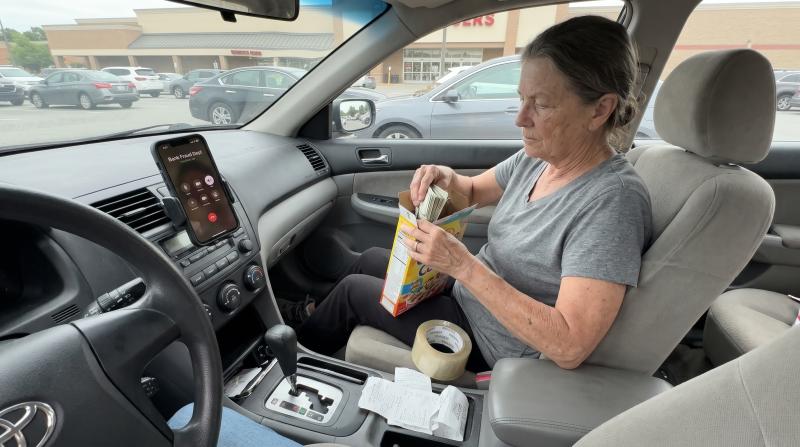
Three boxes of cereal. One roll of tape. Thousands of dollars in cash. And a stranger waiting in a store parking lot.
It sounds like an absurd shopping list, but it is the premise of a brazen fraud pattern dubbed the "cereal box scam" by the Clay County Sheriff’s Office in Florida. Detectives have already documented at least five local cases, as reported by News4JAX reporter Caleb Yauger, with each incident costing victims thousands of dollars.
It Starts With a Call From "Your Bank"
The scheme opens with an incoming call from someone posing as an investigator in a financial institution's fraud department. To bypass suspicion, scammers frequently initiate contact over FaceTime.
According to Clay County Detective Michael Antonini, FaceTime displays an associated email address containing the bank’s official branding or name directly on the screen. To an unsuspecting customer, the call looks legitimate, creating immediate compliance.
Once trust is established, psychological coercion begins:
- Scammers insist the victim remain on the line indefinitely, claiming disconnecting will compromise their accounts or trigger severe penalties.
- The victim is instructed to proceed to their local branch to withdraw thousands of dollars in cash to "protect" their assets or assist in an internal sting.
- If a bank teller inquires about the sizable withdrawal, the scammer coaches the customer to claim the funds are for home renovations or major family purchases—deliberately circumventing tellers trained to detect fraud.
Cereal, Tape, and an Unsuspecting Courier
After leaving the bank branch with the cash, the victim is instructed to drive to a retail store and purchase three specific cereal boxes along with packaging tape.
Under continuous phone instructions, the victim opens one box, packs the currency inside, tapes the carton shut, and returns to their vehicle.
Meanwhile, the scammer books a courier—frequently an unwitting rideshare driver (such as Uber Connect) hired under false pretenses—to rendezvous at the store parking lot. The victim hands the sealed box through a car window, the driver pulls away, and the stolen funds vanish into the scam syndicate's network.
Why the Tactic Works
While stashing cash inside grocery products seems extreme in hindsight, high-pressure phone fraud systematically disables rational decision-making:
- Continuous Line Keeping: Holding the target on the phone prevents them from contacting relatives, checking their banking app independently, or conferring with branch managers.
- Effective Camouflage: A taped cereal box looks like standard groceries. It avoids the attention that exchanging envelopes or bank bags in broad daylight would draw from passersby.
- Layered Insulation: Scammers use on-demand couriers as cut-outs, ensuring the mastermind never steps foot in the state while leaving the delivery driver unaware of the illicit cargo.
- This scheme mirrors a broader national trend where impersonators orchestrate in-person pickups using gig-economy couriers to collect cash, gold bullion, and debit cards directly from consumers.
Major Red Flags in The "Cereal Box Scam"
- Demands to withdraw cash to "save" your account: Legitimate banks never instruct account holders to withdraw physical currency to resolve security incidents.
- Commands to remain on the line: Any caller who forbids you from hanging up to verify their credentials is an impostor.
- Teller coaching: Legitimate financial institutions will never instruct you to conceal withdrawal reasons from branch staff.
- Physical handoffs: No bank, federal agency, or law enforcement department will ever send a driver or courier to retrieve cash or property from a parking lot.
Immediate Steps to Take
If you receive a suspicious call regarding account irregularities:
- Hang up immediately. Do not follow prompts or tap on-screen callback links.
- Verify independently: Call your bank using only the official phone number listed on the reverse of your payment card or official statement, preferably using a different telephone.
- Notify law enforcement: File a report with local detectives immediately. Agencies like the Clay County Sheriff’s Office maintain dedicated fraud units actively issuing subpoenas and tracing digital communication channels.
- Before downloading unfamiliar applications or proceeding through unverified security links sent by incoming callers, verify the web address using ScamAdviser's domain lookup tool, and alert elderly relatives about in-person courier collection scams before they are targeted.
Story first by News4JAX’s Caleb Yauger
Adam Collins is a cybersecurity researcher at ScamAdviser who operates under a pseudonym for privacy and security. With over four years on the digital frontlines, he specialises in translating complex threats into actionable advice. His mission: exposing red flags so you can navigate the web with confidence.
See Full Bio