
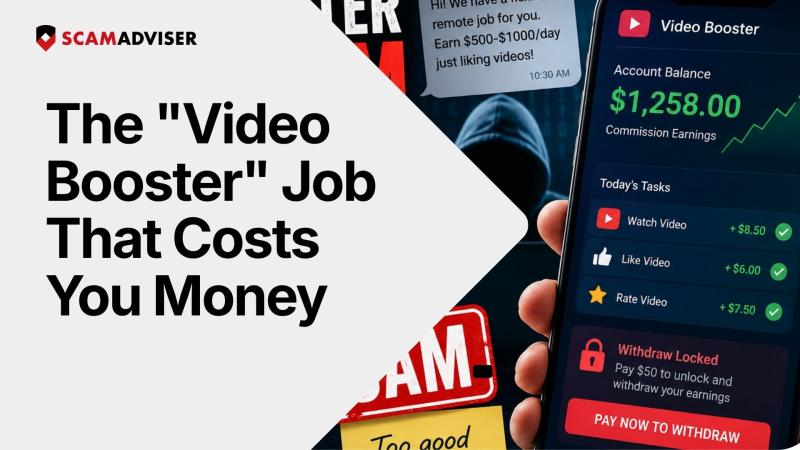
You receive a text promising hundreds of dollars a day for simply liking videos online. Within hours, your account appears to be earning real money — but when you try to cash out, you're told to pay a fee first. It's one of the fastest-growing job scams in the world, and thousands of victims are losing money to these fake "video booster" and task-based jobs every month.
In a Nutshell
Your phone buzzes with a message: "Flexible remote work, earn $500/day liking videos." You reply, and within minutes you are "hired" for the video booster job that will cost you money instead of earning you any. The recruiter sets you up on a professional-looking platform where you watch videos, submit ratings, and watch your commission balance climb — until it suddenly demands a fee to release your earnings.
Task scams are not new, but they are accelerating at a dangerous rate. Here is everything you need to know to avoid them and recover if you have already been targeted.
Suspicious about a job offer website? Check it before you hand over any personal details.
50,000+ employment fraud reports were filed with the BBB Scam Tracker over three years — with total reports doubling in 2025 compared to the year before.
Half of all employment scam reports in 2025 began with an unsolicited text message. You are no longer safe simply by avoiding shady job boards — the threat now comes directly to your personal inbox, often from a number that appears local.
Scammers buy lists of active phone numbers from data brokers and send thousands of automated messages simultaneously. The personalisation — referencing your first name, your city, your apparent interests — is automated and costs them almost nothing.
Scammers invest in building elaborate websites that simulate genuine work dashboards to manufacture credibility and anticipation. You log in, complete assigned tasks, and see real dollar amounts accumulate in your account balance. The deception succeeds because you can see tangible proof of your daily effort right on the screen.
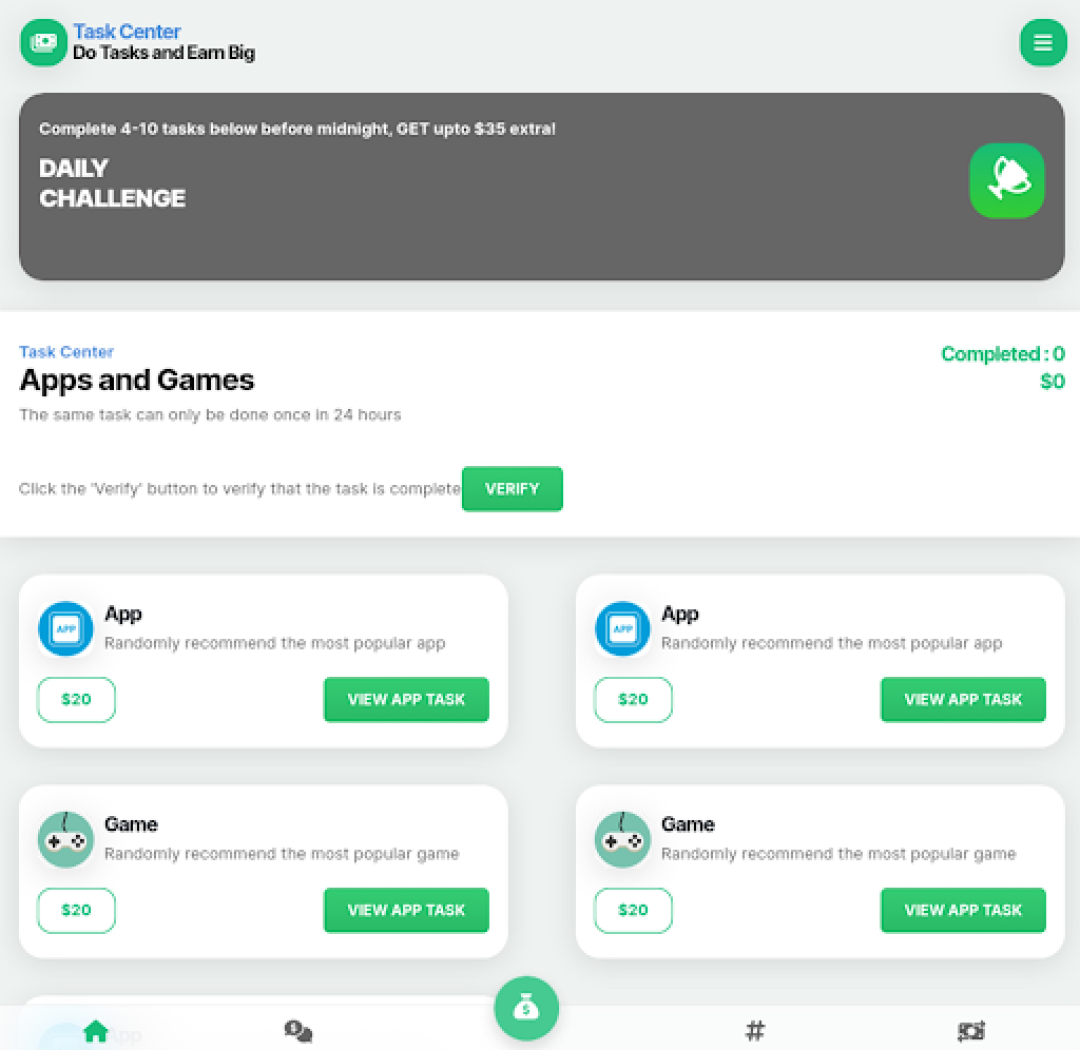
Many of these platforms also embed fake group chat feeds directly into the dashboard, populated by bots posting constant updates about successful withdrawals of thousands of dollars. This manufactured social proof suppresses your doubts and pushes you toward the next step.
"The scammers control the website's code and manually type in fake numbers to convince you that your work is generating real income."
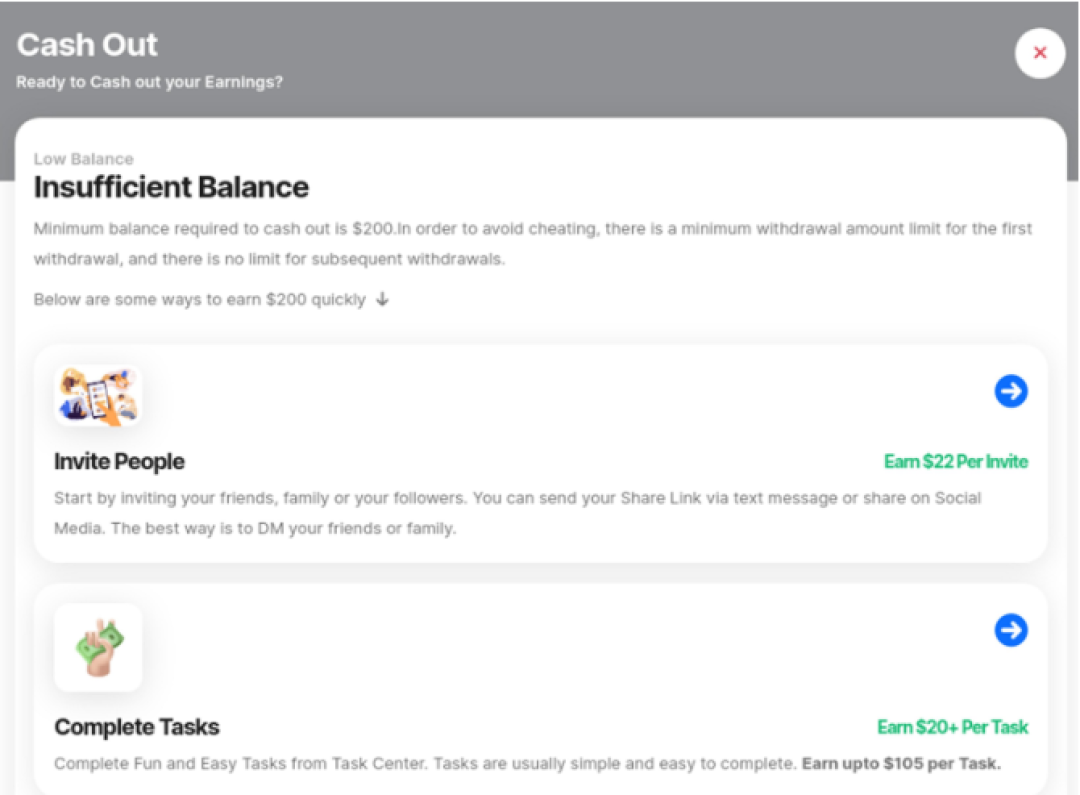
When you attempt to withdraw your balance, the system suddenly demands a fee to "unlock" a payment tier. The BBB recorded over 600 confirmed reports of these specific task-based traps. Victims pay the fee because they believe they are days away from a large, guaranteed payout.
The longer you spend completing tasks, the harder it is to walk away. This is intentional — it is a psychological technique called the sunk cost fallacy. You have invested hours into daily work, and abandoning the job feels like throwing away your own paycheck.
Scammers typically start with a small fee — perhaps $30 — to test compliance. Once you pay the first fee, the platform generates a new error: a tax calculation issue, a verification deposit, a VIP tier requirement. The median financial loss per victim reaches $1,000 before they recognise the commissions were never real.
Fraudsters steal the names, profile photos, and job titles of real HR managers and recruiters from LinkedIn. When they message you, they claim to represent major marketing firms or global tech companies. You search their name, find a legitimate profile, and assume you are talking to the same professional.
They reinforce this by sending professionally formatted employment contracts complete with forged corporate letterheads and digital signatures. An official-looking document detailing salary, benefits, and daily responsibilities feels secure — which is precisely the point. They borrow the credibility of a real brand to bypass your initial scepticism.
Remember: Legitimate employers pay you for your time. They never ask you to buy your own job.
Take the recruiter's name and the company they claim to represent, then call the main corporate phone number listed on that company's official website — not the number provided in the text or WhatsApp message. Ask HR directly whether this person is employed there and whether the role is real.
Next, run the URL of the task dashboard through ScamAdviser's domain checker. A legitimate company running global operations will have an established, aged domain. A newly registered domain — days or weeks old — is a definitive warning sign.
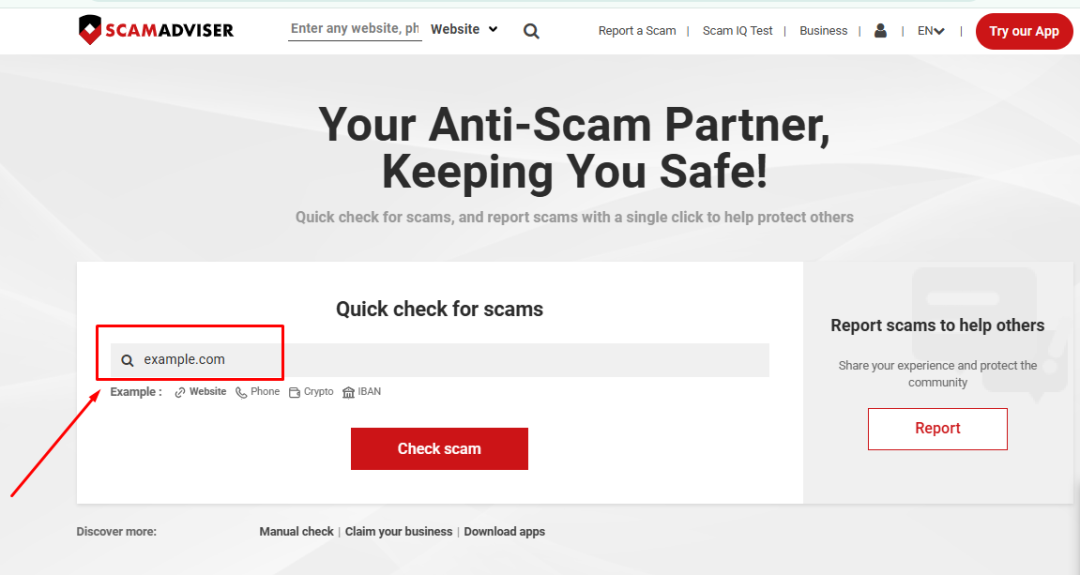
You can also search the website URL alongside the word "scam" or "review" on Google to surface independent user reports before you engage further.
If you sent cryptocurrency or wired funds, contact your bank's fraud department immediately to dispute the charges. Speed is critical — the longer you wait, the less likely a reversal becomes.
Then file reports with the following:
Feeling embarrassed is exactly what scammers rely on to keep victims silent. These are engineered psychological traps — falling for one is not a reflection of your intelligence. Reporting it protects the next person.
Frequently Asked Questions
Can I get my money back from a task-based job scam?
You may be able to recover funds if you paid by credit card and file a chargeback immediately. Wire transfers and cryptocurrency payments are extremely difficult to reverse. Contact your bank without delay and file with the FBI IC3 and FTC.
Why does the task platform show I have a positive balance?
Scammers control the platform's code entirely and manually input fake figures. The balance you see exists only as numbers on a screen — there is no real money held on your behalf.
How did scammers get my phone number?
Cybercriminals purchase lists of active phone numbers from data brokers — companies that collect and sell personal data — and use automated tools to send thousands of messages simultaneously. Your number may also have been exposed in a corporate data breach.
Should I confront the fake recruiter?
No. Block their number immediately without replying further. Engaging confirms your number is active and may invite escalating pressure tactics or secondary scam attempts. Report the number to your carrier and to the BBB Scam Tracker.
Adam Collins is a cybersecurity researcher at ScamAdviser who operates under a pseudonym for privacy and security. With over four years on the digital frontlines, he specialises in translating complex threats into actionable advice. His mission: exposing red flags so you can navigate the web with confidence.
