
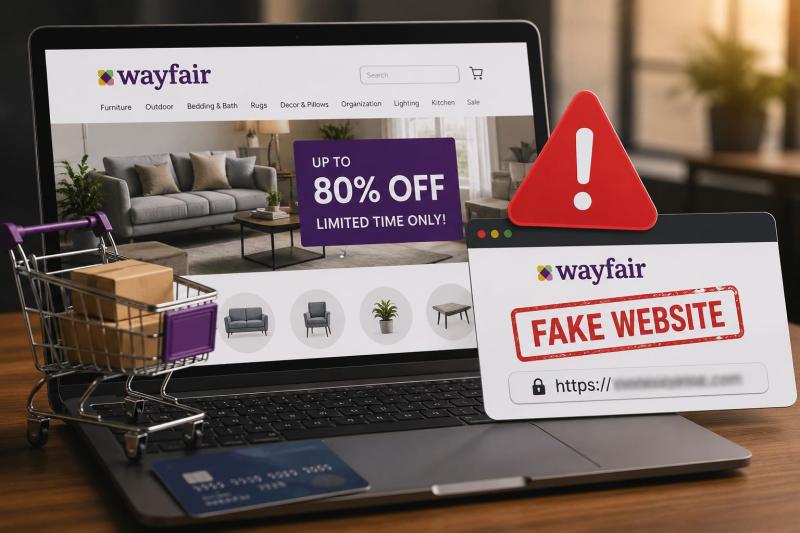
Online shopping has changed the way people buy furniture, home decorations, and everyday products. With just a few clicks, shoppers can find thousands of items and have them delivered to their homes. However, this convenience has also created new opportunities for scammers. One growing problem is the rise of fake websites that pretend to be popular online stores. Wayfair, a well known online retailer, has become a target of these scams.
While Wayfair itself is a legitimate company, scammers are creating cloned websites that copy its branding, product images, and website design to trick customers. These fake websites often advertise unbelievable deals and huge discounts. Their main goal is not to deliver products but to steal money, collect personal information, and capture payment details from shoppers.
Scammers use several techniques to make fake websites look trustworthy. They carefully copy elements from the real Wayfair website and combine them with fake promotions to attract buyers.
Many fake Wayfair websites are promoted through paid advertisements on social media platforms such as Facebook and Instagram. These ads often show expensive products like sofas, outdoor furniture, gazebos, patio sets, and tool chests at extremely low prices. They may claim that the company is running a clearance sale, warehouse closing sale, liquidation sale, or going out of business sale.
Some advertisements offer discounts of 80% or even higher. These offers are designed to create excitement and make people feel they need to buy quickly before the deal disappears.
To seem genuine, scammers often create websites that look very similar to the real Wayfair website.
They may copy:
Because the fake website looks familiar, shoppers may not immediately notice that they are on a different website.
Many cloned websites use pressure tactics to encourage quick purchases.
Common tricks include:
These tactics are designed to stop customers from taking time to check whether the website is legitimate.
Another common trick is using website addresses that look similar to the real store. Scammers register domains that contain words related to Wayfair or shopping but are not connected to the official company. They may use unusual domain extensions such as:
Some examples of suspicious Wayfair related domains reported in connection with these scams include names such as Wayfairuy.com, Wayfairworldsaleinfo.com and Wayfarhouse.shop. A website address that looks slightly different from the official Wayfair domain should always be checked carefully before making a purchase.
Fake shopping websites often leave behind clues that can help shoppers identify them and those include:
Prices That Are Too Good to Be True:
One of the biggest warning signs is an unrealistic price. A premium sofa, expensive patio furniture, or high quality tools being sold for less than a normal retail price may look like a fantastic deal. However, extremely low prices are often used to attract victims. If a deal seems impossible, take time to verify the website before entering payment information.
Suspicious Website Addresses:
Always check the address bar before buying. A professional looking website does not automatically mean it is real. Scammers can copy the design of legitimate stores, but they cannot use the official domain unless they control it. Make sure the website address matches the official Wayfair website before placing an order.
Broken Pages and Missing Information:
Fake websites are often created quickly and may contain mistakes.
Be careful if you notice:
Legitimate online stores usually provide clear information about their company, policies, and customer support.
Suspicious Payment Pages:
Fake websites may use unusual payment systems or checkout pages that look different from normal online shopping platforms. Some may pressure customers to use payment methods that provide little or no buyer protection. Before paying, check whether the payment process looks secure and whether you have options to dispute a transaction if something goes wrong.
The results can vary, but many victims face serious problems after placing an order.
Some customers:
In addition to losing money, shoppers may unknowingly provide scammers with their valuable personal information.
Fake websites may collect details such as:
This information can potentially be used for further fraud attempts.
If you believe you have entered your information on a fake Wayfair website, take action as soon as possible, such as:
Freeze Your Card:
Contact your bank or use your banking app to freeze the card used on the suspicious website. This can help prevent unauthorized transactions.
Contact Your Bank and Request a Chargeback:
Explain that you paid through a fraudulent website and ask whether you can dispute the payment. Many banks and payment providers have procedures to help customers with fraudulent transactions.
Replace Your Card:
If your card details were shared with a suspicious website, consider requesting a replacement card with a new number and security details. This can reduce the risk of future unauthorized charges.
Monitor Your Accounts:
Continue checking:
Look for unfamiliar transactions or signs that your information may have been misused.
A few simple steps can help you avoid fake online stores.
Remember, seeing HTTPS or a padlock symbol does not mean a website is trustworthy. HTTPS only protects the connection between your browser and the website. It does not confirm that the business behind the website is genuine.
Wayfair scams are a reminder that even trusted brands can be misused by online scammers. Fake websites can look surprisingly professional because they copy real company designs, product images, logos, and website layouts. However, behind these attractive offers are often websites created only to collect payments and personal information from unsuspecting shoppers.
The biggest warning signs are usually unrealistic discounts, suspicious website addresses, pressure to buy quickly, missing company information, and unusual payment processes. A website may look professional and even have HTTPS security, but these features alone do not prove that the store is genuine.
Before purchasing from any online store, always check the website address carefully, visit trusted retailers directly, and research unfamiliar websites before sharing payment details. If a deal appears far cheaper than normal market prices, it is worth taking extra time to verify the offer.
A few minutes of checking reviews, domain details, and website information can help prevent financial loss and protect your personal data from online scammers.
Author Information:
This article has been written by a Scam Fighter Contributor, De-Reviews.com Team. If you believe the article above contains inaccuracies or needs to include relevant information, please contact ScamAdviser.com using this form.
De-Reviews.com Team is a group of scam researchers, editors, and online safety advocates dedicated to exposing online fraud and helping consumers stay safe online. The team has been investigating scams, fraudulent websites, phishing campaigns, and other online threats since 2014. Read the Full Author Profile.
