
In a Nutshell
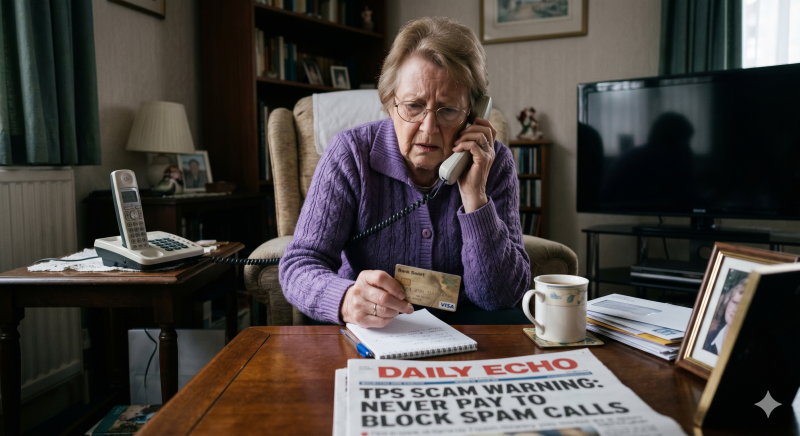
Reports of impersonation fraud have surged recently, with Report Fraud (the new national service replacing Action Fraud as of 2026) highlighting a sharp increase in scammers pretending to be government-backed agencies. You might receive a call from someone claiming to be from the Telephone Preference Service or a similar "Do Not Call" registry. They tell you your protection against spam calls has expired, but they can "renew" it for a small fee. If you provide your bank details, you aren't buying peace and quiet—you are handing your life savings to a criminal.
Scammers exploit your desire for privacy to gain access to your wallet. They target people who are already frustrated by constant telemarketing calls, making their "solution" feel like a relief. You need to know that the real Telephone Preference Service (TPS) never charges a fee and never calls you to ask for money.
The TPS scam is a form of telephone preference service fraud where criminals impersonate officials to steal your financial information. They cold-call you, often using "caller ID spoofing"—a technique that makes a fake number appear legitimate on your screen—to gain your trust. Once they have you on the line, they claim your name has been removed from the "Do Not Call" list or that a new "premium" version of the service is now required.
They use high-pressure tactics to convince you that your privacy is at risk unless you pay a small "registration fee" immediately. Because the fee is usually low, often ranging from £1.50 to £5, many people provide their card details without a second thought. Once the scammer has your card number, they don't just take the small fee; they use your data for identity theft or to drain your bank account entirely.
The Telephone Preference Service (TPS) is the official UK registry for people who do not want to receive unsolicited sales and marketing calls. It is a legal requirement for telemarketers to screen their lists against this registry before making calls. If you are on the list, companies are legally prohibited from calling you unless you have given them specific permission.
Registration with the TPS is permanent and completely free. You do not need to renew it every year, and you certainly do not need to pay for "extra" protection. Knowing this simple fact is the most effective way to stop a TPS registration scam in its tracks. If a caller mentions a "fee" or a "subscription," they are lying to you.
Scammers often use specific language to make their demands sound official. Listen for "limited spots" or "mandatory updates" as these are classic pressure phrases. A real government-sanctioned service will never threaten you or demand an immediate decision over the phone.
Another red flag is if the caller becomes aggressive or defensive when you ask how to find their official website. True TPS staff will always encourage you to visit the official portal at tpsonline.org.uk.
The only way to ensure you are registered is to use the official channels. You can register your landline or mobile number for free by:
Once you register, it takes approximately 28 days for the service to become fully effective. During this time, companies are updating their databases. If you continue to receive calls after this period, you can file a complaint through the real TPS website. They will never ask you for money to process this.
Install a call-blocking device or use the built-in "Silence Unknown Callers" feature on your smartphone. Remember, your bank and official government services will never call you out of the blue to ask for your PIN or passwords.
If you have shared your bank details:
The real Telephone Preference Service is free, permanent, and will never call you to ask for your bank details.
FAQs
What is the Telephone Preference Service (TPS)?
The TPS is the UK’s official "Do Not Call" registry that allows individuals to opt out of receiving unsolicited sales and marketing calls for free.
Why am I still getting calls if I register with the Telephone Preference Service?
The TPS cannot block scammers who ignore the law or international callers based outside the UK, and it does not stop companies you have previously given "opt-in" permission to contact you.
What happens if you call someone on the TPS?
Companies that call numbers registered on the TPS without prior consent are breaking the law and can be investigated and fined up to £500,000 by the Information Commissioner's Office (ICO).
Do you pay for the TPS?
No, the Telephone Preference Service is a 100% free service, and any person or company asking for a fee to register you is a scammer.
Adam Collins is a cybersecurity researcher at ScamAdviser who operates under a pseudonym for privacy and security. With over four years on the digital frontlines and 1,500+ days spent deconstructing thousands of fraud schemes, he specialises in translating complex threats into actionable advice. His mission: exposing red flags so you can navigate the web with confidence
