
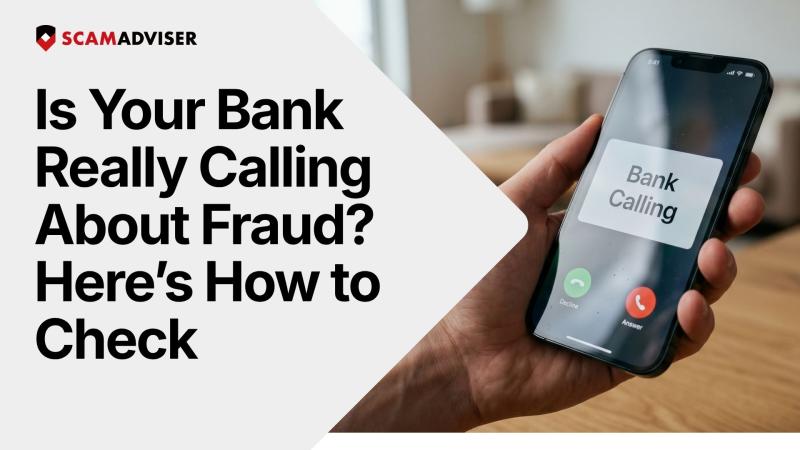
Your phone buzzes with your bank's name on the screen, and a polite representative warns you about unauthorized activity that requires immediate action. It feels incredibly real, but if a bank called you about fraud, you might actually be talking to the thief. This is a scam — even if the number looks identical to the one on your debit card.
In a Nutshell
You verify a bank fraud call by hanging up and dialing the official number on your card, because you cannot rely on caller ID. Criminals use a tactic called spoofing — making false information appear on your phone screen — combined with social engineering to manipulate you. They sound professional, they use banking scripts, and they rely on your panic to bypass your critical thinking.
Scammers use cheap internet calling software to type whatever name and number they want your phone screen to display. Your phone simply reads the data sent by the carrier, meaning it will lie to you if the incoming data is manipulated. Anyone with a few dollars and an internet connection can make their caller ID show "Chase Fraud Dept" or "Wells Fargo Support."
Criminals buy your data from dark web marketplaces after corporate data breaches expose your information. They already know your home address, the last four digits of your account, and your recent transaction history before they even dial your number. When they recite these details back to you, it creates a false sense of security that tricks you into lowering your guard.
A legitimate financial institution will never ask you to move your money to protect it. If you hear any of the following requests, you are talking to a scammer:
The call-back protocol means hanging up the phone immediately and dialing the official number on the back of your bank card yourself. This physically breaks the connection with the scammer and guarantees you are speaking to your actual bank. This single action stops almost all voice-phishing (vishing) scams instantly.
Your right to a refund depends entirely on exactly how the money left your account. Under US law, banks must refund unauthorized transactions — like when a hacker steals your login and drains your funds without your knowledge. However, if a scammer tricks you into authorizing the transfer yourself, the Consumer Financial Protection Bureau (CFPB) notes that banks are rarely required to cover the loss.
Zelle and wire transfers move cash instantly, and the transactions are almost impossible to reverse. Because you hit the "send" button yourself, banks treat these as authorized payments, shifting the liability entirely onto you. Once the money hits the scammer's account, they withdraw it immediately, leaving nothing for your bank to recover.
ScamAdviser helps you verify the legitimacy of any web address the caller asks you to visit. Scammers often direct victims to fake "secure portals" to log in or download software. You can paste the URL into ScamAdviser to check its trust score, domain age, and security certificate before you click anything.
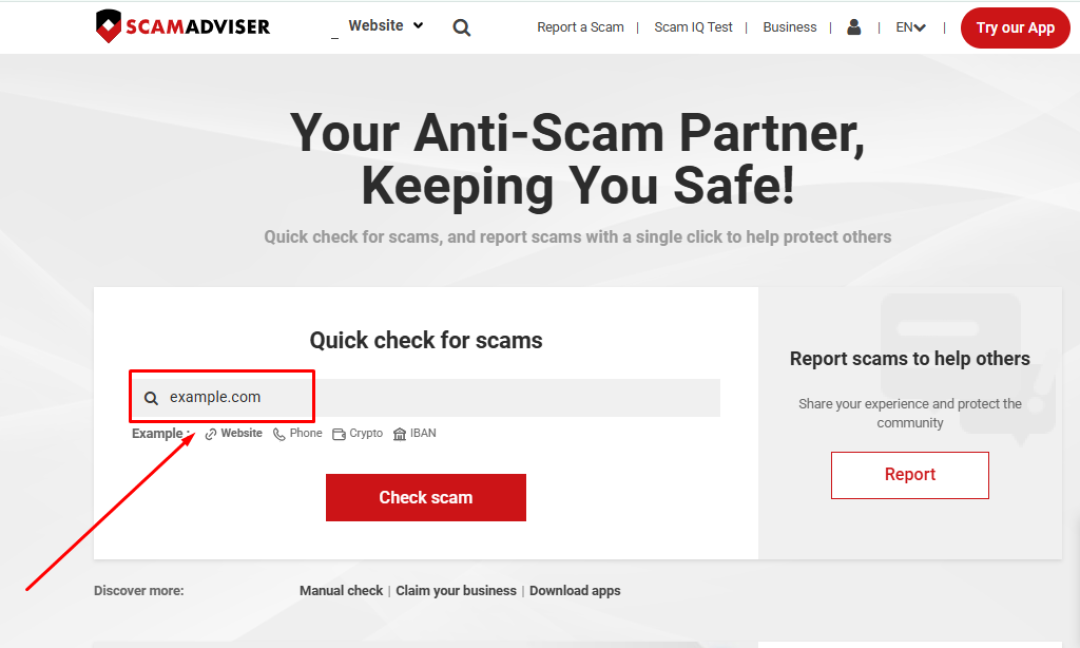
Number lookup tools provide limited help because spoofing allows scammers to hijack legitimate numbers. Searching the number might just confirm it belongs to your bank, which reinforces the scammer's lie. However, if the scammer forgets to spoof the number, searching it can quickly reveal fraud warnings from other targeted victims.
You must contact your bank's fraud department immediately using the number on your debit card to freeze your accounts. Tell them exactly what happened and request a reversal on any pending transfers. Next, change your online banking passwords and set up alerts to monitor your transactions closely for the next few months.
You should report the exact details of the call directly to the Federal Trade Commission (FTC) at ReportFraud.ftc.gov and the FBI's Internet Crime Complaint Center (IC3.gov). Providing the phone number, the specific script they used, and any accounts they tried to send money to helps authorities track the criminal network.
Your phone screen is not a source of truth. Scammers exploit your trust in caller ID and your fear of losing money to bypass your defenses. They manufacture an emergency so you act before you think.
The call-back protocol remains your absolute best defense against financial fraud. Hanging up the phone takes the power away from the scammer and puts you back in control.
If you didn't initiate the call, don't trust it.
Frequently Asked Questions
Can a scammer spoof my bank's actual fraud department number?
Yes, criminals use internet calling software to make your caller ID display the exact phone number printed on the back of your debit card.
Will I get my money back if I sent a scammer funds through Zelle?
Banks rarely refund Zelle transfers because you authorized the payment, which removes the bank's liability under current financial regulations.
Why did the scammer ask me for the code texted to my phone?
They already have your password and are trying to log in, but they need the one-time passcode sent to your device to bypass your two-factor authentication.
Should I confront the scammer if I realize they are faking the call?
No, simply hang up immediately to prevent them from recording your voice or gathering more information about your reactions.
Adam Collins is a cybersecurity researcher at ScamAdviser who operates under a pseudonym for privacy and security. With over four years on the digital frontlines, he specialises in translating complex threats into actionable advice. His mission: exposing red flags so you can navigate the web with confidence.
